
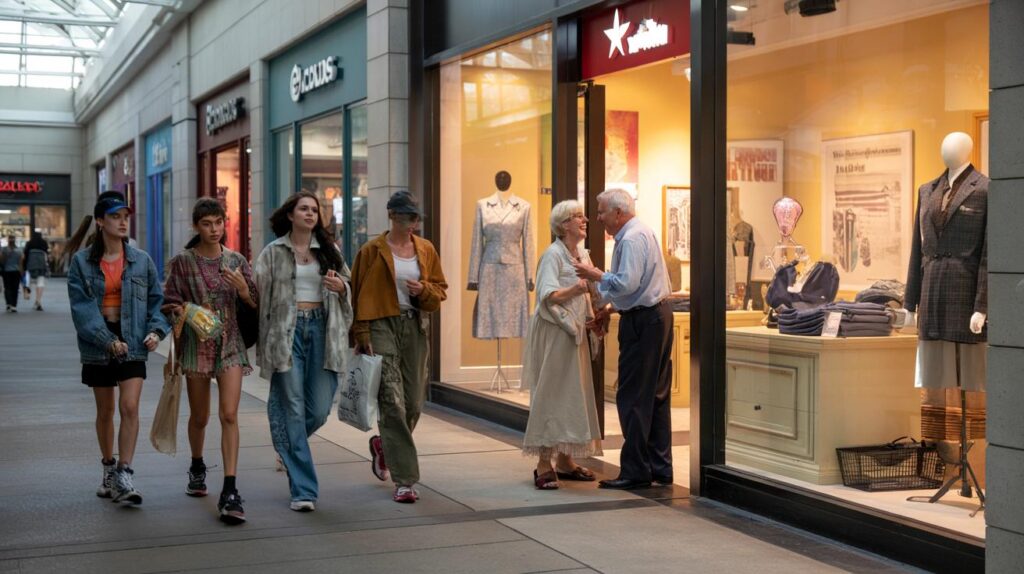
Queues thin, baskets lighten, yet loyalties harden. Two generations now visit the same brands with sharply different motives and expectations.
Retail is splitting along age lines. Over‑55s still prize face‑to‑face service, store credit and sturdy brands. Under‑25s choose speed, values and aesthetics they can filter, favourite and return from the sofa. The gap shows up most starkly at ten familiar chains that older shoppers defend and younger ones sidestep.
What’s driving the split
Shopping used to be a Saturday routine. Now it’s an algorithm. Baby boomers value touch, fit and trust built over years. Gen Z values time, transparency and identity built on social feeds. Where one group enjoys browsing, the other optimises.
Older customers still equate the shop with service. Younger customers equate the shop with friction.
Price matters to both, but in different ways. Boomers like coupons, loyalty points and seasonal sales. Gen Z scans prices across tabs, waits for a drop, or buys second‑hand to stretch a budget. Ethical stances and brand tone also matter more to under‑25s than store heritage.
The ten chains boomers still favour—and why Gen Z won’t step inside
Macy’s and JCPenney
For many over‑55s, the American department store still means one trip, many needs met, and a trusted card in the purse. It promises breadth, tailoring and a steady calendar of discounts. Gen Z reads the same floor as clutter, mixed quality and scarce curation. They’d rather buy two items that match their style than sift fifty rails that don’t.
Sears
Once a byword for appliances, tools and reliability, Sears built homes and habits. Younger shoppers see a brand trapped in amber. Big boxes of white goods now feel easier online, with reviews, delivery slots and installation add‑ons set in a few taps. The nostalgia that fuels loyalty for boomers signals stagnation to students and first‑jobbers.
Kay Jewelers and Zales
Boomers often pick rings in person, with a loupe, a lightbox and a warranty talk. Gen Z questions the mall mark‑up, asks about provenance, and happily compares lab‑grown stones and custom designs on their phone. Romance has shifted from the counter to the DMs of an independent maker.
Payless ShoeSource
Value, sizes for all, and a quick family shop kept Payless relevant for decades. Today’s younger buyer treats footwear as identity, not just kit. They save for a drop, trade pairs, and care how a brand treats people and materials. A store built for everyone now feels like it speaks to no one in particular.
Pier 1 Imports
Global‑themed décor once brought colour to suburbia. For Gen Z, mass‑produced “exotic” style rings false. They lean to thrifted teak, hand‑thrown mugs, or a Facebook Marketplace bargain they upcycle. Authenticity now means patina, provenance and repairability, not a label that says “world market”.
Bed Bath & Beyond
Endless aisles and blue coupons made household kitting an event. Younger shoppers see cognitive overload and 24 versions of the same kettle. They pick a direct‑to‑consumer brand with a clean spec page, good reviews and painless returns. Efficiency beats abundance.
Dillard’s
Crisp shirts, occasionwear and careful merchandising still reassure older customers. The vibe reads formal and safe. Gen Z favours relaxed fits, gender‑fluid options and small labels with a story. Even the lighting and soundtrack can signal “not for me”.
Hobby Lobby
For boomers, aisles of frames and faux florals spark weekend projects. Many younger creatives buy from makers online, use digital tools, or learn from short videos. Politics around the brand also turns some away. Inspiration, for them, lives on a screen, not under strip lights.
Talbots
Tailored, tidy and reliable, Talbots still delivers a certain polish. Gen Z reads the look as uniform rather than expression. They want play, fluidity and mix‑and‑match pieces sourced from resale apps, streetwear drops and small studios.
Staples and Office Depot
Fresh stationery smells like productivity to older workers. For students born into cloud storage, the paper aisle looks like clutter. Notes live on tablets; schedules sync automatically; signatures are digital. A tidy desk has become a tidy home screen.
How behaviour differs by generation
| Aspect | Boomers | Gen Z |
|---|---|---|
| Main channel | In‑store, phone support | Mobile‑first, social‑led |
| Loyalty driver | Service, familiarity, coupons | Values, aesthetic fit, peer proof |
| Discovery | Windows, catalogues, TV | TikTok, Instagram, creators |
| Value lens | Price per item, warranties | Cost per wear, resale potential |
| Returns | Counter help and receipts | Prepaid labels, lockers |
For many under‑25s, a brand with a clear stance and a clean feed beats a big sign over a mall entrance.
What would tempt Gen Z back
- Fewer SKUs, more curation: show six strong options, not sixty middling variants.
- Radical transparency: materials, labour, carbon and pricing logic visible at shelf and on mobile.
- Seamless phygital: reserve online, try in 10 minutes, pay without queuing, return anywhere.
- Pre‑loved built in: buy‑back, repair desks and authenticated resale next to new stock.
- Creator partnerships: in‑store edits with local designers and credible micro‑influencers.
Money matters: where each approach saves you
Sticking with these chains can still be smart if you play to their strengths. Department stores run deep end‑of‑season markdowns on quality basics. Jewellery chains sometimes match online prices if you negotiate and skip financing. Office supply stores offer generous student and educator discounts when asked at the till.
Gen Z’s route also trims costs. Second‑hand platforms cut wardrobe spend while boosting variety. Lab‑grown stones slash ring budgets without sacrificing sparkle. Direct‑to‑consumer homeware avoids middlemen and ships with simple returns, which reduces “drawer of unused gadgets” risk.
The wider ripple for retail
The shake‑out is already visible. Chains that depended on catalogue habits have shrunk or shuttered. Survivors are testing smaller formats, darker stores for rapid fulfilment, and concessions inside supermarkets. The winners bridge habits: tactile try‑ons with digital checkout, in‑app booking for in‑store services, and honest sustainability claims backed by repair policies.
For families split across generations, one weekend can cover both needs. Plan a shortlist on a phone, then visit for sizing and service. Use price‑match guarantees in person, and stack them with loyalty. When you buy big‑ticket home goods, add cost‑per‑use to your maths; when you buy trend pieces, estimate resale value on the spot. That mix turns the supposed divide into a tool for better choices.



The store=service vs store=friction line absolutly nails it. But do younger shoppers undervalue repairs? A solid warranty can outlast next‑day shipping, imo.