
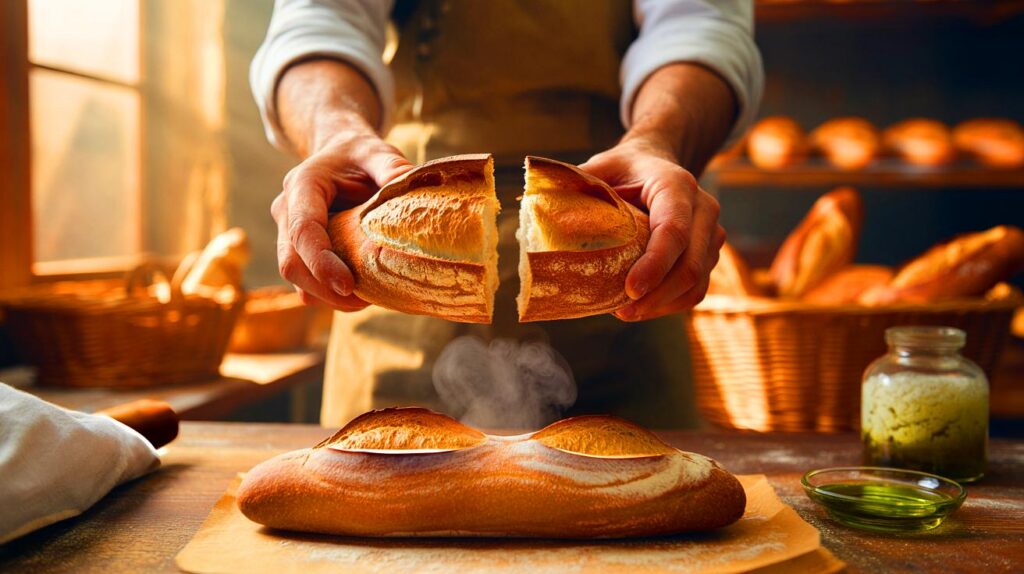
From corner bakeries to family tables, a quiet shift in crust and crumb is fuelling a national bread rethink in France.
A celebrated Meilleur Ouvrier de France, Bruno Cormerais, has stepped into the debate. He urges a return to proper bake, audible crunch, and slow chewing. His guidance challenges the soft-and-pale trend that has crept into daily orders.
A master baker calls time on pale loaves
Bruno Cormerais, one of France’s most decorated artisans, argues that a true baguette should be fully baked and proudly crisp. He says many customers now ask for “not too cooked” loaves. That habit, he warns, flattens flavour and makes the bread feel heavy. To him, a baguette is not a soft white roll. It should crackle, resist slightly under the teeth, and carry the toasted perfume of wheat.
He draws a clear line between a pale, spongey stick and a well-baked baguette. The crust, he says, matters as much as the crumb. Heat triggers the Maillard reaction, which builds aroma, colour and taste. Proper baking also dries the outer layer just enough to produce a thin, shattering shell. Bite, sound, and scent all contribute to appetite and satisfaction.
Choose a chestnut-brown baguette that crackles when pressed, then chew slowly. Aroma, flavour and comfort follow.
Why crunch matters to your body
Texture changes how the body prepares for food. A crisp crust encourages more chewing. More chewing increases saliva flow and mixes enzymes with the crumb. That early work helps digestion and makes flavours bloom. The process also slows the pace of eating, which helps satiety and keeps a meal in balance.
By contrast, soft white bread all but disappears in the mouth. It is easy to swallow too fast. That can leave you feeling bloated and less satisfied. It can also push a sharper glucose response, especially when the loaf is made quickly and served pale.
The science in brief
- Crunch promotes longer chewing, which boosts saliva and releases more aroma compounds.
- Thorough baking builds a richer crust through Maillard reactions, creating deeper flavour notes.
- Chewing slows the meal and can improve satisfaction with smaller portions.
- Slow fermentation reduces phytates found in flour, which can help mineral absorption.
- Well-baked crust and a slightly drier crumb often feel lighter after a meal.
Five crisp rules for eating a baguette the right way
- Pick colour over pallor: aim for a chestnut or deep golden crust, not beige.
- Favour sourdough (levain) or slow-fermented doughs for digestibility and flavour.
- Listen for a gentle crackle when you squeeze the loaf; silence often means underbaked.
- Chew each mouthful well to unlock aroma and ease the work of your stomach.
- Pair with protein or healthy fats to steady energy release during the meal.
How to spot a proper bake at the counter
These quick checks help you choose a baguette that delivers on taste and comfort.
| Sign | “Not too cooked” | Well-baked |
|---|---|---|
| Colour | Pale yellow to light gold | Deep golden to chestnut-brown |
| Sound | Muted when tapped | Hollow and lively when tapped |
| Crust | Thin, soft, quickly soggy | Thin but firm, shatters into fine flakes |
| Crumb | Uniform, tight, slightly gummy | Irregular holes, elastic, not sticky |
| Aroma | Neutral wheat, little roast note | Toasty, nutty, hints of caramel |
Sourdough, fermentation and the phytate question
Cormerais also points to fermentation. A levain-based dough changes the bread before it even meets the oven. Acids from the culture help break down phytates present in the grain. That process can support mineral bioavailability and contributes to a gentle tang. Time in the bowl matters as much as time in the oven.
Speedy white loaves often rely on short rises and milder bakes. That approach can leave the bread tasting thin and feeling heavy. Give the dough time, then give the loaf heat. The two steps work together. You taste more cereal character, and the mouthfeel becomes lighter.
Longer fermentation plus a full bake transforms the same flour into a bread with more taste and better comfort.
Reheating, pairing and storage to keep the crunch
If your baguette loses its bite, revive it in a preheated oven at 180°C for 5–7 minutes. Let it rest two minutes before slicing. Avoid the microwave; it softens the crust and toughens the crumb. To hold freshness, store in a paper bag at room temperature and keep plastic away from the crust. A tea towel helps for overnight storage. For the next day, freeze while fresh and reheat from frozen.
At the table, pair a well-baked baguette with olive oil, cheese, eggs, or charcuterie. That balance supports a steadier energy release. For salads and soups, cut thicker slices to keep structure and crunch. For sandwiches, let the baguette cool fully before slicing to prevent a gummy interior.
Do people really prefer pale baguettes?
Bakers across France report a strong demand for “not too cooked” baguettes. In some shops, they say it can reach half of orders on busy days. Energy costs and speed pressures also nudge ovens toward shorter bakes. The result is a paler crust and a softer chew. Cormerais pushes back against this habit. He wants the public to ask for colour, aroma and crunch again.
There is a cultural note here. Many grew up with softer loaves and link that texture with freshness. A darker crust, to them, can look dry. Yet a proper bake does not mean burnt. It means enough heat to unlock flavour and build a wafer-thin shell that stays crisp for longer.
What this means for you at lunch
Ask for “bien cuite” when you buy, and give the loaf a light tap. Pick the one that sounds hollow and looks boldly golden. Tear off a piece, smell it, and chew. You will notice more grain character, less stickiness, and a cleaner finish. If you prefer a gentler profile, look for sourdough baguettes with a darker bake. They bring aroma without harshness and often feel easier after a meal.
For those curious about numbers, bakers aim for a loaf that finishes near 96–98°C at the core. That temperature signals a set crumb and a dry enough crust to flake rather than bend. You do not need a thermometer at home. Your senses will guide you: colour, sound, scent, and a whisper of crackle under the fingers tell the story. Try a week of “bien cuite” and slower chewing, then note how you feel after meals. Many people report more flavour and a lighter step in the afternoon.



So I’ve been eating “pale baguette” all my life—does that make me 50% wrong or 100% delicously misguided? Asking for my toaster.