
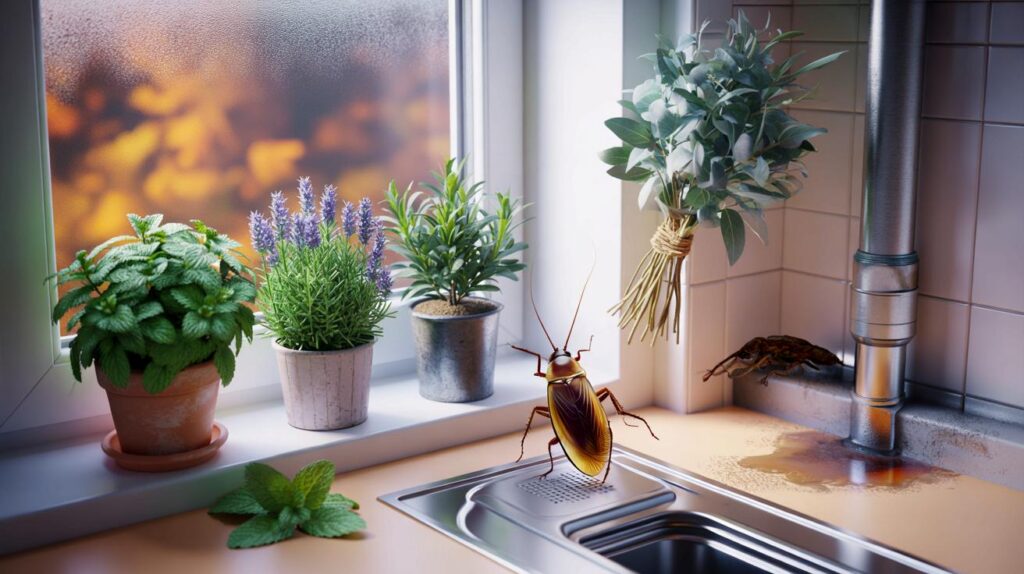
Cold nights bring unwelcome visitors indoors, and some Britons now turn to a greener tactic to keep kitchens calm.
As heating clicks on and windows stay shut, cockroaches find warm pipes and crumbs irresistible. Families want relief without harsh sprays. A handful of hardy plants, cheap and simple to keep alive on a sill, promise a low-effort line of defence. Here is how they work, where to place them, and what to do next if activity persists.
Why cockroaches move in when temperatures fall
Roaches love warmth, moisture and food traces. Autumn offers all three inside. Leaky taps create damp edges. Boiler cupboards stay cosy. Night-time crumbs under appliances serve as a buffet. German cockroaches thrive in flats and terraced homes. They hide in gaps as thin as a bank card. A single female can carry an egg case with up to 40 nymphs. Several cases can hatch over a season.
They travel through pipe runs and wall voids. They sense odours from bins and pet bowls. They follow baseboards and skirting. They rest behind fridges and dishwashers. This behaviour gives you clues on where to position deterrents.
Target the routes they use: warm motors, damp sinks, bin corners, gaps under 5 mm, and cracks along skirting.
The plant play: scent that turns roaches around
Some common plants release volatile compounds that confuse a roach’s antennae. The smell does not kill. It makes the area less attractive. That shift in behaviour reduces crossings, foraging and sheltering near you. The effect works best when you block entry points and clean as well.
Four plants that make roaches think twice
Peppermint (Mentha × piperita)
Menthol and menthone give peppermint its punchy scent. Grow a small pot on a bright sill. Snip tips every week to stimulate new growth and stronger aroma. Crush a few leaves with a spoon to boost odour near hotspots such as the bin and the dishwasher kickboard.
Bay laurel (Laurus nobilis)
Bay holds its fragrance in thick leaves. A small bay in a 2–3 litre pot copes well by a cool kitchen window. Scatter a few dried bay leaves behind appliances and under the sink. Replace them when they turn brittle and pale.
Lavender (Lavandula angustifolia)
Lavender brings linalool and a clean scent to small spaces. It prefers a sunny sill and moderate watering. Tuck breathable sachets of dried flower heads into food cupboards, far from direct food contact. The scent can soften pantry odours that attract pests.
Eucalyptus (Eucalyptus gunnii or cut stems)
Eucalyptus gives a camphor-like note from eucalyptol. A compact potted plant suits a bright porch. In tight flats, hang a small bundle of fresh stems near a bathroom vent or boiler cupboard. Allow air to move across the leaves for best effect.
Use 3–5 small pots in a one-bed flat. Place them at height and at floor level to cover both travel routes.
Placement that actually works
- Put peppermint or lavender on the kitchen windowsill and above the cooker splashback.
- Wedge two dried bay leaves under each appliance foot and near the bin pedal.
- Hang a short eucalyptus bundle behind the bathroom door and by the washing machine hose.
- Refresh crushed leaves every three days during active sightings. Replace dried material every two weeks.
Costs, care and safety at a glance
| Plant | Typical price per pot | Light needs | Watering | Pet notes | Key compounds |
|---|---|---|---|---|---|
| Peppermint | £3–£5 | Bright, indirect | Keep evenly moist | Strong oils may irritate cats and dogs | Menthol, menthone |
| Bay laurel | £5–£8 | Bright to partial shade | Allow top soil to dry | Leaves can upset pets if chewed | Cineole, eugenol |
| Lavender | £4–£7 | Full sun if possible | Sparingly, avoid soggy soil | May bother sensitive cats | Linalool, linalyl acetate |
| Eucalyptus | £6–£10 | Bright, airy | Regular but light | Eucalyptol can be toxic if ingested | 1,8-cineole |
What the science suggests
Laboratory work shows essential oils from mint, eucalyptus and lavender can repel or disrupt roach activity at certain concentrations. Whole plants release smaller amounts, yet they add steady scent near entry points. The plants do not replace sanitation or sealing. They nudge behaviour and reduce traffic in treated spots.
Plants shift the odds. Clean surfaces and sealed gaps convert that shift into fewer sightings and fewer crumbs raided.
Simple steps that stack with plants
- Seal 1–3 mm cracks with decorator’s caulk along skirting and worktop edges.
- Fix drips. A wet sink trap feeds roaches at night.
- Vacuum crumbs under the fridge and cooker once a week.
- Close pet food overnight or elevate bowls and wipe the mat.
- Empty the bin before bed and wipe the rim and pedal.
- Use sticky monitors behind appliances to track activity and measure progress.
How to boost the scent without sprays
Pinch and roll two peppermint leaves between fingers and wipe the oils along a cardboard strip. Slide the strip behind the bin caddy. Make a small muslin sachet with dried lavender and bay and place it in the cupboard plinth void. Replace material on a schedule. Mark dates on a sticky note by the sink. Regular refresh keeps odour levels stable.
When to escalate to stronger tools
If you still spot roaches after two weeks of plant use plus cleaning, add sealed gel baits out of reach of children and pets. Place baits where monitors show activity. Keep plants in position to discourage new arrivals while baits target the nest. If you live in a block, speak to neighbours or the managing agent, as roaches ignore property lines.
Extra detail: why scent matters to roaches
Roaches read the world with antennae. They follow chemical trails to food and water. Menthol, linalool and eucalyptol blur those trails and compete with food odours. This interference makes a kitchen less navigable. The insects waste time and switch routes. You gain a window to clean, seal and starve the population.
Extra tips for families and renters
Budget for two small plants per hotspot. A one-bed flat often needs four to six pots for coverage. Rotate pots every fortnight so each plant gets light and recovers scent. Avoid oil diffusers near birds and asthmatics. If you keep cats, favour lavender and bay in rooms they cannot access, and position eucalyptus well out of reach. Photograph problem gaps and send them with a repair request to your landlord. A tube of caulk costs under £4 and often does more than a can of spray.



Thanks for the clear placement tips—especially the 3–5 small pots note. I’ll try peppermint by the bin and eucalyptus near the boiler. How soon should I expect fewer sightings, really 48 hours?
So my kitchen becomes a tiny herb fortress and the roaches just turn around? Sounds like a Pixar short. I’ll try it, but if they start making mojitos with the mint, I’m moving.