
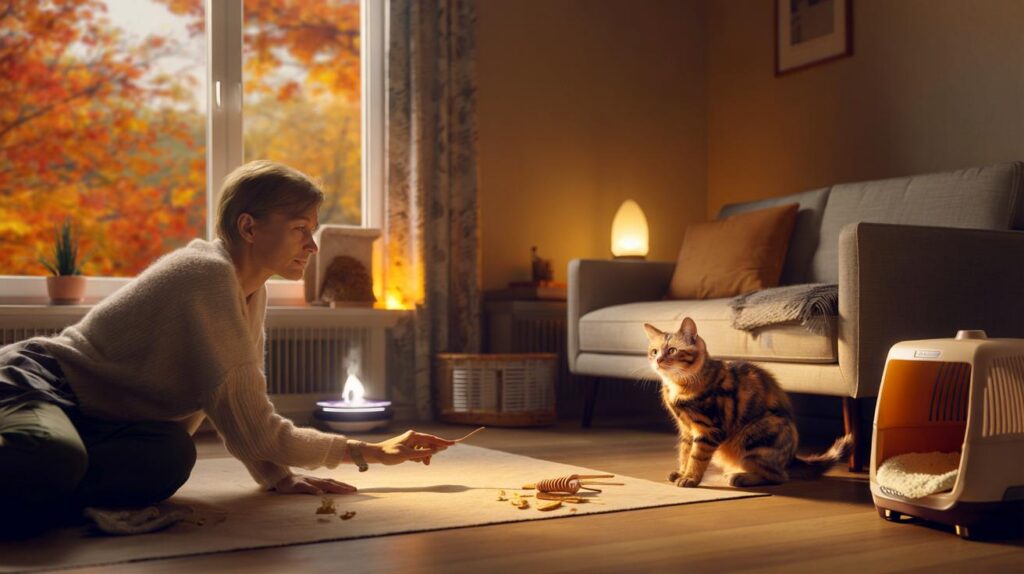
Cold stares, sudden disappearances and shredded cushions feel personal. As days shorten and radiators hum, many families notice their most private pet withdraw.
Seasonal shifts unsettle routines. Heating dries the air. Homes get noisier. Cats read these changes like headlines. Some seek distance, test boundaries and guard their safe spots. That chill can look like disdain, yet it often masks discomfort, stress or pain.
Why distance appears: reading an anxious cat
Withdrawal is rarely a whim. Cats manage risk by controlling space. When their map changes, they retreat to places that feel predictable. The trigger can be obvious, like building works, or subtle, like a new detergent.
Hidden drivers behind the snub
Fear and stress sit at the top of the list. New babies, visitors, other animals, noisy hobbies and rearranged furniture can unsettle a careful animal. Pain hides in plain sight. Dental disease, joint pain, urinary discomfort, gut trouble and skin irritation make touch feel threatening. Older cats often stiffen as the weather cools. Heated floors, strong odours and a litter tray moved two metres can tip a fragile balance. Cats also notice human tension. Raised voices and rushed routines raise their guard.
Eleven red flags you should not ignore
- He slips away the moment you enter a room.
- She hisses, growls or spits when you approach.
- Claws appear during everyday interactions.
- Teeth meet skin during handling or grooming.
- Urine or faeces turn up outside the litter tray.
- A hard stare follows you from doorways or under furniture.
- Head turns sharply away from your hand or lap.
- Belongings get scratched or shredded after contact attempts.
- Food remains untouched when you are nearby.
- Calls and cues receive no response at all.
- The tail lashes when you reach out, and ambushes erupt without warning.
One sign deserves attention. A cluster of three or more calls for swift action and a health check.
Small changes you make that make things worse
Human habits that drain trust
Overhandling teaches a cat that you will not listen. Chasing, scooping up, prolonged cuddles and direct staring feel like pressure. Scolding, clapping, water sprays and time-outs add fear. Blocking access to beds, perches or hiding places removes control. Good intentions can still backfire. Picking up a scared cat to “socialise” it often cements avoidance.
Simple, quiet gestures that soothe
- Sit sideways at floor level and soften your gaze. Slow-blink, then look away.
- Offer one finger to sniff. Count to five. Withdraw if there is no movement.
- Use short strokes on the head and cheeks only, and stop after two seconds. Wait for a re‑approach.
- Keep a predictable schedule: feed, play, then rest at the same times daily.
- Add two extra hiding spots and one high perch per cat. Choice reduces conflict.
- Run gentle, five‑minute wand‑toy sessions. Finish with a small food reward.
- Plug in a synthetic feline pheromone diffuser near favourite routes, not beside the litter.
Let the cat set distance and duration. Consent-based contact builds faster than forced affection.
What to avoid at all costs
No shouting. No confinement as punishment. No rough play. No dragging from under beds. Avoid strong fragrances, incense and harsh cleaning sprays. Skip belly rubs unless you have a clear, repeat history of tolerance. Do not place food bowls or litter trays in busy corridors.
Rebuilding confidence, one calm routine at a time
Predictability lowers arousal. Short, repeatable rituals create safety cues your cat can trust. Keep sessions brief. End while things still feel easy. Pair your presence with things your cat chooses, like a window view, a favourite chew or a puzzle feeder.
A seven-day reset that many households can follow
| Day | Focus | Metric to watch |
|---|---|---|
| 1 | Provide three safe stations: hideaway, mid-height perch, quiet litter area | Uses at least one new safe spot within 12 hours |
| 2 | Two five‑minute play sessions with a wand toy at dusk | Tracks the toy for 5–10 seconds without tail lashing |
| 3 | Introduce treat tosses from two metres; no touching | Approaches tossed food within five seconds |
| 4 | Consent touch: two‑second cheek stroke, then hands off | Returns for a second request within one minute |
| 5 | Add scent swapping with a soft cloth on cheeks, then on bedding | Sniffs and rubs cloth without retreat |
| 6 | Quiet co‑presence: read or work near the cat for 15 minutes | Body loosens; slow blinks appear; grooming resumes |
| 7 | Extend play to ten minutes and end with a small meal | Settles to rest within ten minutes after the session |
When to call the vet or a behaviourist
Book a veterinary appointment if avoidance lasts beyond 72 hours, escalates, or pairs with appetite change, weight loss, vomiting, diarrhoea, coughing, sneezing, bad breath, straining, or new night‑time vocalisation. Pain trumps training. Senior cats benefit from joint checks, dental exams and simple blood and urine screens. If medical issues are cleared and tension remains, ask a qualified feline behaviour professional for an in‑home assessment.
Pain first, environment second, training third: that order saves time, money and trust.
Tracking progress without pressure
Look for soft signals. Slow blinking, cheek rubs, exposed flanks, relaxed ears and a gently upright tail mark improvement. Grooming within your sight signals confidence. Eating while you sit nearby shows growing trust. Purring can appear during pain, so use posture and movement as your guide. Keep a daily log with three columns: what you did, what the cat did, and what you will change tomorrow.
Extra angles that help many cats this season
Scent matters. Wash hands after handling other animals. Switch to unscented litter. Keep one litter tray per cat plus one spare, spread across the home. Bowls should sit away from walls, so whiskers do not brush surfaces. Wide, shallow dishes reduce stress. Microchip feeders prevent food guarding in multi‑cat homes. Vertical routes, like shelves and window hammocks, let cats pass without conflict. Heating dries air; a small humidifier near sleeping spots can ease noses and skin.
Think enrichment, not entertainment. Scatter‑feed ten pieces of kibble across a safe room to trigger natural foraging. Rotate three toy types every three days. Use puzzle feeders for 20 minutes after the main evening play. Short car trips to the veterinary surgery for happy visits build future resilience. A towel sprayed in the carrier 15 minutes before travel reduces panic. Avoid stacking stressors. Do not introduce new pets during renovations, holidays or the school rush. Small, steady choices now protect the bond you value year‑round.



Short, practical and kind—thank you. The seven‑day reset finally explains what to do between “leave them alone” and “force cuddles”. Definately bookmarking.