
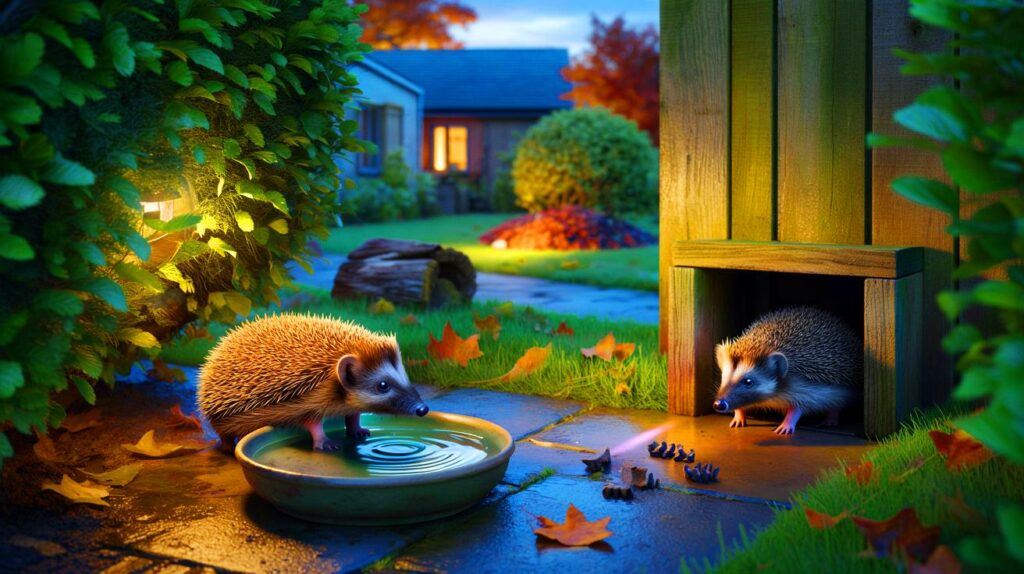
Gardeners across Britain report spikes in nocturnal visitors as colder nights draw in and food grows scarce for small mammals.
As hedgehogs start their autumn dash to fatten up before winter, simple changes outside your back door can turn your patch into a reliable pit stop. One small item, paired with a tiny tweak to your fence, can bring them back night after night and help a species under pressure.
Why hedgehogs keep coming back
Hedgehogs remember places that offer water, food and quiet cover. They travel far each night, tracing familiar routes between gardens. If your garden delivers the basics every evening, they fold it into their loop and return. That repeat pattern helps them build the reserves they need before a long winter sleep.
Make your garden predictable at dusk: same corner, same time, same supply. Routine pulls hedgehogs back.
The one thing to place outside
Put a shallow bowl of fresh water out at dusk, every day. Keep it in the same shaded spot, away from bright lights and patios where pets gather. Replace it in the morning and scrub it every few days to prevent disease spread.
A simple dish of water is the nightly magnet. Never offer milk; it can cause serious illness.
To go one step further, add meaty cat or dog food, or specialist hedgehog biscuits. Avoid fish flavours. Scatter a small handful under a hedge or beside a log pile, not out in the open. Consistency matters more than quantity.
Make their nightly route possible
Most gardens are boxed in by fences. Hedgehogs need a doorway between plots or they will pass you by. Without access, even the best food and shelter go unused.
Create a 13cm hedgehog highway
Cut a 13cm by 13cm square at the base of a wooden fence panel or lift a small gap beneath a gate. Mark the hole so neighbours know what it’s for and ask them to match it. Place the hole where the ground is level and keep it clear of clutter.
One 13cm hole links habitats. A whole street of holes becomes a life-saving network.
Shelter they actually use
Hedgehogs favour quiet, dry and hidden corners. Build a log pile against a wall, leave a heap of leaves in a shaded nook, or tuck a purpose-built hedgehog house under shrubs. Compost heaps and the space under sheds also tempt them, especially if left undisturbed.
Leafy trees and dense planting create cover from foxes and magpies. Let one corner go a bit wild. Rotting wood breeds beetles and woodlice, which hedgehogs love to eat.
What and how to feed safely
Food supports hedgehogs as nights lengthen and ground-dwelling invertebrates become harder to find. Aim for small portions and steady timing.
- Water: shallow dish, refreshed nightly, never milk.
- Food: meaty cat or dog food, or hedgehog biscuits; avoid fish flavours.
- Portion: a heaped tablespoon per visitor; reduce if leftovers remain by dawn.
- Placement: under cover, near a hedge or log pile, away from busy paths.
- Hygiene: clean dishes often; rotate spots to reduce mess and pests.
Numbers that matter this autumn
| Measure | Recommended value | Why it helps |
|---|---|---|
| Hedgehog highway | 13cm x 13cm opening | Lets adults move between gardens without getting stuck |
| Nightly range | Up to 1 mile | They patrol widely for food, water and safe cover |
| Pre-winter weight | Around 600g by November | Boosts survival through hibernation for juveniles |
| Water depth | 2–3cm in a shallow dish | Easy to drink, low risk of drowning for small animals |
| Hibernation window | November to March (varies) | Expect fewer sightings during deep winter |
Hidden risks on your lawn
Many well‑meant garden habits hurt hedgehogs. A few quick checks reduce accidents and keep visitors safe.
Slug pellets, bonfires and nets
- Skip slug pellets. They poison the invertebrates hedgehogs eat and can harm hedgehogs directly. Hand-pick slugs or use beer traps and copper bands instead.
- Check bonfires before lighting. Piles of leaves and branches attract hedgehogs seeking a dry bed. Rebuild the stack on the day you light it.
- Raise garden netting. Fix pea netting at least 20cm above ground to prevent snaring feet and spines.
- Cover drains and provide pond exits. A brick slope or a simple ramp gives hedgehogs a way out.
- Mind the strimmer. Walk the line first; long grass hides resting hedgehogs.
Five minutes of checks can prevent the commonest garden injuries to hedgehogs.
Is your garden worth the return trip?
Hedgehogs prefer reliable, low‑stress spots. If your dog patrols late, feed earlier and in a hidden corner. If cats raid the bowl, use a feeding tunnel: a plastic storage box with a 13cm entrance cut in the side and a heavy tile on top. Place food at the back so only hedgehogs reach it.
Late autumn juveniles benefit most from nightly support. If you spot a small hedgehog out in the day or one that wobbles, it may need help from a local wildlife rescuer. Keep the animal warm in a ventilated box with a towel and offer water while you ring for advice.
Street-by-street change you can start today
One garden helps; a chain of gardens transforms survival odds. A quick chat with neighbours multiplies safe routes and doubles the number of water sources. People on both sides of a fence can share the same feeding and watering corner, reducing mess and effort.
- Cost to start: water is free; a saw cut for a 13cm hole is pennies; a basic hedgehog house costs £20–£40.
- Time needed: under 30 minutes to cut a hole, place a bowl and build a small log pile.
- Best schedule: set water out at dusk daily; top up food during cold snaps and dry spells.
What to plant and where
Plant a strip of shrubs or a small tree to add cover. Hawthorn, hazel and dogwood create shelter and leaf litter. Leave a rough border along a fence where insects thrive. Resist the urge to tidy every corner; a little mess feeds the food chain hedgehogs rely on.
Position shelter away from prevailing wind and heavy footfall. Keep bright lights off after midnight. Motion sensors can be angled downward to avoid flooding a feeding spot with glare.
If you make only two changes
Place a shallow bowl of fresh water outside every evening and cut a 13cm highway in your fence. Together they unlock access and provide the one resource hedgehogs search for first. Add a covered feeding corner as nights get colder, and let a wild patch develop. You will hear snuffles soon enough.
Water nightly. A 13cm gap. Quiet cover. Those three steps turn a fenced square into hedgehog territory.
Extra know‑how for keen gardeners
To track visits without cameras, dust a strip of patio with fine sand and look for tiny five‑toed footprints in the morning. For a simple population check, note how often food disappears completely over a week, then reduce portions until only a few crumbs remain by dawn. That balance keeps visits steady and limits unwanted guests like rats.
If you run a small allotment or shared court, agree a “hedgehog lane” map with neighbours and mark it with small wooden signs by each 13cm hole. A coordinated layout cuts dead ends and keeps pets away from feeding corners. Small, steady actions through October and November make the biggest difference when natural food dips and frost bites.



Tried the 13cm hole last week and put out water; had two snuffling visitors by 10pm. Definately doing this every night.