
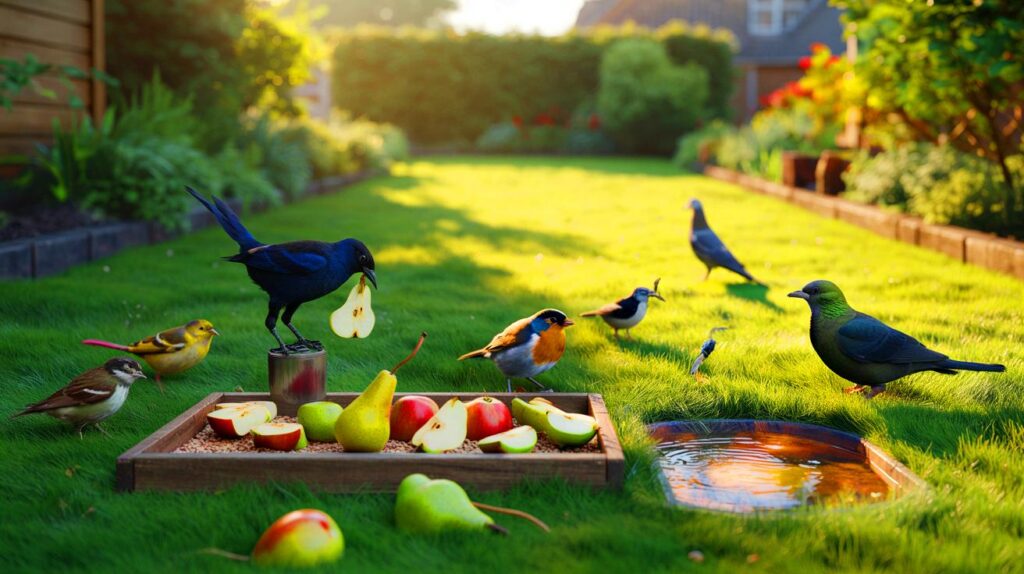
Fledglings are spilling into streets and gardens as summer peaks, and competition at the feeders has never been sharper for them.
Young robins, sparrows and blackbirds are now fending for themselves. Natural food abounds, yet every patch of ground hosts a battle for calories. A simple, low-cost change to your routine can shift who drops by, and how long they stay.
Why two fruits work
Garden charities and wildlife suppliers say summer feeding helps birds bridge gaps in natural supplies. One tactic stands out for its speed, price and simplicity: chopped apples and pears placed on the lawn or a bird table.
Put out small chunks of apple and pear. Bruised fruit is fine. Blackbirds and thrushes take it readily, and other species investigate fast.
The Royal Society for the Protection of Birds (RSPB) notes that fruit—especially apples and pears—proves popular with blackbirds and thrushes. Soft flesh offers quick energy and moisture to recently fledged birds. Robins sometimes sample soft fruit, and the scent draws insects, which robins take with gusto. House sparrows rarely lead on fruit, yet they forage around the same spot for seeds, crumbs and grubs stirred up by the commotion.
Use only fresh or safe leftovers. Skip anything salty or mouldy. If you keep a dog, avoid vine fruits such as raisins and sultanas, which can be toxic to pets. Stick to fresh apple and pear chunks and clear any leftovers before dogs go outside.
Place food where ground feeders feel safe
Many common visitors feed at ground level rather than on hanging feeders. Blackbirds, dunnocks, sparrows and doves often prefer to land, scan and peck. Blackbirds are also too large for most standard hanging feeders.
Keep the fruit in open view. Birds avoid tight corners. Cats use cover. Move the food away from hedges and low walls.
- Scatter fruit on short grass, at least three metres from dense shrubs.
- Use a low bird table or tray so nervous birds can hop on and off quickly.
- Offer small pieces, about 1–2 cm wide, to minimise waste and reduce squabbles.
- Refresh in the morning and early evening; remove soggy leftovers at dusk.
Summer feeding myths are fading
For years, many people assumed feeding belonged to winter. Long-term monitoring has shifted that view. In summer, populations run highest, fledglings learn fast, and adults rush between nests and hedgerows. A steady, varied spread can keep youngsters going while they master the garden’s pecking order.
Wildlife specialists report that well-stocked feeding points act like training wheels for juvenile birds. Parents top up the menu, teach feeding routes and return with youngsters until the young learn where to find calories. A simple addition—two pieces of fruit—can support that learning without costing much.
Hygiene and disease: small habits that matter
Warm weather and busy perches raise disease risks. Keep feeding gear clean and rotate spots to protect your local birds.
Brush away debris each time you add food, and scrub feeders weekly with a mild disinfectant solution.
Flat, open bird tables can gather droppings and old food in one place. Some retailers and charities have reviewed these designs while they assess how disease might spread between visitors. If you use a flat table, wash it frequently with hot, soapy water and let it dry before refilling. Move ground-feeding spots a metre or two each week, and rinse water dishes daily.
Cost, quantities and what to expect
The appeal of the tactic lies in its price and reach. A single supermarket apple or pear often costs under £1 and feeds several birds. One fruit, chopped into bite-sized pieces, usually lasts a morning in a busy garden.
How much to put out
Start small: half an apple and half a pear in 1–2 cm chunks. If everything vanishes within an hour, add a little more next time. If pieces linger into the afternoon, reduce the amount. Replace fruit daily so it stays fresh and safe.
Which birds may turn up
Expect the first visitors to be blackbirds and, with luck, a song thrush. Robins may sally in for insects and peck at soft bits. Sparrows, dunnocks and doves could join the ground party for scattered seeds near the fruit. Starlings may drop briefly to carry pieces away to a brood.
- Blackbird: bold on lawns, strong preference for soft fruit and worms.
- Song thrush: takes soft fruit, snails and worms; cautious but persistent.
- Robin: hunts insects drawn to fruit; pecks at very soft pieces.
- House sparrow: seed-first species; forages near commotion for spilt grain.
- Dunnock: ground skulker; prefers small seeds and invertebrates.
- Starling: opportunist; fast visits, especially during feeding frenzies.
- Dove or pigeon: hoovers spilt bits; needs open sightlines.
Make it part of a varied summer menu
Offer more than fruit so different species find something suitable. Pair apple and pear with a small scoop of sunflower hearts, a pinch of raw oats, or a tray of soaked mealworms. That mix gives protein to growing chicks and quick sugars to tired parents.
Variety wins. Fruit for blackbirds and thrushes, seeds for sparrows and doves, mealworms for robins and starlings.
Practical add-ons that boost visits fast
Add water. A shallow dish with fresh water doubles footfall in hot spells. Birds drink, then bathe to keep feathers in working order. Place it a metre from cover so they can spot danger.
Time your top-ups for early morning and late afternoon, when activity peaks. Keep bread off the menu; it fills crops but offers little nutrition. If wasps arrive, shift fruit to a shadier spot and reduce quantities, as cooler, smaller portions attract fewer insects.
For homes with dogs
Skip dried vine fruits, including raisins and sultanas. These can harm dogs even in small amounts. Use fresh apple and pear only, pick up leftovers before pets go out, and stick to open, supervised feeding windows.
A 48-hour starter plan
Day one: chop half an apple and half a pear, scatter in the open, and add a small handful of sunflower hearts nearby. Clean your table or tray after the evening lull. Day two: repeat with fresh fruit, move the feeding spot slightly, renew water, and trim the quantity to match the previous day’s uptake.
This small routine costs well under £2 and can pull a lively cast of seven everyday species to your lawn. The fledglings learn, the adults refuel, and your patch gains a front‑row view of summer at its busiest.



Apples and pears under a quid? I’m in. Any tips for wasps tho?
So my lawn’s about to become a blackbird buffet. Do I need tiny reservation signs too? 🙂