
A single Portuguese harvest has turned supermarket shelves into a treasure hunt, and your salad might never taste the same.
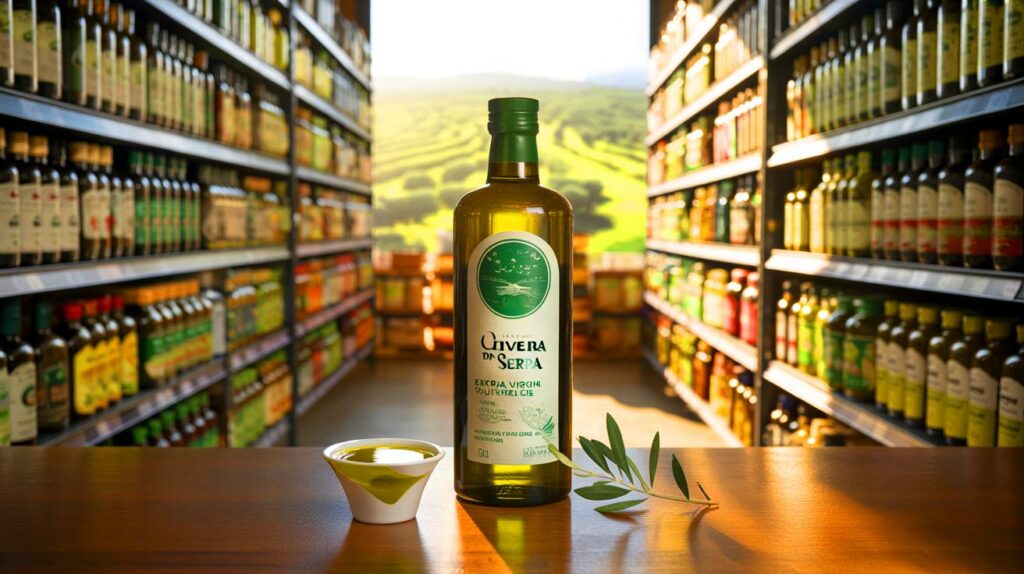
This year’s most closely watched olive oil prize delivered a surprise: a light, green-fruity extra virgin from Portugal’s Alentejo outscored 130 international rivals at the Mario Solinas Quality Awards 2025 run by the International Olive Council. The winning bottle carries the Oliveira da Serra name, pressed at the Lagar do Marmelo mill in Ferreira do Alentejo, and it now appears in a limited, numbered run on mainstream Portuguese shelves.
A contested crown, a clear style
The Mario Solinas jury judges oils on harmony, complexity and overall sensory balance across defined categories. In the “light green fruitiness” bracket, Portugal took the top spot, ahead of entries from Italy, Greece, Tunisia, Turkey, China and France. The panel prized finesse over force: an oil that opens with green almond and olive leaf, adds a whisper of tomato vine, and closes with a measured bitterness and a clean, peppery lift.
One Portuguese lot rose above 130 competitors by delivering harmony, clarity and a distinctly fresh green profile.
The champion oil was born at Lagar do Marmelo, a modern mill serving Oliveira da Serra. Its agricultural arm, Nutrifarms, focuses on meticulous fruit selection, rapid cold extraction and tight temperature control. That discipline preserves volatile aromas and protects texture, which is crucial when the aim is a light, precise green-fruity style rather than a heavy, pungent punch.
Why Alentejo struck a chord
Alentejo’s broad, sunlit plains and rolling groves have long produced frank, clean oils with a cool, vegetal thread. The region leans on local cultivars that bring distinct dimensions to a blend. Producers talk about balance first, not brute intensity, which proved persuasive in a category built around elegance.
Inside the mill: speed, temperature, timing
Olives arrive quickly from nearby orchards to limit oxidation. They’re cleaned, crushed and malaxed at low temperature before a swift separation. Every minute matters. Each stage manages heat and air exposure, maintaining chlorophyll-driven notes without tipping into grassy harshness. The result is an oil with firm structure and bright aromas that read as fresh rather than raw.
What you’ll taste on the plate
Aromas skew green: almond kernel, olive leaf, a hint of tomato stem. Bitterness is present but restrained; pungency pricks gently at the back of the throat. That profile fits foods that would be bullied by bolder oils. It flatters simple ingredients and rewards uncooked use.
- Warm bread and a pinch of flaky salt, to appreciate perfume and texture.
- Tomato salads or sliced mozzarella, where green notes lift sweetness.
- Roasted vegetables, finished post-oven for sheen and fragrance.
- White fish or poached chicken, dressed at the last moment.
- Pulse soups and minestrone, a tablespoon stirred in before serving.
From medal to trolley
Most award-winning lots vanish into specialist channels. Not this time. Oliveira da Serra has issued a numbered, limited-edition bottling available in major Portuguese supermarkets, aiming to place a competition-grade oil in everyday kitchens. That move matters. It connects technical acclaim to daily cooking, and it lets shoppers test a calibrated sensory profile against their usual brand.
Numbered bottles have landed in Portuguese supermarkets, taking a competition oil out of insiders’ circles and into home kitchens.
The varieties behind the flavour
Alentejo draws on several traditional cultivars. Blends vary by harvest and producer, yet certain grapes—if this were wine—keep showing up in conversation. Here are three names you may find on labels or in producers’ notes, with typical character:
| Variety | Typical notes | Role in blend |
|---|---|---|
| Galega | Delicate fruit, almond, soft texture | Builds sweetness and roundness |
| Cordovil | Leafy green, herbal lift, light bitterness | Adds freshness and structure |
| Verdeal | Tomato vine, peppery finish | Brings spine and length |
An award in “light green fruitiness” signals that the blend emphasises freshness, not weight. Expect clarity rather than creamy density, and a finish that cleans the palate.
How to get the best from a light green-fruity oil
Handling matters as much as provenance. Treat this oil like fresh produce, because it is.
- Buy for the season. Look for a harvest year on the label, not just a best-before date.
- Protect from heat, light and air. Keep bottles cool, cap promptly, avoid display near the hob.
- Cook with care. Gentle sautéing is fine, but you’ll gain the most by finishing dishes.
- Taste blind at home. Compare your usual bottle with the award winner on bread to calibrate your palate.
- Portion smartly. Open smaller formats if you use oil slowly to keep flavours vivid.
What this means for shoppers and growers
A victory in a tightly defined category nudges the market towards specificity. Labels that once leaned on vague “extra virgin” claims now have a benchmark for “light green fruitiness”: harmonious, clean, and fresh. Consumers get a clearer route to matching oil to dish. Producers gain a signal that careful handling and quick extraction pay off when finesse is the target.
There’s also a national story. Portugal’s olive sector blends modern mills with long-rooted groves. Recognition from an international jury draws attention to the country’s range—from delicate, green profiles to sturdier bottlings. It may shift buying habits, at least in Portugal, where an accessible limited release invites a taste test against everyday brands.
A five-minute home tasting to try tonight
Line up two small glasses per person. Pour a tablespoon of each oil. Warm in your hands for a minute. Smell with quick sniffs. Sip a pea-sized amount, let it roll across the tongue, breathe in, then swallow. Note fruitiness (green or ripe), bitterness (tongue sides) and pungency (throat tickle). The award-winning style should feel agile, aromatic and tidy on the finish.
Risks, rewards and practical trade-offs
Fresh, green-leaning oils can fade faster if left open on a sunny shelf. The reward is a vivid aroma that lifts simple food. If your cooking leans to high-heat frying, keep a neutral oil for the pan and reserve this bottle for dressing and finishing. If you cook mostly vegetables, pulses and fish, a light green-fruity profile earns its keep with daily versatility.
What to watch next
Look for more producers to release competition lots in consumer formats, possibly in half-bottles to protect freshness. Expect clearer sensory cues on labels—fruitiness style, bitterness, pungency—rather than generic tasting adjectives. For Portuguese growers, the challenge is consistency across harvests under shifting weather patterns; the opportunity is a bigger audience for carefully handled fruit.



Loved the focus on ‘light green fruitiness’. The tomato vine and almond notes sound perfect for post-oven veg and mozzarella. If Oliveira da Serra’s limited run really made it to mainstream shelves, that’s a big win—finally a competition-grade oil I can actually buy without chasing specialty shops. I’m swapping tonight.