
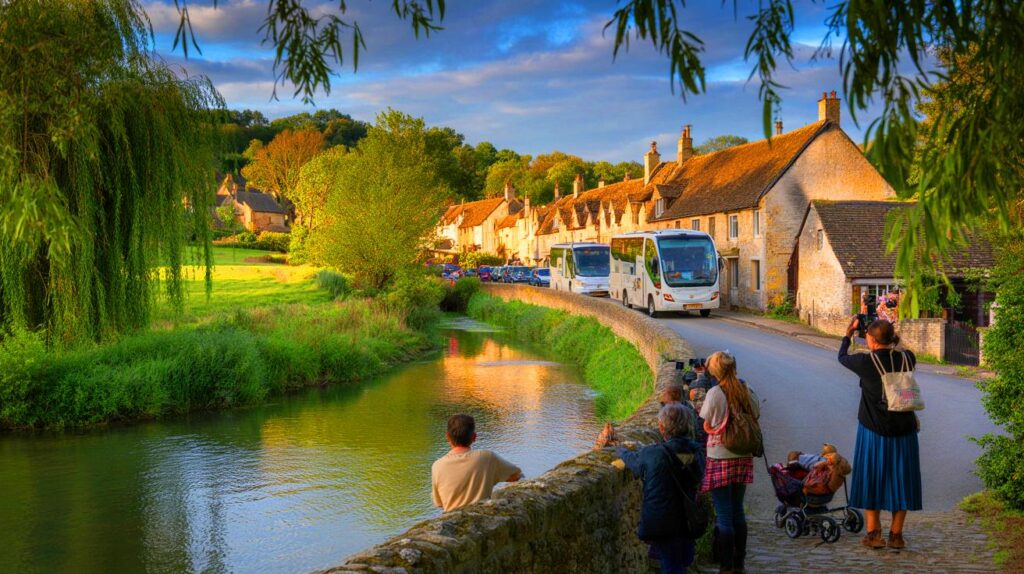
Honey stone, willow shade and cobbled lanes are back in vogue, drawing new crowds to Britain’s most photogenic corners.
That surge now meets a decisive headline: a glossy list has pushed one rural hamlet into the global spotlight, stirring pride and nerves in equal measure.
Forbes names Bibury no. 1 for 2025
Forbes, working with Unforgettable Travel Company, has placed Bibury at the top of its 50 most beautiful villages in the world for 2025. The Cotswolds settlement earned that accolade for its tight run of honey-coloured cottages on Arlington Row, the gentle bends of the River Coln and a setting that feels lifted from an illustrated children’s book. It is a postcard that moves. The result brings a rush of attention to a place already loved by day-trippers, photographers and heritage buffs.
Bibury takes the 2025 global no. 1 spot, placing a tiny Cotswolds village on a world stage it never asked for.
Visitors tend to stand at the same vantage points, stack into coach groups and move on. The new ranking risks reinforcing that pattern. Locals have watched footfall swell and buses snake along lanes built for carts, not convoys. The village now faces a clear test: can it welcome curiosity without losing its calm?
A small village under large pressure
Roughly 600 people call Bibury home. Peak season already brings up to 50 coaches a day and weekends that can see 20,000 visitors. Residents have pushed for larger vehicles to avoid the centre to ease congestion. Traders value the spend. Families value the quiet. Both sides share the same pavements.
| Measure | Typical figure (peak) |
|---|---|
| Population | ≈ 600 residents |
| Coach arrivals | Up to 50 per day |
| Weekend visitors | Up to 20,000 |
| Main sightseeing zone | Arlington Row & River Coln |
Up to 20,000 weekend visitors vs. about 600 residents: one postcard street now carries a city’s worth of footsteps.
Traffic clogs narrow bends, drivers double-park for a quick snap and groups cluster across doorways. These frictions are common in heritage hotspots, from rural Italy to Scottish island harbours. The difference here is scale. A global ranking concentrates demand quickly. Without small fixes—signage, coach drop-off points, safe walking routes—frustration grows faster than the queue at the prettiest doorway.
What this means for travellers
The award does not close the village. It shifts the duty of care. If you go, go gently and spend locally. Give the place more than five minutes. The area rewards a slower circuit on foot and a sit-down in independent businesses rather than a dash-and-snap routine.
- Time your visit: early mornings or late afternoons on weekdays spread the load.
- Use marked parking and leave lanes clear for farm traffic and buses.
- Keep doorways and cottage fronts unobstructed; many houses are lived in.
- Buy something tangible—coffee, a pub lunch, a farm ticket—so your visit supports services.
- Ask before flying drones; privacy matters on residential streets.
What to do if you go
Bibury offers more than a riverside selfie. The Catherine Wheel serves classic pub plates and a decent pint in the centre. Bibury Trout Farm—one of Britain’s oldest—lets you see, and in season taste, the fish that have shaped local menus. St Mary’s Church sits quietly among yews and centuries of stonework.
Walk a loop along the River Coln to see how the water shapes the meadow. Pause at Arlington Row from the far side first; you’ll understand the street’s symmetry before you step in close. Take the footpath towards Ablington for fewer crowds and broad views back over the village.
Getting there from London
Trains from London Paddington to Kemble take around 70–90 minutes, depending on service. From Kemble, a taxi to Bibury is roughly 30 minutes by road. Buses connect Kemble, Cirencester and nearby villages, but services vary by day and season. Door-to-door, allow around two to three hours each way. Return rail fares fluctuate with demand; off-peak advance tickets often undercut walk-up prices.
Why the ranking matters beyond one village
Lists shape itineraries. A single headline sends thousands of travellers to the same footbridge. That creates real money for pubs, shops and guides. It also tests drains, verges and tempers. Local councils must juggle signage, litter, road safety and rights-of-way enforcement. Private land that looks public on Instagram becomes a flashpoint at 11am on a sunny Saturday.
The Cotswolds already promotes slower trips by bike, bus and on foot. Bibury’s moment could accelerate that shift. A modest coach management plan, better wayfinding from car parks and discreet wardens during peak hours can prevent small annoyances from becoming big rows.
Looking for quieter alternatives nearby
If you want the same textures with fewer elbows, spread your journey across the region. These villages offer handsome streets, local food and calmer lanes:
- Painswick: grey limestone, laneways and a yew-filled churchyard.
- Stanton: sloping main street and views towards the escarpment.
- Great Tew: thatch, ironstone cottages and a tucked-away feel.
- Snowshill: elevated setting, cottage gardens and a classic village green.
- Lower Slaughter: mill stream, stone bridges and waterside paths.
How visitors can help Bibury thrive
Book meals in advance during school holidays to avoid queues spilling into roads. Carry a small rubbish bag so bins do not overflow on peak weekends. Share staggered itineraries with friends: one hour in Bibury, then a circular walk and lunch in a neighbouring village. That pattern keeps spend flowing and curbs bottlenecks.
Photographers can switch to longer lenses from set-back spots rather than leaning over windowsills. Families can swap a coach drop for a train-and-bus combo that trims emissions and stress. Drivers can use designated car parks, even if a field-edge space looks quicker; verges are fragile, and blocked gateways delay farmwork.
Stay longer, spend locally, step lightly: three choices that turn a crowded photo stop into a welcome visit.
What to watch next
Expect a council review of coach routing, new visitor signs at pinch-points and seasonal marshals if numbers spike. A modest visitor levy may enter debate, as seen in other heritage areas. Any policy will work best when paired with better information at origin: ticketing pages, rail apps and hotel concierges can nudge travellers towards off-peak hours and wider routes.
For now, the award is real and the view is still gentle. Bibury has history in its stone and life behind its doors. If you go, match the pace of the river. Give the place your time as well as your lens.



Stunning news for Bibury, but the numbers are wild: 600 residents vs 20,000 on a weekend and up to 50 coaches a day. If Forbes is going to anoint winners, they should also spotlight responsible itineraries—early/late visits, rail+bus combos, longer stays, spending in local pubs and shops. A simple coach drop-off outside the center, clearer wayfinding, and marshals on peak days could ease the pinch. Beautiful places aren’t museums; people live there. Let’s not love it to death, please. And yes, drones—ask first!
So Bibury is #1? Great, now my feed will be 90% Arlington Row and 10% elbows. plz send wider pavements.