
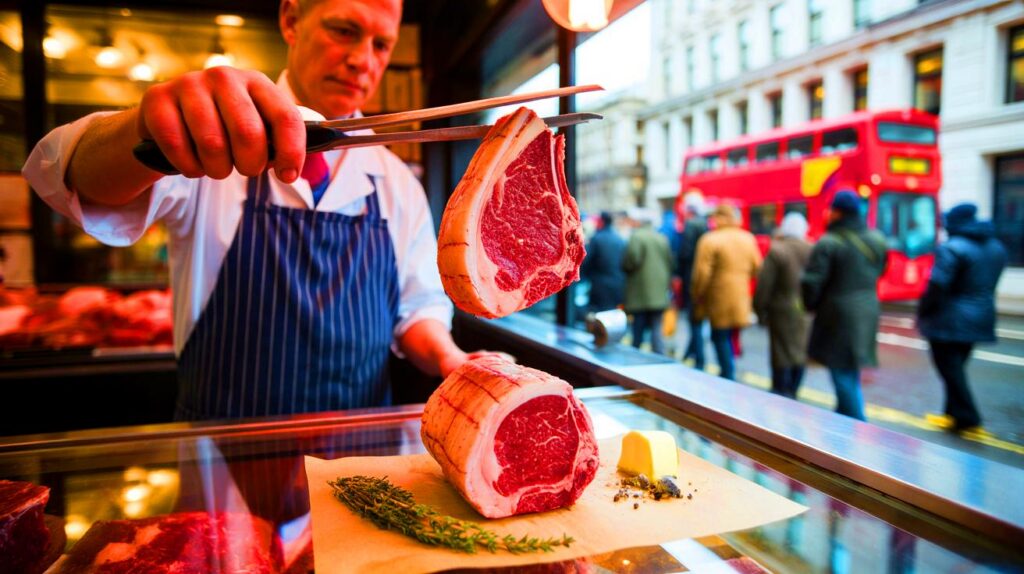
Meat lovers swear by a small, overlooked steak that cooks in minutes and melts like butter, yet rarely appears on counters.
Across the Channel it has a name; in Britain it often hides with the “butcher’s cuts” reserved for those who ask. Supply stays tight, portions vanish fast, and regulars phone ahead. If you want a steak with fillet-like tenderness and deeper flavour, this under-the-counter favourite deserves a place on your list.
What the ‘poire’ is and why regulars rate it
French butchers call it the poire: a small, pear-shaped muscle taken from the inner thigh of the hind leg. It works very little, so the fibres stay fine and supple. A light seam of marbling boosts juiciness, lending more character than many lean prime cuts.
Only about 750 g per hind leg — roughly 1.5 kg from a 700 kg animal — reaches the block. That’s why you rarely see it in the display.
Butchers often group it with the insider favourites: hanger (onglet), skirt (hampe) and spider (araignée). The poire sits at the tender end of that family. Sliced thick for steaks, it sears beautifully. Cut thin for a plancha or wok, it flashes through in seconds. Tied into a mini roast, it stays succulent if you treat it gently.
Where it sits and how to ask without hesitation
The muscle lies inside the haunch, protected from hard work and knocks, which explains the buttery chew. You may need to request it by name and order ahead, because many shops don’t separate it daily.
Be direct at the counter: name the cut, say how you plan to cook it, and ask for a trim that suits the method.
What to say at the counter
- I’m looking for the poire, the small inner-thigh muscle from the hind leg.
- Please trim it clean and leave it ready to cook.
- For pan or grill: cut me a thick, even steak.
- For plancha or wok: slice it thinly across the grain.
- For fondue or skewers: cube it evenly; for a mini roast: tie it neatly.
Fast, hot and juicy: the cooking that flatters the poire
This cut shines with quick, high-heat methods. Keep preparations simple and let the texture speak.
Pan or grill, steak style
- Bring to room temperature for 30 minutes; pat dry thoroughly.
- Season with fine salt 30 minutes ahead (or dry-brine overnight, uncovered in the fridge).
- Heat a heavy pan or grill until smoking; add a high-heat oil.
- Sear 3–4 minutes per side for thick steaks. Flip every minute for even colour.
- Add a knob of butter with thyme and garlic at the end; baste for 30–45 seconds.
- Rest 5–7 minutes, then slice against the grain.
Cook it hot and quick, baste with butter at the end, and serve from rare to medium-rare for the best texture.
Plancha or wok, thin-sliced
- Chill briefly and slice thinly across the grain.
- Marinate lightly (soy, ginger, a drizzle of honey, splash of rapeseed oil) for 20 minutes.
- Stir-fry or plancha-cook on fierce heat for 60–90 seconds in batches.
- Toss with spring onions and sesame; serve immediately.
Mini roast for four, bistro style
Choose a 650–700 g piece, neatly tied. Salt it the day before and leave uncovered in the fridge. Brown it in clarified butter, turning to colour all sides for about 4 minutes per face. Slide into a 180°C oven until the core hits 50–52°C (rare) or 55–57°C (medium-rare). Rest loosely tented for 10–12 minutes. Deglaze the pan with a robust red wine reduction; slice thick and serve with butter-glossed pommes Parisiennes.
Sear each face for around 4 minutes, rest under cover for about 6–12 minutes depending on size, then carve across the grain.
How it stacks up against other butcher’s favourites
| Cut | Where from | Tenderness | Flavour | Best methods |
|---|---|---|---|---|
| Poire (inner thigh) | Inside hind leg | High | Clean, beefy | Quick pan/grill, plancha, mini roast |
| Hanger (onglet) | Diaphragm | Medium | Intense, mineral | Hard sear, serve rare |
| Skirt (hampe) | Plate | Medium-low | Rich, robust | Marinated, quick sear, slice thin |
| Spider (araignée) | Hip, internal | Medium-high | Savoury, sweet notes | Fast sear, rare to medium-rare |
Buying guide: amounts, timing and naming quirks
Plan 180–220 g boneless meat per person for steaks, a little more if slicing thin for sharing. Because the poire is small and scarce, ring a day or two ahead. Ask for it by name; some British shops don’t use the French term and may simply list it among “butcher’s cuts” or fold it into diced beef unless prompted.
Names vary by country and shop. Describe it as the small inner-thigh muscle and ask the butcher to seam it out.
Expect pricing below fillet and closer to premium rump or bavette, depending on trimming and ageing. Dry-ageing adds depth but doesn’t over-tenderise this muscle, which already eats softly when cooked right.
Doneness and safety at a glance
- Rare: 50–52°C core; bright red centre, very juicy.
- Medium-rare: 55–57°C core; rosy, tender, still moist.
- Medium: 60–63°C core; firmer bite, keep rests longer.
As with any whole muscle steak, surface bacteria die with proper searing. Keep the surface dry, use clean tongs, and rest on a warm rack so the crust stays crisp.
Extra tips that make a difference
Seasoning and finishing
- Salt early: 30 minutes to 24 hours improves seasoning and browning.
- Butter at the end: baste briefly to glaze without burning milk solids.
- Herb anchors: thyme, rosemary and crushed garlic complement but don’t overpower.
Slicing and serving
- Always carve across the grain; fibres run lengthways.
- Warm plates and a quick pan sauce keep everything juicy.
- Add a sharp element: pickled shallots or mustard vinaigrette balance richness.
If the poire is sold out: practical alternatives
No luck this week? Ask for hanger or spider for similar personality, or a thick-cut rump cap for a larger sharing piece. For quick wok dishes, skirt works brilliantly if you marinate and slice thin against the grain. Tell your butcher the cooking method first; they’ll suggest the best substitute from what they have.
Planning ahead pays
Phone orders help you secure the poire and specify the cut style—thick steak, thin slices, cubes or a tied mini roast. If you host often, schedule a standing order so the shop puts one aside. You’ll build a relationship, get well-trimmed pieces, and avoid the rush when limited supply hits the counter.
Why this small cut matters for home cooks
The poire gives everyday kitchens a reliable path to tender, richly flavoured beef without long cooking or heavy marinades. It needs heat, salt and a short rest—nothing more. That makes it ideal for weeknights, date nights or a simple Sunday lunch. If you care about portion control, the modest size helps you buy exactly what you need and reduce waste.



Phoned my local butcher this morning and snagged a 700g piece—he called it a “butcher’s cut” and trimmed it clean. Seared 3–4 mins a side, butter/thyme baste, rested 6 mins. Honestly, fillet-level tenderness with more flavour; slices looked like ruby glass and ate like butter. Definitely adding this to the weeknight rotation. Thanks for the clear temps and carving tip 🙂