
The shirt looks sharp, the jeans look sleek, the shoes look new. And yet your back is tight, your breath is shallow, your energy dips by 3pm. Clothes can help you feel invincible — or quietly hold you back. We’ve all had that moment when a belt notch too far turns a normal day into a slow grind. No drama, no rip, no stain. Just fabric shaping your body’s choices without you noticing.
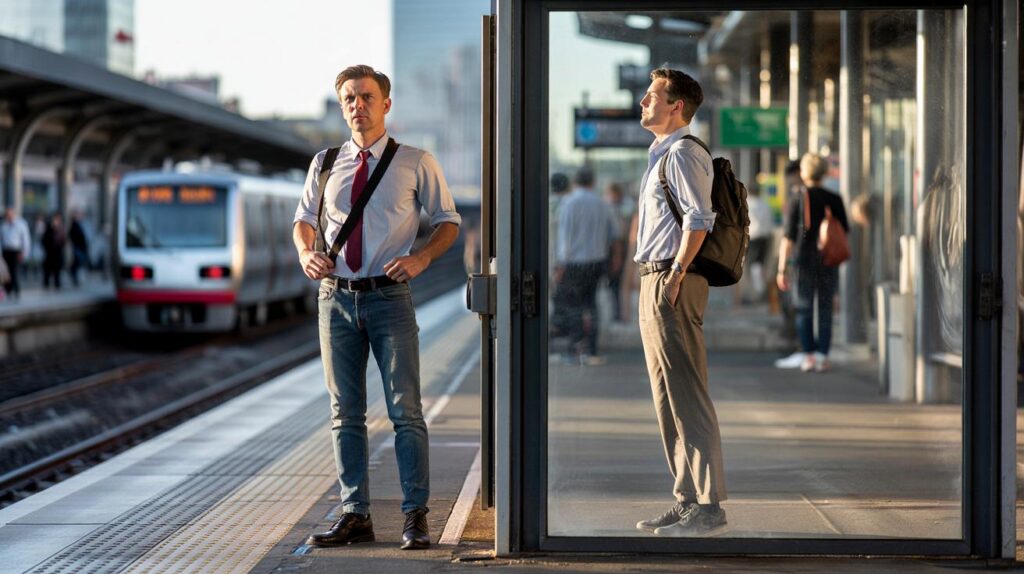
The bus was late, my coffee was fast, and my waistband was unforgiving. On the platform I tried to take a deep breath and hit a wall of resistance right under the ribs. A tie I’d knotted higher than usual pressed just enough to nudge a headache into view. I watched a woman on the escalator discreetly unhook her bra at the back of her jumper, her face relaxing a notch as the elastic let go. I realised my clothes had started managing me, not the other way round. The culprit wasn’t the morning. It was my wardrobe.
Silent saboteurs in your wardrobe
Some garments look harmless and still change how you move, breathe and think. A tight waistband shifts your stance and steals range from your hips. Slim collars and snug ties coax your head forward and your jaw to clench. Shoes with narrow toe boxes trap the forefoot and make your ankles work like hinges instead of springs. None of this screams injury. It just sets your day’s ceiling a little lower.
Take skinny jeans on a crowded train. You stand, knee slightly bent because the denim fights the fold. After an hour, your thigh tingles, so you lean on the other leg and your lower back takes over. At lunch, acid creeps up — that same waistband has nudged your digestion north. One small study even suggested tight neckwear can raise pressure in the eyes. Not dramatic in the moment. Yet these micro-pressures add up.
Why does this happen? Your body runs on space: for blood and lymph to circulate, lungs to expand, nerves to glide. Compress an area and tissues adapt by moving less and recruiting other muscles to compensate. Shallow breathing changes your chemistry and mood. Clamped shoulders tell your brain you’re tense, so you feel more tense. A shoe that narrows your toes stifles balance, so your knees overwork to keep you upright. Restriction steals options.
How to un‑block your wardrobe
Use a quick dressing-room audit. Slide two fingers flat under your waistband and take a slow inhale; if your fingers get pinched, size or adjust. Lift your arms overhead and rotate; sleeves should glide without your shirt yanking your shoulders forward. Do a deep squat in trousers and take three easy breaths at the bottom; if the fabric grabs your hips or your breath goes shallow, you’ve found the limit. Your clothes should pass a 30‑second movement test.
Notice pressure lines on your skin at the end of the day. Grooves from socks, marks from bras, dents from waistbands — all clues. Try a half-size up in shoes and look for extra width at the forefoot, not just length. If you wear a tie, loosen it one button and see whether your jaw unlocks. Switch to softer fabrics on long desk days so your ribs can expand. Let’s be honest: nobody really does meticulous outfit testing every day.
Build a few non‑negotiables into your routine and you won’t need to think much. Prioritise the pieces that touch nerve‑dense areas — ribs, neck, groin — and give them room. Swap heavy shoulder bags for backpacks that sit high and close. Choose materials that move with you, not against you.
“Fit isn’t just a look, it’s permission,” says London physiotherapist Amita Shah. “Permission for your body to breathe, sway, and self‑adjust without asking your clothes for approval.”
- Two‑finger rule at waist, under-bust and collar.
- Breath test: one slow inhale with no fabric fight.
- Squat and reach: trousers and sleeves must glide.
- Toe splay: shoes should let toes fan on the floor.
- Bag check: load sits high, doesn’t saw into traps.
Room to breathe, room to be
Once you notice the small choke points, you start seeing them everywhere. The blazer that makes you hold your breath before a pitch. The leggings that look great but clip your stride half a centimetre each step. Free an inch at the waist and your shoulders drop. Choose a wider last and your balance steadies. **Change a cut and your day changes with it.** It’s not about throwing out style. It’s about clothes that make space for who you are on a Tuesday afternoon, not just who you wanted to be at 8am.
| Point clé | Détail | Intérêt pour le lecteur |
|---|---|---|
| Breath before look | Clothes must pass a calm inhale without pinch at ribs, waist or chest. | Better energy, clearer head, less mid‑day slump. |
| Mobility test | Squat, reach, twist; fabric shouldn’t yank or grip during simple moves. | All‑day comfort without sacrificing style. |
| Foot freedom | Wider toe boxes and flexible soles let toes splay and ankles spring. | Improved balance, fewer aches, smoother walk. |
FAQ :
- How tight is “too tight”?If you can’t slide two flat fingers under the fabric and take an easy breath, it’s too tight for long wear. Red marks that linger longer than a few minutes are another clear sign.
- Are skinny jeans bad for you?Not inherently. The issue is when they limit hip flexion or compress nerves near the thigh. If you feel tingling, numbness or need to adjust constantly, rotate them out for looser days.
- Can shapewear be worn daily?Short stints are fine for most people. Daily, all‑day compression can alter breathing and digestion. Save firm control pieces for occasions and pick lighter support for normal wear.
- Do ties really trigger headaches?A snug collar and tight tie can raise tension in the neck and jaw, which some people feel as a headache. Loosening a button often eases it. A softer, wider collar helps too.
- What’s the best everyday shoe shape?Look for enough width to let your toes fan, with a stable heel and some flex at the forefoot. A thumb’s width in front of the longest toe and visible toe splay are good signs.



Super éclairant. J’ai appliqué la règle des deux doigts ce matin: ceinture trop sérrée, chemise qui tirait aux épaules. En relachant un cran et en desserant le col, j’ai senti mes mâchoires se calemr (qui l’eût cru ?). Moins de coup de barre à 15h et je marche mieux. Bref, style + souffle, je prend!