
When panic rises and words fail, small cues can calm the scene and guide help to where it is most needed.
The latest roadside initiative in Devon and Cornwall leans on that idea, giving drivers and passengers simple tools to say what hurts, who they are, and how to talk to them—without needing to speak at all.
What’s new on your seatbelt
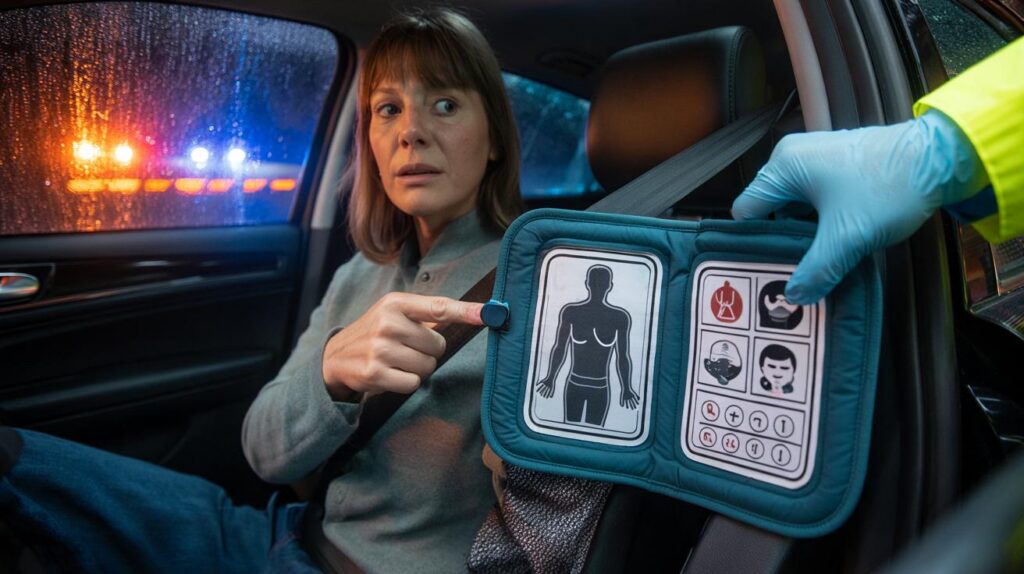
Devon and Cornwall Police is offering free seatbelt covers to people with additional needs, designed to help first responders and bystanders communicate after a collision. The soft, easily attached sleeve holds a fold-out card with personal details and a straightforward system for indicating pain and preferred communication. You can move the cover between vehicles, and it fits standard adult seatbelts.
Free, removable seatbelt covers with a quick-reference card aim to cut confusion and speed up care after a crash.
Who the covers are for
The force says the covers may help people who are neurodiverse, live with a learning disability, or have a medical condition that affects speech or language. They can also benefit anyone who becomes disoriented under stress, including older drivers or passengers who might struggle to process questions in a noisy, frightening environment.
- Drivers and passengers who communicate differently or non‑verbally
- People who rely on visual prompts to express pain or needs
- Carers supporting someone with anxiety or sensory overload
- Family members transporting a relative who lives with dementia or aphasia
How the cover works at the roadside
In a collision, seconds matter. The cover sits on the chest area where responders naturally look first. A helper can open the sleeve, read key details, and use simple body icons to ask the person to point to where they hurt. The card also sets out how to approach communication—slower speech, yes/no questions, visual prompts—so responders can adjust on the spot.
Clear, pre‑agreed prompts reduce delays, lower anxiety, and help responders decide what to do next.
What information sits inside
The supplied insert keeps to essentials. It avoids long paragraphs and favours concise, high‑contrast prompts that remain legible in poor light.
- Name and a preferred contact for emergencies
- Communication notes (for example: “please ask yes/no questions”, “show options with pictures”)
- Simple body diagrams to point at pain locations
- Space for critical medical details that a responder should know
You can update the card as needs change. The sleeve opens in seconds, so swapping in a refreshed card takes no time.
Why it matters in the first ten minutes
Road traffic collisions create noise, shock and confusion. Even people who speak clearly every day can find it hard to answer rapid questions when adrenaline spikes. For those with speech or language difficulties, the barrier grows. A ready-made cue card saves precious minutes and prevents misunderstandings that might lead to the wrong intervention or a harmful delay.
Local leaders point to another critical factor: safe, timely extrication. When responders can confirm pain points quickly and assess alertness, they can plan movement and treatment with greater confidence. That supports safer decisions while crews stabilise a vehicle or prepare a transfer to ambulance care.
Early clarity about pain and needs can influence everything from seatbelt release to spinal precautions and transport choices.
Accessibility built in
The initiative comes with an information video, including a British Sign Language version and subtitles, to show people how to use the cover and fill in the card. The aim is a consistent, easy-to-copy setup so families and carers can adopt the same approach across different vehicles and journeys.
Designed for everyday use
The sleeve’s material is soft to the touch, avoiding abrasion on longer trips. The fastening system grips a standard adult seatbelt but loosens quickly if you need to move it to another car. Because the card sits inside the cover, sensitive details stay discreet unless someone opens it to help.
Where to get one and who pays
Police enquiry offices across Devon and Cornwall will hand out the covers free of charge. The Road Safety Partnership Vision Zero South West funds the programme, alongside the accessible video materials, as part of its push to reduce harm on the region’s roads.
| Item | Details |
|---|---|
| Cost | Free |
| Availability | Police enquiry offices in Devon and Cornwall |
| Designed for | People with additional communication needs (adult seatbelts) |
| Funding | Vision Zero South West |
| Support materials | Instructional video with BSL and subtitles |
Five smart ways to get the best from the cover
- Keep the information current. Update communication notes and key medical details regularly.
- Practise with family. Rehearse “point to the body icon” so it feels familiar, not awkward.
- Carry a spare card. Stash a blank insert in the glovebox in case details change mid‑journey.
- Put a marker on the sleeve. A small sticker can show responders that useful information sits inside.
- Pair with other aids. A medical ID bracelet or phone ICE contact complements, rather than replaces, the cover.
Common questions drivers ask
Is it only for disabled badge holders?
No. The cover supports anyone who finds speech difficult in moments of high stress. That may include people who do not use a Blue Badge.
Will responders know to look for it?
Police and partner agencies promote the scheme locally, and the position on the seatbelt makes it hard to miss. You can also tell family and carers to mention it immediately if they call 999 on your behalf.
Does it replace a medical summary?
It complements existing medical ID. Bring any standard paperwork to hospital, but the cover helps you bridge the vital first minutes before a full handover.
Why this approach stands out
Other symbols and lanyards flag hidden disabilities in shops and airports. On the road, the seatbelt sits front and centre, survives minor impacts, and stays with the person if they cannot reach a bag or phone. That makes it well placed to carry short, action‑oriented prompts that work in noise, darkness and rain.
The choice to give the covers away removes a barrier for families already juggling care and transport. It also signals a broader shift in road safety: design for real‑world stress, not ideal circumstances. A calm, visual cue beats shouted questions every time, especially for someone who needs a beat to process language.
One small sleeve, three minutes of preparation, and a better chance of being heard when it matters most.
If you support someone who finds talking hard when frightened, consider practicing a short drill at home: buckle up, open the sleeve, point to a body icon, and show a helper where to look for communication notes. That rehearsal builds muscle memory you can rely on after a bump or a near‑miss.
Drivers who often swap cars—care workers, shared households, community transport volunteers—can keep a single cover and move it with them. The habit takes seconds and can carry across work, family and social trips, ensuring the same cues show up wherever you travel.



Briliant, low‑cost design. Putting the cue card on the seatbelt—right where responders look—just makes sense. Kudos to Devon & Cornwall Police and Vision Zero South West.
Genuine question: the headline mentions 3 pocket cards—do you supply spares, or should we print extras? Also, how do you protect privacy if the sleeve is opened by the wrong person?