
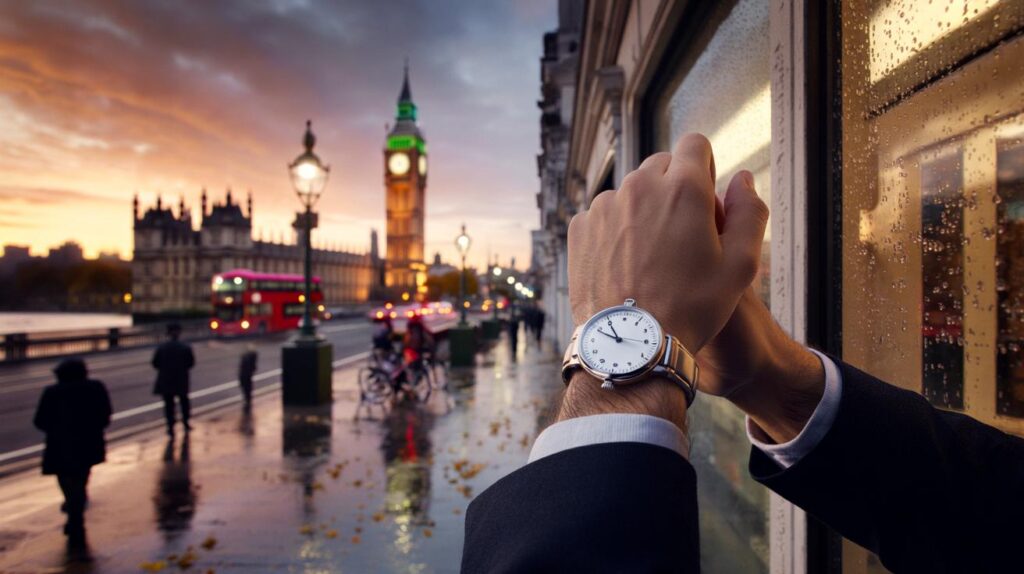
Evenings get shorter, mornings feel slower, and commutes turn dusky. Your body clock and diary won’t be on the same page.
The shift creeps up every October. One small tweak to the time can nudge your sleep, travel plans and after‑work habits. Here is what changes, when it happens, and how to stay ahead of the darker days.
When the clocks go back in 2025
The UK moves from British Summer Time to Greenwich Mean Time on the last Sunday in October.
Exact time and what changes
Sunday 26 October 2025 at 2am: clocks go back to 1am. You gain one hour as the UK switches from BST to GMT.
This shift makes sunrise and sunset occur an hour earlier on the clock. Evenings get dimmer sooner. Mornings get brighter for a while, then shorten as winter closes in.
What daylight saving time actually does
Daylight saving time is the practice of moving the clock forward in spring and back in autumn to align waking hours with natural light. The UK has used it since 1916. The goal has always been simple: make better use of daylight for work, safety and leisure.
Why the UK still changes the clocks
Debate rumbles on. Some argue the change helps retail, outdoor sport and road safety in lighter evenings. Others say the switch disrupts sleep and concentration, with knock‑on effects for health and productivity. The government has no plan to end the clock changes. A 2024 YouGov poll found the public split: 46 percent wanted to keep it, 42 percent wanted to scrap it.
Sunset times you’ll feel from day one
Here is when the sun will set on Sunday 26 October in key UK cities after the change.
| City | Sunset on Sun 26 Oct |
|---|---|
| London | 4.44pm |
| Edinburgh | 4.45pm |
| Cardiff | 4.56pm |
| Belfast | 5.00pm |
| Birmingham | 4.49pm |
| Manchester | 4.48pm |
| Glasgow | 4.50pm |
Expect an earlier dusk on your commute and school run. Street lighting comes on earlier and temperatures drop faster after sunset.
Do you need to change your clocks?
Many devices switch automatically, but not all. A quick check on Saturday night saves confusion on Sunday morning.
- Auto‑update: most smartphones, laptops, tablets, smart speakers, connected TVs and many modern cars.
- Manual: oven and microwave displays, wall clocks, bedside alarm clocks, some car dashboards, heating timers and certain fitness watches.
- Tip: set one reliable device as your “time truth” for the weekend, then adjust everything else against it.
Travel, work and tech: what to watch
Time jumps can trip up routine and logistics. A few checks now can prevent Monday mayhem.
- Trains and buses run to the new time from first service on Sunday. Overnight services may pause or repeat a leg during the 2am change.
- Flights use local time printed on your ticket. Reconfirm departure time and set alarms accordingly.
- Calendar apps may show events differently if guests sit in other time zones. Verify Monday meetings and video calls.
- Medication schedules need care. If a strict interval matters, shift doses gradually by 10–15 minutes across a few days.
- Smart home routines, heating programmes and security lighting may need updates to match the darker evening.
Health and safety tips for darker days
Shorter light affects sleep, mood and visibility. Small habits reduce the shock.
- Protect sleep: keep the extra hour for rest, then set regular bed and wake times. Morning light helps reset your body clock.
- Stay visible: cyclists and runners should check lights and reflective gear. Motorists should clean headlights and windscreens.
- Walk safe: crossings and side roads become harder to read at dusk. Slow down, avoid dark clothing, and use lit routes where possible.
- Mood support: lower light can drag energy levels. Plan midday walks, open blinds early, and consider a daylight lamp if you struggle.
- Kids and pets: shift routines gently from mid‑week. Move meals and bedtimes by 10 minutes a day to ease the change.
When clocks spring forward again
Sunday 29 March 2026 at 1am GMT: clocks jump to 2am BST and the UK returns to longer evenings.
That spring leap trims one hour from the night, so alarms will ring “earlier” by feel. Make a calendar note now to dodge surprises.
Will the UK stop changing the clocks?
Some countries have reconsidered seasonal clock changes in recent years. The European Union discussed ending the practice, but no EU‑wide move has taken effect. The UK has retained the switch and publishes the dates years in advance. Any change would need new legislation and strong public backing, and neither seems close.
What Greenwich Mean Time means for you
GMT sets the UK’s winter time based on the Prime Meridian in Greenwich. Astronomers and navigators used it to standardise timekeeping long before satellites. In practical terms, GMT equals UTC+0. Your phone will show “GMT” from Sunday until the clocks spring forward.
Quick checklist for the weekend
- Charge your phone and confirm automatic time updates.
- Change oven, wall and car clocks before bed on Saturday.
- Review Monday calendar invites, school runs and child‑care timings.
- Lay out lights and reflective kit for evening commutes.
- Nudge bedtime earlier by 15 minutes if you wake very early in bright mornings.
Extra context you can use
Energy planning: the earlier dusk shifts heating demand. Programmable thermostats can waste fuel if they fire up too soon after the change. Re‑set schedules to match when people are actually home, and check radiator valves in rooms you seldom use.
Money matters: off‑peak electricity tariffs often follow clock time, not solar time. If you run washing or EV charging overnight, confirm when the cheaper window starts and ends after the switch so you still catch the best rate.
Out‑of‑hours workers: if you work night shifts that cross 2am on Sunday, confirm pay and hours with your employer. Some contracts count the extra hour differently, and transport home can run on altered timetables.



Extra hour of sleep? Yes please! But 4.44pm sunset in London is a vibe‑killer. Any tips beyond reflective gear to keep evening runs safe—routes, lights, or timing hacks? 🙂