
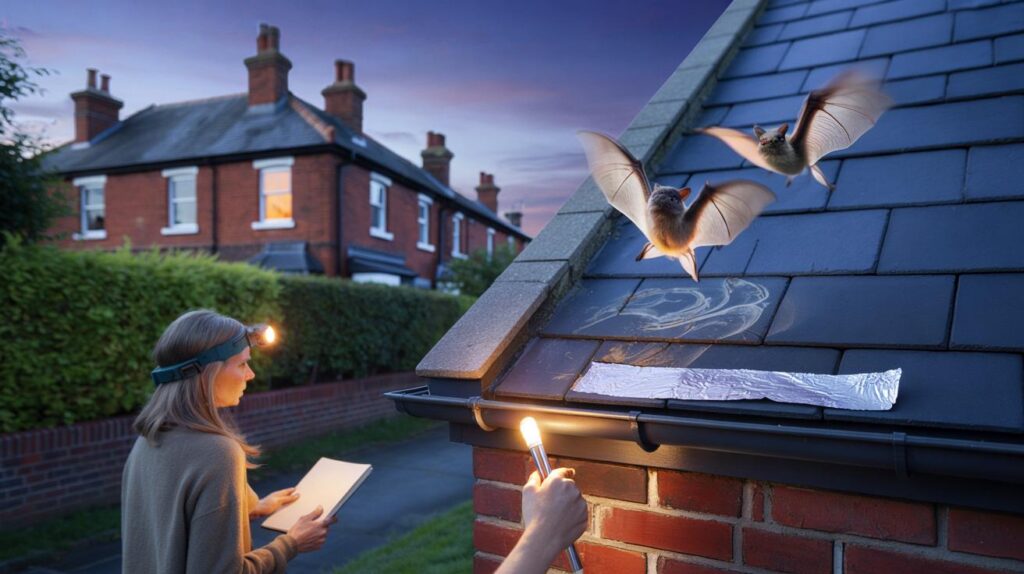
Colder nights are drawing wildlife closer to homes, and quiet roof spaces can hide activity you will not spot at first.
As October sets in, ecologists report a clear rise in bats shifting into lofts and cavities, prompting calls for calm checks at home.
Why October brings bats to your roof
Shorter days reduce insect numbers, so bats switch from summer roosts to places that stay cool, stable and undisturbed. Roof voids, cellars and cavity walls often match those conditions. The fabric of older houses—lifted slates, slipped tiles, open eaves, fascias and soffit gaps—creates perfect entry points. Many species develop strong site loyalty and return to the same roosts every year once they find a safe spot.
These moves often happen now, when temperatures dip but before deep winter. Roosts used for the colder months keep a little moisture, which prevents bats drying out while they rest for long periods. Your house can mimic caves in subtle ways, particularly if ventilation is low and light is minimal.
Bats and their roosts are legally protected in the UK. Do not block holes or remove them yourself. You risk prosecution.
Nine signs you may have bats
Look and listen with care. Small details often reveal far more than a quick glance.
- Faint chittering or squeaking near dawn and at dusk, especially around the eaves or ridge line.
- Crumbly droppings on rafters or insulation that crush to powder and show shiny insect fragments.
- Oily smudge marks on regular flight routes, such as along rafters or around tiny gaps in timber and brickwork.
- A sharp, ammonia-like odour in confined loft areas that lingers after warm days.
- Fine scratch marks on beams and near narrow cracks used as entry points.
- Brief, fast flight around the house at dusk, often tracking along the roof edge before vanishing into a gap.
- Small clusters of droppings beneath ridge tiles or the gable end, sometimes caught in spider webs.
- Insect wing cases or brittle beetle parts beneath likely perches.
- A sudden uptick in night-time rustles in October that does not match mouse activity.
Mouse droppings feel hard and do not crush to dust. Bat droppings crumble easily and lack a strong urine smell on their own. That detail helps you tell the difference without touching with bare hands.
What you should do today
Stay calm and keep notes. Jot down where you think entry points sit and the times you hear activity. Close internal doors to the loft at night to reduce disturbance from household noise. Keep pets away from suspected routes. Use a torch from a safe distance rather than switching on bright loft lighting that could alter the roost’s conditions. Avoid handling anything you find.
Contact a licensed ecologist or your local bat group for guidance. Many groups offer free first-line advice and can tell you whether a survey is needed. They may suggest simple monitoring before any visit.
Free and low-cost checks that keep you within the law
- £0 dusk watch: stand back 20–30 minutes before sunset and note any bat flight paths towards the roof.
- £0 foil test: fix small strips of kitchen foil near suspected gaps to pick up faint rub marks over several nights.
- £0 log: keep a daily record of sounds, smells and timings to help an ecologist assess activity.
- £5–£10 torch or headlamp: use indirect light from a safe position; avoid shining directly into tight crevices.
- £3 tape measure: record gap widths; bats can use slots as small as 15–20 mm.
Do not seal holes or install netting. Blocking access can trap bats inside and break the law. Trained specialists can advise on timing and legal routes for any changes.
If you plan roof work, get bat advice before you lift a single tile. Surveys can take time and keep projects legal.
The law and your renovation plans
UK legislation protects bats and their roosts under the Wildlife and Countryside Act 1981 and the Conservation of Habitats and Species Regulations 2017. Offences include disturbing roosts, obstructing access or damaging roost sites. Courts can impose an unlimited fine and a sentence of up to six months for serious breaches. Building projects that affect roof spaces may require bat surveys, and licensed mitigation if roosts are present. That process needs planning, so prepare early.
Typical routes and indicative costs
| Scenario | Likely next step | Indicative cost |
|---|---|---|
| You hear or see signs in October | Telephone advice from a bat group or ecologist | Often free |
| Minor roof repair planned | Preliminary roost assessment | £200–£500 |
| Evidence of active roosts | Emergence or re-entry surveys (1–3 visits) | £600–£1,200+ |
| Works likely to affect roosts | Mitigation licence and method statement | Project dependent |
Prices vary by region and scope. Many small fixes can wait until a specialist confirms safe timing. Surveys often run between May and September, but preliminary checks can happen year-round.
Are bats dangerous or dirty?
Bats avoid people and rarely enter living rooms or bedrooms. They prefer dark voids and tight cracks. Their droppings are dry and break down quickly. Most householders manage odour by improving loft ventilation once bat use stops for the season. A tiny proportion of bats can carry rabies-like viruses, so you should never handle a grounded bat. If one enters a room, turn off lights, open a window, and step out. It usually leaves within minutes.
Bats eat night-flying insects, including midges and moths. A single bat can consume hundreds each hour. Gardens near water or hedgerows benefit from this natural pest control during warm months.
Make your home less inviting without harm
Plan gentle prevention after expert advice and when roosts are not in use. Seal external gaps with mortar or mesh once a specialist confirms safe timing. Repair lifted slates and maintain fascias and soffits to reduce crevices. Keep ivy trimmed near the roofline, as dense growth can hide entry points. If you need to exclude bats, that work requires a licence and a method that allows animals to leave without re-entry. Only trained professionals can install those one‑way systems legally.
You can also provide alternatives. Bat boxes fixed 4–5 metres up, facing east or south‑east, give shelter away from roof voids. Three boxes at different orientations help bats regulate temperatures across the season. Position them clear of lights and with an open flight path.
Practical checks you can run this week
- Ten‑minute dusk watch on three evenings to map flight routes around your home.
- Quiet loft visit by day to look for droppings, smears and gaps, without touching anything.
- Simple airflow check with a strip of tissue near vents to assess ventilation without draughts.
- Note any planned roof or insulation work and share dates with an ecologist early.
Climate shifts can alter bat behaviour, with milder winters delaying deep torpor and prolonging autumn movements. Expect some flexibility in timing this year. Keep records for a month to help specialists build an accurate picture. Home insurance usually excludes wildlife removal and legal breaches, so proactive checks protect your budget as well as wildlife. A calm, legal approach today avoids costly corrections later.



Brilliant guide—had no idea bat droppings crumble to powder or that older roof gaps are prime entry points. The £0 dusk watch and foil test are definitley useful. Any advice on safe PPE for a cautious loft peek without disturbing anything?