
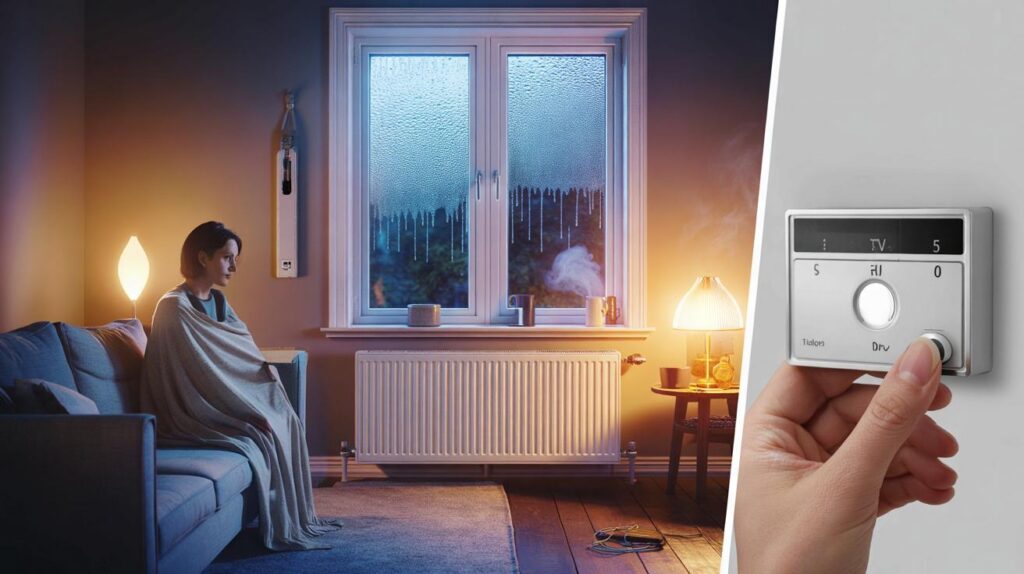
Colder evenings have crept in, radiators are tempting, and households are weighing cost against comfort. Your next move matters more than ever.
With a new chill in the air and bills tightening, many people are asking the same question: keep the heating ticking over all day, or run it hot in short bursts? Martin Lewis has weighed in before, and his core guidance still cuts through the noise.
What Martin Lewis actually recommends
The MoneySavingExpert founder’s message has been consistent: heat your home when you need it, and let the thermostat and timer do the heavy lifting. That keeps energy use tied to demand, not habit. It also helps your boiler run in a way that matches real-life occupancy and comfort.
Heat on when needed, off when not. Use your thermostat and timer to control temperature and time, not guesswork.
Set a temperature you find comfortable and schedule heating for occupied periods. If you head out, turn it down rather than off, especially if someone vulnerable is at home later. For most properties, this approach uses less energy across a day than feeding heat in continually.
Timers, thermostats and the sweet spot
Timers (or programmers) and room thermostats are designed to maintain a set temperature efficiently. They prevent overshooting and reduce wasted heating when a room is already warm. Thermostatic radiator valves (TRVs) add room-by-room control, so you don’t pay to heat spaces you rarely use.
From a comfort perspective, many households set living areas between 18C and 20C when at home. You might choose a lower set-point in bedrooms and hallways. A modest setback (for instance, 14C–16C) while you are away stops the structure getting bone-cold and reduces the energy needed to recover later.
When ‘on low all day’ can make sense
Some heating engineers argue that a constant, low level of heat can reduce condensation in properties that suffer with damp. If your home is prone to moisture, frequent on-off cycles may encourage water to sit cold in walls and fabric. That can increase perceived chill and heat loss.
Homes with condensation, single glazing or uninsulated walls can leak heat quickly and feel clammy after long off periods.
In those cases, gently maintaining a baseline temperature can help prevent moisture build-up. It is not a blanket rule. It depends on insulation, ventilation, and the tightness of your property. If you can improve draught-proofing and airflow, you often regain the savings from timed heating without the drawbacks of running it constantly.
Condensation, ventilation and fabric
Condensation thrives on cold surfaces. You can break the cycle by combining controlled heat with steady ventilation. Trickle vents open, brief window purges after showers, and extractor fans on high do more than you think. If mould is a recurring winter guest, consider a lower constant background temperature and short, timed warm-ups in living rooms to keep surfaces above dew point.
What this means for your autumn bill
The energy price cap means a typical dual-fuel household paying by direct debit is currently around £1,720 a year. From 1 October to 31 December, that typical cost rises by about 2% to roughly £1,755. Your usage still sets the real total. Running heat when you don’t need it pushes the meter, even if the boiler is on low.
With gas the main heating fuel in the UK, savings often come from control, not sacrifice. Smart scheduling, lower boiler flow temperatures on condensing boilers, and properly balanced radiators can trim meaningful pounds without leaving you shivering.
Two approaches, side by side
| Approach | Works best for | Main risks | Controls to use |
|---|---|---|---|
| Timed heating at set temperature | Most homes with reasonable insulation | Cold recovery if set-back is too deep | Programmer, room thermostat, TRVs |
| Low heat all day | Homes with condensation and damp issues | Higher overall gas use if too warm for too long | Low thermostat set-point, ventilation, humidity checks |
Real-world routines that people use
In well-insulated new builds, many households run the heating for short windows such as 6–7am and 5–8pm, with a thermostat around 20C. That gives warmth when needed and cuts unnecessary running. Others prefer a constant background temperature between 15C and 18C, nudging it up in the evening. Both can work with the right controls and property type.
Seven steps to slash waste without losing warmth
- Use a timer: schedule heat only for the hours you are home and awake.
- Set a steady thermostat: 18C–20C when occupied; a modest setback when away.
- Lower boiler flow temperature: for condensing boilers, try 55C–60C on the flow to improve efficiency.
- Bleed and balance radiators: ensure each room heats evenly so you don’t crank the thermostat to fix cold spots.
- Keep radiators clear: move sofas, long curtains and covers that trap heat and make the boiler work harder.
- Seal obvious draughts: letterboxes, keyholes and gaps around skirting can leak costly warmth.
- Ventilate smartly: use trickle vents and extractors to manage moisture without leaving windows on the latch all day.
Why ‘turning it up’ doesn’t heat faster
Cranking the thermostat to 25C will not warm a room quicker if the system is already on. The thermostat is a limiter, not a throttle. Your boiler fires at a rate set by its controls and flow temperature. Set the target you truly want and let the system do the rest. If rooms feel slow to warm, look first at radiator balance and boiler flow temperature, not the thermostat number.
Small settings that make a big difference
Boiler flow temperature matters. Many systems ship with flow set above 70C, which can stop a condensing boiler from condensing most of the time. Dropping to 55C–60C often boosts efficiency while keeping comfort, especially with larger radiators. Test it on a mild day and adjust if recovery becomes too slow.
TRVs let you tame spare rooms and hallways. Set little-used spaces a couple of degrees lower. Keep doors closed to hold warmth where you want it. If one bedroom overheats, turn its TRV down and rebalance rather than lifting the main thermostat.
If your home is damp or draughty
Consider a gentle, constant set-point between 16C and 18C to deter condensation, and run short boosts at peak times. Pair this with reliable ventilation: kitchen and bathroom extractors on high during and after use, and short window bursts to clear moisture. A cheap digital humidity meter will show whether you are keeping relative humidity near 40–60%.
Cold, wet walls feel colder than dry walls. Reducing moisture can make a lower temperature feel more comfortable.
Practical extra checks before the first cold snap
Service the boiler if it’s due, top up system pressure, and check inhibitor if you have a sealed system. Replace tired radiator valves that stick. If your programmer is old, a simple smart thermostat can pay back by avoiding accidental all-day heating.
Want a quick yardstick? Take a meter reading before and after a typical day with your normal schedule. Then try a timed programme with a small set-back and compare. Even a 5–10% reduction across October to December can protect your budget when the typical bill nudges £1,755.



Isn’t this just common sense dressed up? My 1930s semi leaks heat like a sieve; ‘on when needed’ still means the boiler short-cycles. Where’s the data comparing daily kWh for low-all-day vs timed across EPC bands? With the cap putting a “typical” bill near £1,755, I’d like hard numbers, not rules of thumb.