
A flash of red among winter shrubs delights many households, yet familiar garden visitors face hidden dangers and dwindling resources.
Across Britain, robins brighten patios and borders year-round, but pressure on habitats and food means they need practical help from people at home. Simple changes to feeder placement, nest boxes and hygiene can protect these birds and bring them back, day after day.
Why robins need your help right now
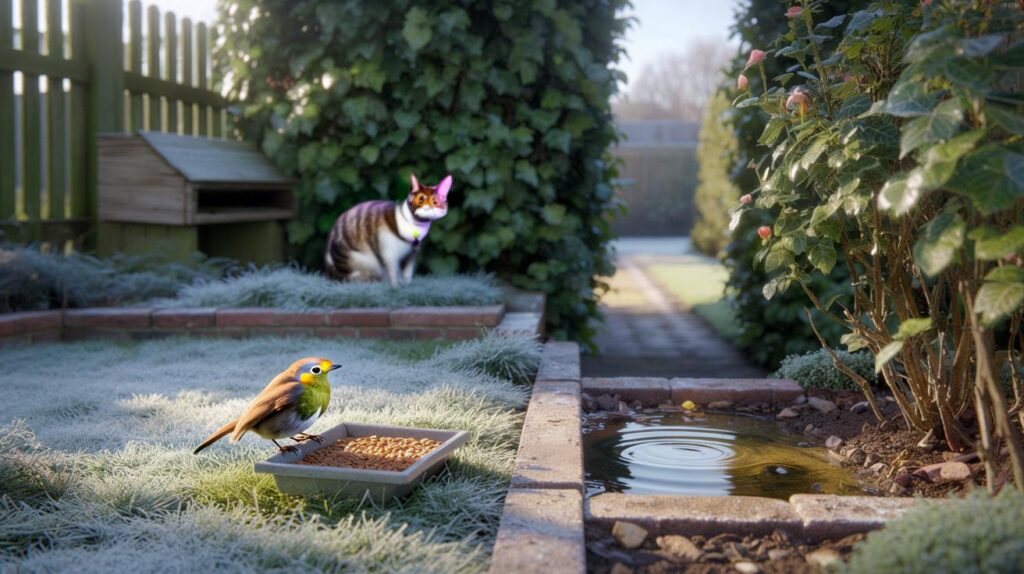
Robins adapt well to gardens, which offer food, shelter and water when wild spaces shrink. Warmer spells, erratic frosts and fewer insects make that support more valuable, especially in late winter when energy reserves run low. Predation risk also rises near hedges and fences, where cats lie in wait. Families can tip the balance by giving robins safe access to food and quick routes to cover.
Place feeders about 2 metres from dense vegetation. That gap deters ambushes yet still lets robins dash for shelter.
Good hygiene matters. Dirty feeders spread harmful bacteria that weaken birds already under stress. Nest boxes help, but only if sited away from prowling cats and maintained once the breeding season ends.
The two-metre rule for safer feeding
Robins linger where they feel secure. Positioning and maintenance make the difference between a fleeting visit and a daily stop.
How to position feeders
- Set ground or hanging feeders roughly 2 metres from hedges, dense shrubs or walls that hide cats.
- Offer a nearby bolt-hole: a thorny shrub, a rose arch or a small tree with airy branches.
- Keep perches short to limit long queues of larger birds that intimidate robins.
- Refresh water in a shallow dish; place it where birds can see around them.
Safety is a layout decision: distance to cover, clear sightlines and clean kit keep robins returning.
Nest boxes that robins actually use
Robins prefer quiet, sheltered spots and dislike harsh glare and driving rain. The simplest rule is to avoid extremes. Choose a calm corner and give fledglings a clear, low flight path to the nearest shrub.
Orientation and upkeep
- Face nest boxes between north and east to avoid the strongest sun and wettest winds.
- Pick a discreet location, out of the reach of cats and away from busy paths and doors.
- Clean boxes in autumn once you are sure they are no longer in use, removing old nesting material.
- Wash feeders regularly with hot water, rinse and air-dry before refilling.
Face boxes between north and east, keep them quiet, and clean them after breeding ends for a healthier start next year.
Food and water that keep robins coming back
Robins like soft, high-energy foods. They hunt insects naturally, so garden offerings that mimic that diet work well. Water, even a shallow tray, matters as much as calories.
Smart feeding choices
- Favourites: dried or live mealworms, suet pellets, grated mild cheese, finely chopped soaked raisins, soft seed mixes.
- Scatter a little on the ground at dawn and late afternoon; top up small amounts rather than leaving a heap.
- Avoid salty scraps, stale bread and large whole nuts that pose choking risks.
- Keep the bird bath shallow with a sloping edge so robins can sip and bathe safely.
Seven actions families can take this weekend
Quick-reference table
| Action | Distance or angle | When | Why |
|---|---|---|---|
| Place feeders | 2 metres from dense cover | Today | Reduces cat ambushes, maintains escape routes |
| Site nest box | Facing between north and east | Late winter | Shields from hot sun and prevailing rain |
| Clean feeders | N/A | Regularly | Prevents harmful bacteria build-up |
| Refresh water | Shallow, visible dish | Daily | Hydration and safe bathing |
| Check nest boxes | N/A | Autumn | Removes old nests and parasites after use |
Keep cats and wildlife safe together
Millions share their homes with cats and love garden birds as well. Small changes protect both. A quick-release collar with a bell warns wildlife. Keeping cats indoors at dawn and dusk reduces hunting at peak bird times. Avoid low, hidden feeding spots that let cats stalk unseen. Raise ground-level food onto trays with clear surrounds, and move anything that acts like a springboard near feeders.
What to watch for in winter and spring
Robins sing boldly on mild winter days to defend territory. They often nest early, and you may see furtive trips under ivy or into thick shrubs as spring nears. If you spot fledglings on the lawn, resist the urge to tidy nearby cover or to feed them from the hand. Parents remain close and lead them to safety. Keep dogs on a lead near hedges during fledging days.
Small spaces, big gains
No lawn? A balcony dish of water and a pot of hardy herbs can help. A planter of rosemary or thyme draws insects, which in turn feed robins on nearby roofs and fences. A single wall-mounted box in a shaded aspect adds nesting options in terrace rows where natural cavities are scarce. If you rent, choose portable feeders with trays to keep neighbours happy.
Make it a family project
Turn care into a weekend routine. Children can measure the two-metre safety gap, note which foods vanish first, and record first song, first bath and first juvenile sighting. That simple log turns into a year-long calendar of wildlife on your doorstep. If you want to go further, join a garden bird count and submit sightings; your data helps track trends that shape future advice.



Great piece—didn’t realise the 2‑metre gap mattered so much. Adding a bell to the cat collar tonite.
So robins want VIP lanes and thorny bolt-holes now? Fine, I’ll move the feeder 2 metres and see if they stop glaring at me.