
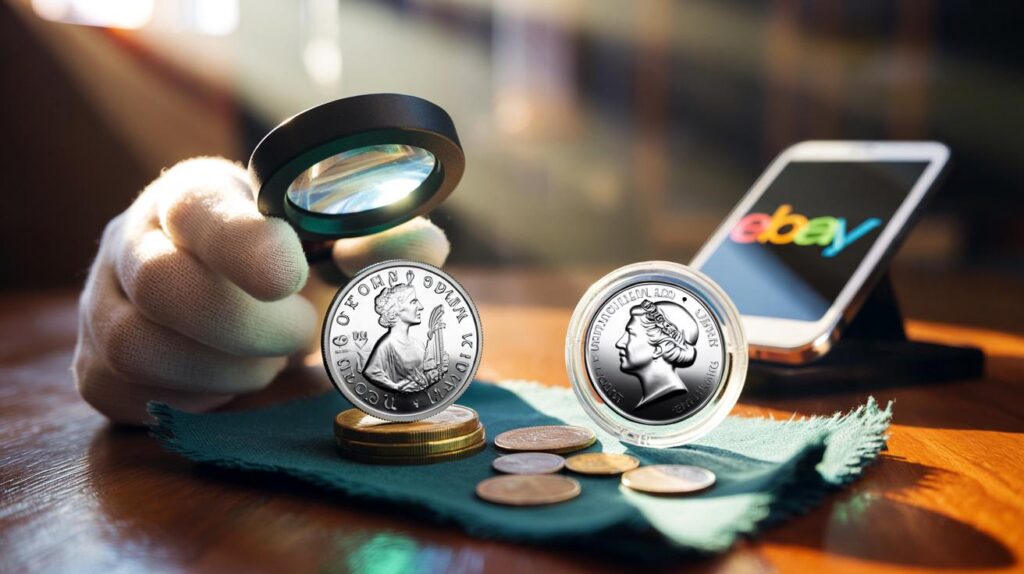
Coin collectors are double-checking their change as a humble 50p piece sparks a nationwide scramble and eyebrow-raising price tags.
Talk of five-figure listings for a small silver-coloured coin has spread fast, with one Oxford seller setting tongues wagging. The coin in question shows Britannia on one side and Queen Elizabeth II on the other, and the seller wants more than £15,000 for it.
What sits behind that five-figure listing
An eBay seller in Oxford has listed a 1997 Britannia 50p for £15,086.68, collection only. That figure is more than 30,000 times its 50p face value. Similar listings on the platform stretch even higher, with some asking up to £50,000 for coins described as rare or special.
The Oxford listing prices a 1997 Britannia 50p at £15,086.68 — more than 30,000 times face value.
| Detail | Listing information |
|---|---|
| Platform | eBay |
| Coin | 1997 Britannia 50p |
| Obverse | Queen Elizabeth II |
| Price | £15,086.68 (best offer invited) |
| Delivery | Collection only |
| Location | Oxford |
Is a 1997 Britannia 50p actually rare?
The 1997 coin marks a turning point for the denomination. The Royal Mint reduced the size of the 50p that year, keeping the long-running Britannia reverse design in circulation. Millions entered everyday use. That history gives the date a talking point, but it does not automatically make a standard 1997 coin scarce.
Collectors value coins for a mix of reasons: low mintage, striking errors, special finishes, and outstanding condition. The routine, circulated 1997 Britannia 50p usually sits at the common end of the scale. A coin fresh from a mint set or one with a recognised error can command more attention and higher bids.
Most 1997 Britannia 50p coins in circulated condition attract modest prices unless an error or premium finish is present.
What can push values higher
- Proof or brilliant uncirculated finish, especially if still sealed in original packaging.
- A recognised mint error, such as a misstrike, off‑centre strike, rotation, or planchet flaw.
- Third‑party grading with a high grade and a reputational boost from a respected service.
- Exceptional eye appeal: crisp details, lustre, and minimal contact marks.
- Desirability driven by set completion, anniversary demand, or a specific variety.
How to check if your coin could be valuable
Start with the basics. Clean hands only, no polishing, and gentle light from different angles. Use a magnifier. Photograph both sides in sharp focus.
- Confirm the design: Britannia seated with shield on the reverse, Queen Elizabeth II on the obverse.
- Look for a wrong planchet feel, noticeable off‑centre strike, doubled lettering, or a rotated obverse/reverse.
- Assess wear: flat high points, scratches, and dents reduce value.
- Check whether your coin came from a proof or mint set; packaging helps verify this.
- Compare with trusted catalogues and established coin forums for known 1997 varieties.
Don’t confuse asking price with selling price
Eye‑catching figures on eBay do not set the market. Sellers can ask whatever they like. Buyers set real value when money changes hands. Before believing any five‑figure claim, filter for completed and sold listings on the platform. That view shows what people actually paid.
Asking prices create headlines; sold prices create value. Always check completed sales before you part with cash.
What many listings leave out
- Independent certification or grading details.
- High‑resolution photographs that show marks, lustre, and edges.
- Clear description of provenance, especially for proof coins.
- Return policy, buyer protection, and insured postage arrangements.
What makes 1997 stand out for the 50p
The date signals the introduction of the smaller, lighter 50p. The redesign made the coin easier to handle and brought it in line with modern vending machines. Britannia remained on the reverse until a later change to the Royal Shield design. The Queen’s portrait on 1997 circulation issues belongs to the familiar era that spanned decades of British coinage.
Because so many were minted for daily use, the year appears often in change. That abundance cuts into rarity, which is why most everyday examples do not climb into triple‑ or four‑figure territory. Sellers who promote ordinary coins with outsized price tags trade on curiosity more than scarcity.
Buying and selling: reduce risk and improve your odds
If you plan to sell, gather evidence before listing. Present sharp photos, mention any packaging, and describe visible marks. If you believe the coin shows an error, seek an opinion from a reputable dealer or a grading service. Accurate descriptions bring serious buyers and reduce disputes.
If you plan to buy, set a budget and stick to it. Compare several sold listings. Ask for additional photos. Use platforms that offer buyer protection and insured delivery. Collection‑only deals can work locally, but they remove shipping protection, so meet in a public place and inspect the coin carefully.
Where five‑figure prices may make sense
Some 50p coins do justify strong money: recognised low‑mintage issues, high‑grade proofs, and well‑documented errors can rise sharply. Those pieces usually come with clear photographs, precise descriptions, and, often, third‑party grading. The 1997 Britannia 50p can reach higher levels if it is a proof example in pristine condition or an unusual error, but the ordinary circulated coin rarely matches splashy listing fees.
A practical way to test the hype
Run a quick personal audit. Pull out any 50p coins you have at home. Sort by date. Pick the cleanest examples and compare them to detailed images from established references. If nothing unusual stands out, treat the coin as a nice keepsake. If you spot a plausible error or an untouched proof, then consider a professional opinion.
The fastest reality check: compare your coin to sold listings and trusted references before dreaming of a windfall.
For readers new to collecting, coin fairs and local numismatic societies offer a friendly starting point. You can handle real examples, ask questions, and build a sense of value without pressure. This route helps you avoid overpaying online and teaches you how to recognise condition, a skill that often matters more than the date on the coin.
Storage also matters. Keep coins dry, cool, and undisturbed. Use inert holders and avoid cleaning. Good storage preserves value, protects against accidental damage, and supports stronger prices if you decide to sell later.



Sold prices > asking prices. Always.