
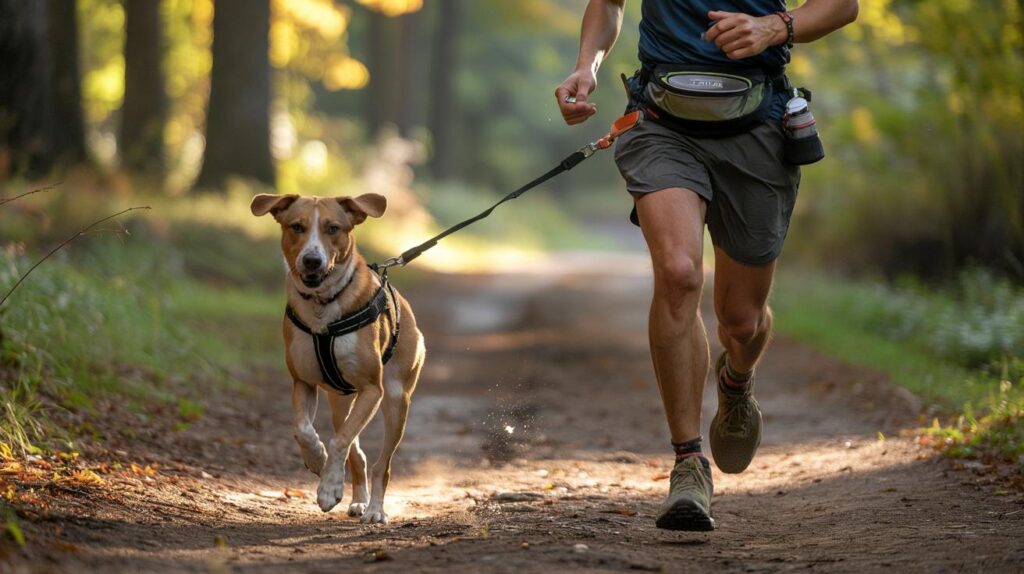
Cooler air, soft trails and wagging tails. Across the country, people are clipping on bungee leads and heading out together.
Canicross is surging from niche to weekend habit, blending running with real teamwork. It looks simple. It isn’t. A safe start needs planning, the right kit and a dog-first mindset. Here is how newcomers can avoid painful mistakes and build a partnership that lasts beyond autumn.
Why autumn gives you a head start
Lower temperatures reduce heat stress, and damp ground softens the impact on joints. Aim for early mornings or evenings when shade lingers. Many beginners find their stride between 10°C and 15°C. Hard tarmac adds strain, so pick forest paths, grass or packed dirt. Keep the first loops short. Leave your personal best at home.
Safety comes from three habits: short sessions, soft surfaces and steady communication with your dog.
Seven starter rules that keep tails wagging
Listen to your dog, not your watch
Enthusiasm varies by dog. Some surge at the first sniff of pine. Others prefer a sofa and a slow stroll. Read body language on every run. Willing pull, relaxed ears and a loose, rhythmic gait signal comfort. Sudden lagging, wide eyes or frantic panting say “ease off”. End while your dog still wants more. That builds confidence faster than one long grind.
- Start with 15–20 minutes including walking.
- Use run–walk intervals: 90 seconds run, 60 seconds brisk walk, repeat.
- Increase total time by about 10% per week, not more.
Get a green light from the vet
Growth plates must close before regular pulling work. Many medium breeds reach that point around 12–15 months, large breeds later. A pre-season check can flag cardiac, respiratory or joint issues. Carry a current weight and body condition score. Extra kilos turn gentle pulling into strain. Ask about a parasite plan if you train on farmland or woodland.
Fit the right kit
House leads and collars do not suit canicross. Pressure on the neck risks injury. A pulling harness spreads load across the chest and ribcage, while a waist belt frees your arms. A bungee line smooths shocks for both of you.
| Item | Recommended spec | Why it matters |
|---|---|---|
| Harness | Traction style, snug, no pressure on throat | Transfers pull to the body, protects airway and neck |
| Waist belt | Wide, padded, low pull point | Distributes force across hips and lower back |
| Bungee line | 1.5–2 metres when stretched | Absorbs jolts, reduces elbow and shoulder strain |
| Footwear | Trail shoes with grip | Prevents slips on wet leaves and roots |
Check fit before every run. A harness that rides up, rubs under the armpits or twists on corners will spoil your dog’s stride. If in doubt, try two sizes and watch your dog move at a gentle trot.
Teach trail cues early
Clear words turn chaos into flow. Pick simple cues and stay consistent: “forward” to go, “easy” to steady, “left” and “right” for turns, “whoa” to stop. Practise on walks first. Reward the exact moment your dog makes the choice you want. Keep sessions under five minutes. Stop before attention fades. On the trail, use a calm voice and repeat once. Shouting adds stress and confusion.
Build a gentle base
Warm up for 5–10 minutes with walking, sniffing and light mobility. Then try three to five run–walk blocks. Finish with a cool-down walk. Two sessions in week one, then three in week two works for many teams. Leave at least one full rest day between runs at the start. Strength work helps: think slow hill walks, rear-end targeting, and balance drills on stable ground.
Manage heat, hydration and terrain
Dogs shed heat less efficiently than people. Over 20°C raises risk fast, even in shade. Choose short, shaded routes, and avoid midday. Offer small sips at breaks rather than a full bowl mid-run. Large volumes after intense effort can upset the stomach. Watch for hard, hot surfaces and sharp flints. Rinse paws after gritty paths, and check for splits between pads. A thin dog coat can prevent minor scrapes on brambles without overheating.
Recover like an athlete
After the cool-down, offer water at room temperature. Wait 30–60 minutes before a meal. Feel along the spine, shoulders and thighs for tenderness. Persistent paw licking, a shortened stride or a head bob on trot means rest and reassessment. Many minor niggles settle with 24–48 hours off and a switch to sniffy walks.
Progress beats pace. If your dog finishes bright-eyed, you are training, not draining.
What beginners get wrong
- Using a flat collar or a retractable lead, which shifts pressure to the neck and encourages jerks.
- Skipping the warm-up, then wondering why the first kilometre feels clumsy.
- Chasing distance instead of building cue reliability and rhythm.
- Running on heat, salt or ice without paw checks before and after.
- Feeding just before a hard session, which increases digestive stress.
Where to try it near you
Local running clubs and dog training groups often host taster sessions with loan kit and short loops. Ask about age rules, vaccination requirements and insurance. Check park bylaws on leads, livestock and wildlife. Expect to start with walking drills, then add one or two gentle pulls on soft ground. A coached hour early on can save weeks of guesswork.
Extra tips that save time and vet bills
Carry a small kit: tick remover, saline pods, vet wrap and a collapsible bowl. Learn a simple body check routine you can do in two minutes: eyes, nose, gums, paws, armpits, inner thighs and tail base. Keep a training log with temperature, route, duration and how your dog looked at the end. Patterns appear fast, and you can adjust before small issues grow.
If running fast is your goal, layer in related activities that build control without load. Canitrekking (power hiking with a belt and line) teaches cues with less impact. Nosework and scatter feeding satisfy natural drives, lowering the fizz that can boil over at a start line. Short hill repeats at a walk improve hind strength without pounding.
A two-week starter plan you can adapt
- Week 1: two sessions. Warm-up 10 minutes. Then 6 x 90 seconds run / 60 seconds walk. Cool-down 10 minutes.
- Week 2: three sessions. Warm-up 10 minutes. Then 8 x 90 seconds run / 60 seconds walk. Cool-down 10 minutes.
Keep cues consistent, routes shaded and surfaces forgiving. If your dog finishes still keen to go again, you are on the right path. The goal is shared movement, not towing. That’s where the magic sits: a safe routine, a stronger bond, and a happy partner who can’t wait for the next trail.



Fantastic breakdown! The simple cues (‘forward’, ‘easy’, ‘whoa’) are exactly what I needed. I’d been running on hard tarmac—switching to soft trails makes sense. The 10–15°C tip explains our sluggish summer runs. And the bungee line advice will save my back. We’re definately starting shorter and ending while he still wants more. 🙂