
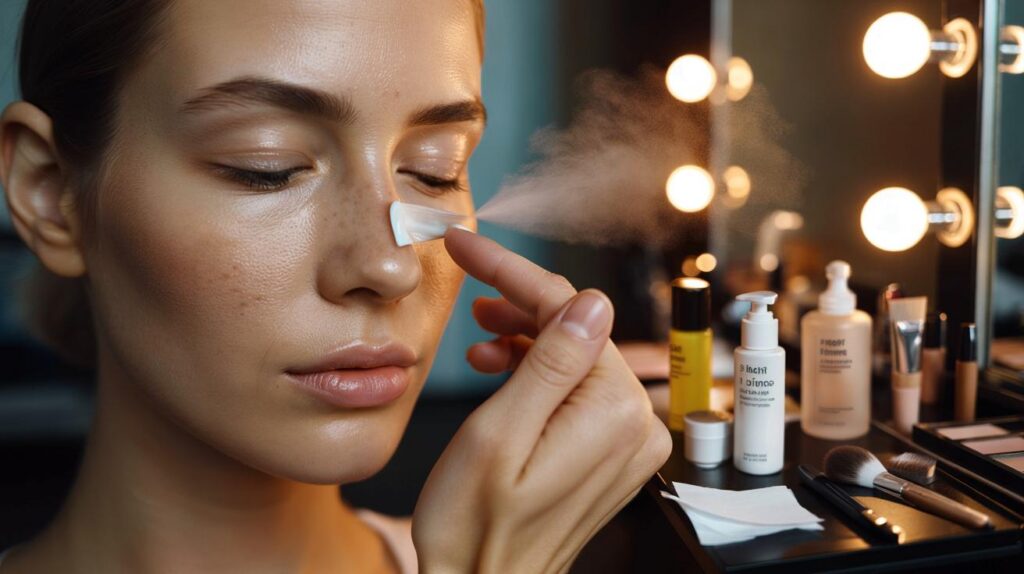
Your face looks polished at 8am and oddly slippery by lunch. The culprit isn’t always your foundation — it’s the step before it. Primer sits in that fuzzy space between skincare and makeup, and when used right, it quietly solves texture, shine, and slip. When used wrong, it pills, smears, and makes everything worse. A pro makeup artist walked me through the method that actually keeps skin smooth all day, without the dreaded mask effect.
Backstage at a studio in Hackney, the air smelled like hairspray and warm lights. The artist, sleeves rolled, moved fast but soft — moisturiser, SPF, then a pea of primer tapped like Morse code across a model’s T‑zone. It felt like watching someone iron out time. He waited, pressed again, and reached for a water-based foundation that matched the primer. The model’s skin looked like skin, only rested. The secret wasn’t the foundation.
Primer, the quiet step that changes everything
Primer is a bridge. It grips base makeup, smooths uneven texture, and tempers oil where shine breaks through first. We’ve all had that moment when your nose looks glossy by 11am and your cheeks look chalky — primer can split the difference without a heavy hand.
I watched a client, Maya, rush in before a late train, cheeks flushed, T‑zone already glistening. The artist warmed a pea of mattifying gel between fingers, pressed it into her nose and chin, and left her cheeks alone. He waited a minute, then buffed thin foundation just where needed. Her base didn’t budge through coffee, wind, and a dash to the platform.
Here’s the logic. Water-based primers pair best with water-based foundations; silicone-heavy primers pair best with silicone-rich bases. Mix them randomly and you risk pilling or patching. Think film layers: skincare, then SPF, then a flexible primer that bonds lightly, then foundation and the rest. Pressing rather than rubbing lets that film set without rolling off.
How to apply primer like a pro
Start with clean, calm skin. Moisturiser first, then sunscreen; give each a minute to settle. Warm a pea of primer between fingertips and press from the centre out — nose, folds, chin, then feather across pores or lines. Under eyes, tap the thinnest veil only if your concealer creases; lids get their own eye primer if you’re doing shadow. Primer is a thin film, not a face mask.
Use different finishes where your face behaves differently. Mattify the T‑zone, keep the cheeks soft, blur what you see in daylight, not what you fear in photos. If you rub, you’ll lift the layer beneath and cause pilling; if you smear too far, you’ll mute your glow. Let’s be honest: no one actually does that every day. So make it easy — small zones, light pressure, sixty seconds of patience between each step.
Texture tells you what to do next, not trends. The artist put it simply:
“Primer should feel like the skin you want, not like a sticker on top. If you can feel it, you’ve used too much.”
- Oily T‑zone: choose a soft-matte gel, press only where you shine.
- Dry or flaky patches: go for hydrating, glycerin or squalane-based, and let it sit.
- Large pores: a silicone blur just on the centre, pressed and rolled, not swiped.
- Redness or dullness: try subtle colour-correcting tints, then sheer base.
- Make it last: tiny amount, matching formulas, patience between layers.
Locking it in for all‑day wear
Think “thin layers that like each other.” After primer, use a light base and build only where you need coverage. Set creases with a whisper of powder, then mist, then a final tap of powder along the nostrils and sides of the mouth. That mist‑powder sandwich gives grip without heaviness. If shine peeks through at 3pm, don’t add more foundation; blot, tap a pinhead of primer over the T‑zone with clean fingers, and refresh with a touch of powder. Your primer should match your base like good friends, not fight it. This is how makeup looks like skin at 8am and still reads like skin at 8pm.
| Key points | Details | Interest for reader |
|---|---|---|
| Match textures | Water-based with water-based, silicone with silicone | Stops pilling, keeps base smooth longer |
| Press, don’t rub | Warm a pea-sized amount and tap into zones | Better grip, less disturbance of SPF and skincare |
| Zone your face | Mattify centre, hydrate edges, blur only where needed | Natural finish that lasts without heaviness |
FAQ :
- Do I apply primer before or after sunscreen?After sunscreen. Let SPF set for a minute, then press on primer so the layers don’t mix.
- How much primer should I use?A pea for the whole face, or even less. Add a rice‑grain to the T‑zone if you’re oily.
- Can primer replace moisturiser?No. Primer adds grip and texture control; moisturiser feeds the skin. Different jobs.
- Why does my primer pill?Formula clash, too much product, or rubbing. Match base types and press instead of swiping.
- Do I need primer daily?Not always. Save it for long days, events, or tricky zones. Use it as a tool, not a rule.



Finally, someone explained primer like it’s a bridge, not glue. I tried pressing a pea across my T‑zone and waiting between layers, and my makeup didn’t melt off by lunch for once. Matching water-based with water-based was the missing piece for me—no more weird pilling. Also loved the reminder to leave cheeks alone if they’re dry; I always over‑mattify. This is definitly going in my routine for long days and weddings.
Question for the pros: Do silicone‑heavy primers actually trap oil and cause breakouts, or is that internet myth? I’m combo and acne‑prone, and every blur primer seems to give me tiny clogged bumps after two days.