
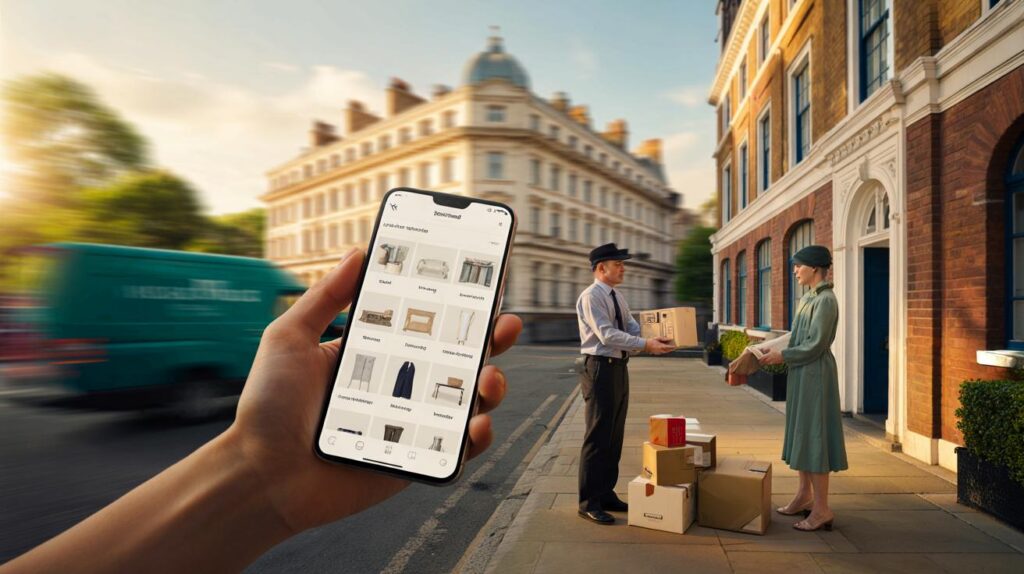
A storied department store name is stirring again, shaped by clicks, couriers and a very different kind of shopfloor.
The return of an old favourite arrives without escalators, mannequins or marble halls, but with strong claims about service, selection and speed.
A familiar name returns in a very different form
Rackhams, a Birmingham retail landmark founded in 1881, disappeared from British high streets when House of Fraser retired the brand around 2000. The name carried weight across the Midlands and the North in the 1970s, after a stint under Harrods’ ownership in the 1950s. Now, after roughly a quarter of a century off stage, Rackhams is coming back as an online‑only marketplace with free delivery as standard.
The company’s leadership says the business is built as a marketplace from day one, not as a bolt‑on to an existing retailer. That matters. Many retailers have grafted marketplaces onto legacy systems, often leaving shoppers to navigate patchy support and sellers to fend for themselves.
Rackhams returns as a pure marketplace: no physical stores, free delivery, and a promise of end‑to‑end support.
From Birmingham icon to digital marketplace
At its peak, Rackhams stood as an anchor in central Birmingham: a place for Saturday outfits, wedding lists and winter coats. Today the plan is more nimble. Rather than buying and warehousing every item, Rackhams aims to curate sellers and brands, handling customer care and standards while partners ship goods.
Mark Jordan, the chief executive, previously scaled an online retailer beyond £100 million in annual revenue. He argues those lessons—speed, data‑led merchandising and tight post‑sales care—will be applied to this relaunch.
What shoppers can expect
The site spans home and garden, fashion, beauty and more, blending premium labels with everyday favourites. The pitch is convenience and clarity: straightforward delivery, visible seller standards and responsive support.
- Free delivery on all orders, with clear delivery windows at checkout.
- A mix of established brands and vetted independent sellers.
- Centralised customer care, including help before and after purchase.
- Emphasis on home, garden, fashion and beauty to start, with scope to add categories.
- Promised quality thresholds for partners, including service metrics and returns handling.
The marketplace model stands or falls on trust: transparent policies, reliable couriers and quick, fair resolutions.
Then and now
| Rackhams then | Rackhams now |
|---|---|
| Flagship department store in Birmingham with regional branches | Online‑only marketplace serving the whole UK |
| Owned stock, in‑store service counters and seasonal displays | Curated third‑party sellers, central customer support, data‑led curation |
| House of Fraser branding after 2000 | Rackhams brand revived under new ownership |
| Footfall depended on local high street health | Delivery‑driven convenience and nationwide reach |
Why the timing matters for the high street
British retail has tilted online, with shoppers leaning into home delivery for everything from sofas to skincare. That shift, plus rising costs for commercial leases and energy, makes a digital‑first return logical for a heritage name. Department stores need scale, freshness and footfall; the internet provides the first two, and a marketplace structure can help with the third by putting more choice in one place.
Brands that tried to bolt a marketplace onto a traditional site often struggled with muddled returns, variable fulfilment and silent sellers. Rackhams is betting that building the marketplace core from scratch will solve those pain points and restore the sort of confidence once conjured by a polished shop floor.
A model tested elsewhere
Debenhams offers a cautionary and instructive example. The brand survives online under new ownership, showing that heritage can carry across to the web—but only if service feels seamless and the product mix stays sharp. Shoppers will judge Rackhams on the same criteria: speed, clarity and consistent quality.
What it means for independent sellers
For small and mid‑sized brands, a curated marketplace can be a shortcut to visibility. If Rackhams invests in partner support and fair fees, it could attract makers and niche labels that want reach without building their own logistics stack. The promise of equal weight for sellers and customers suggests stricter onboarding and ongoing checks, which benefits buyers and credible partners alike.
The risks and the upside
Marketplace sprawl can dilute identity. If everything is on offer, nothing stands out. The way Rackhams curates its front page, negotiates delivery standards and handles complaints will define the brand more than any billboard. On the upside, a marketplace can flex categories quickly, react to trends and add seasonal edits without overstocking.
Practical tips if you plan to buy
Shoppers can give a new marketplace a fair trial while protecting themselves with a few simple steps.
- Check who fulfils your order: look for estimated dispatch times and courier names before paying.
- Read the returns policy line by line: note time limits, return postage and refund speed.
- Pay by credit card where possible for added Section 75 protection on qualifying purchases.
- Compare like for like: confirm model numbers, material specifications and warranty terms across retailers.
- Save order confirmations and tracking numbers until your return window closes.
How this plays into wider retail trends
Department stores once curated a city’s taste; now algorithms and buyer teams do that job online. The trick is to keep the edit human. Seasonal shop‑the‑room presentations can be recreated digitally with styled rooms, bundled offers and clear guides to sizes and fits. If Rackhams pairs those touches with prompt customer support and honest delivery times, it can capture both nostalgia and need.
One to watch will be service metrics—average delivery time, first‑contact resolution and refund turnaround. Publishing those figures, even in broad terms, would set a strong tone of accountability. For now, the revived brand is staking its reputation on a marketplace‑first build, free delivery and a promise that help is there before and after the sale. The next few months will show whether that promise translates into repeat custom and word‑of‑mouth trust.



Rackhams online, after a quarter‑century away? My nan took me to the Birmingham store—now I’m clicking instead of riding escalators. If the free delivery and clear windows actually hold up, I’m in. Nostalgia + convenience = dangerous for my wallet 🙂
Marketplace or not, will you publish delivery time, refund turnaround and first‑contact resolution each month? Promises are easy; transparent metrics build trust. Also, who handles returns postage on mis‑picks—seller or Rackhams? I’ll pay by credit card until I see consistent service.