
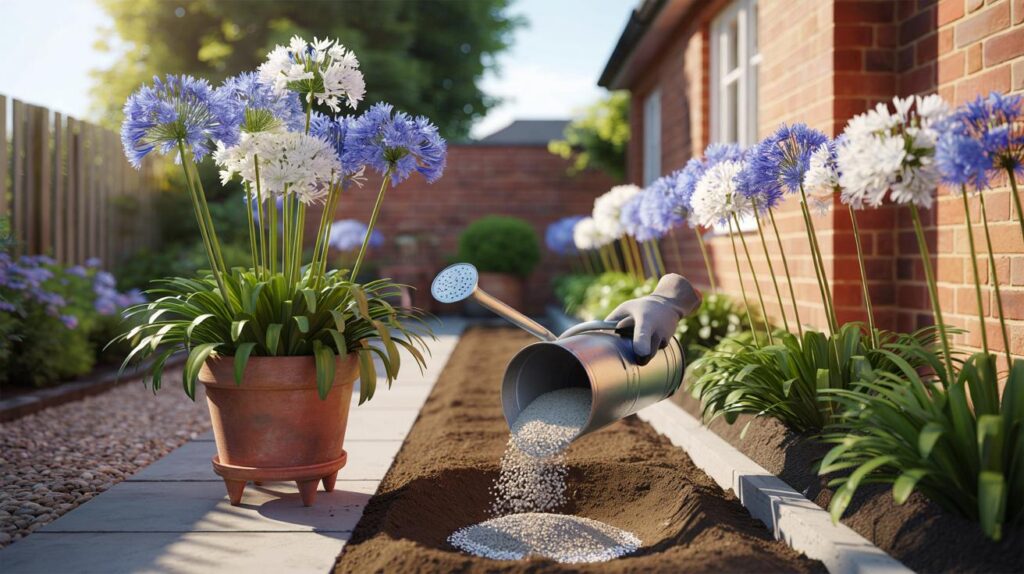
Blue or white spheres on tall stems are back on patios and borders, nudging gardeners to rethink late‑season planting.
As nights draw in and beds look tired, agapanthus promise structure, rhythm and colour without fussy care. Plant them well once, and they repay you for years with summer globes that rise above foliage like fireworks held mid‑air.
Why agapanthus are surging right now
They handle dry spells better than many perennials, fit small spaces, and flower reliably when grown in the right conditions. Early autumn planting suits milder regions; spring suits cooler spots. Either way, focus on sun, drainage and variety choice, and you’ll stack the odds in your favour.
Give agapanthus 6–8 hours of direct sun and sharply drained soil, and they will flower with conviction.
The five golden rules for planting success
1. Pick the right type for your postcode
Agapanthus fall into two broad camps. Deciduous forms drop leaves and shrug off colder winters. Evergreen types keep foliage and prefer a mild, frost‑light season. If you garden where winter bites, opt for hardy strains often sold as Headbourne hybrids. These tolerate deep freezes that would scupper evergreen forms. In milder districts or in pots you can move, compact evergreen selections deliver neat clumps and long flowering.
| Type | Winter behaviour | Best for | Planting depth |
|---|---|---|---|
| Deciduous | Leaves die back | Colder gardens, open borders | Crown 3–5 cm below surface |
| Evergreen | Leaves persist | Mild coasts, movable containers | Shoulders level with soil |
Ask for the plant’s hardiness when you buy. If a label mentions “evergreen” and you garden above the frost‑line, treat it as a container plant you can shelter.
2. Choose sun and shelter, then engineer drainage
Light drives flowering. A bright south or west aspect, out of the worst wind, sets up strong stems and full heads. Heavy soils need work. Blend in coarse grit or sharp sand to the top 25–30 cm. Raise the planting area if water lingers after rain. In pots, pick a loam‑based compost with at least 30% grit and ensure big drainage holes.
The £10 trick: one bag of horticultural grit under each plant and mixed into backfill can be the difference between a show and a sulk.
Wind matters more than you think. Persistent gusts snap buds and stress the plant. A fence, hedge or warm wall gives a microclimate that adds weeks to the display.
3. Plant at the right time, at the right depth
Plant in spring once the soil warms, or in early autumn where frosts arrive late. Space clumps 30–45 cm apart; give big varieties 60 cm. For deciduous types, set the crown just below the surface so shoots can push through freely. For evergreen forms, keep the neck at soil level to prevent rot. Firm in and water once to settle soil around roots.
Pots change the rules. Agapanthus enjoy a snug container. A 25–30 cm pot suits a young plant; move up a size only when roots circle the base. Add crocks or pot feet so winter wet runs away.
4. Water and feed with a light hand
After planting, water weekly during the first growing season if rain misses your postcode. Let the top few centimetres dry between drinks. From late spring to mid‑summer, feed every two weeks with a high‑potash fertiliser to encourage buds. Avoid heavy nitrogen; it bulks leaves at the expense of flowers. Stop feeding once flowers fade.
Mulch borders with bark or gravel in late spring to lock in moisture while keeping the crown airy. In containers, refresh the top 5 cm of compost each spring and replace lost grit.
5. Tidy, protect, divide and repeat
When the show ends, cut flower stalks at the base. This redirects energy to next year’s roots. Leave seed heads if you like their silhouette, but expect fewer flowers the following summer. In frost‑prone areas, spread a dry mulch around deciduous crowns after the first cold nights. Wrap evergreen pots with fleece, or wheel them into a garage, porch or cold greenhouse before hard frost.
Clumps thicken over time. If flowering dips after four or five years, lift and divide in spring or early autumn. Split into sturdy pieces with several shoots each, replant, and water once to settle.
Your quick checklist
- Sunlight: 6–8 hours daily, sheltered from strong wind.
- Soil: free‑draining; mix 30% grit in heavy ground.
- Depth: deciduous 3–5 cm deep; evergreen at soil level.
- Water: weekly in the first season, then when dry spells hit.
- Feed: high‑potash from late spring to mid‑summer.
- Winter: mulch borders; move pots under cover before frost.
- Divide: every 4–5 years to revive flowering.
Design ideas that earn their space
Use agapanthus as a rhythm line along a path, spacing evenly so heads read as a repeating motif. Pair blue heads with pale roses, nepeta or perovskia for cool harmony. White forms lift dusk borders and shine near seating. In pots, three plants in a 40 cm bowl create a drum of colour without feeling crowded.
For small gardens, compact selections deliver height without bulk. One terracotta container on brick or gravel looks crisp, stays warm, and drains quickly. Plant bulbs or low thyme at the rim to hide bare compost and attract pollinators.
Common pitfalls to avoid
Shade halves the flower count. Waterlogged crowns rot. Over‑potting can stall bloom because roots sprawl rather than set buds. Resist the urge to split new plants too soon; let them knit into a clump before you wield the spade.
Seasonal care calendar
- March–April: plant or divide; start potash feeding as shoots extend.
- May–June: keep watering steady in dry spells; stake in windy sites.
- July–August: deadhead as blooms fade, or leave a few for structure.
- September–October: plant in mild areas; reduce watering as temperatures drop.
- November–February: protect pots from freeze; keep crowns on the dry side.
Extra know‑how to keep you ahead
Pests rarely bother established plants, but watch for slugs nibbling young shoots and a tiny fly that can damage buds. If you spot distorted, mushy buds that never open, remove and bin them to break the cycle. Strong air flow and clean debris around the crown help.
Budgeting a project? One 10‑litre bag of grit (about £10) improves drainage for two to three border plants. A roll of fleece (£8–£12) protects a whole patio’s worth of pots across a cold snap. If water restrictions loom, switch to a deep soak every 10 days, then mulch; agapanthus cope far better with that rhythm than with frequent sips.
Curious about flowering chances next summer? Count healthy leaves in late spring. As a rough guide, a clump with 20–30 strong leaves often produces 8–12 stems. Add a fortnightly potash feed and a bright aspect, and you can nudge that higher without chasing growth that flops.



Brilliant guide—finally someone explains deciduous vs evergreen without jargon. I’ve been babying an evergreen on a frosty balcony; will treat it as a container and wrap with fleece this winter. Quick Q: when you say 30% grit in pots, is that by volume? And would you definately choose Headbourne hybrids over compact evergreens for a Midlands garden, or can I chance an evergreen if I wheel it into the garage during cold snaps?