
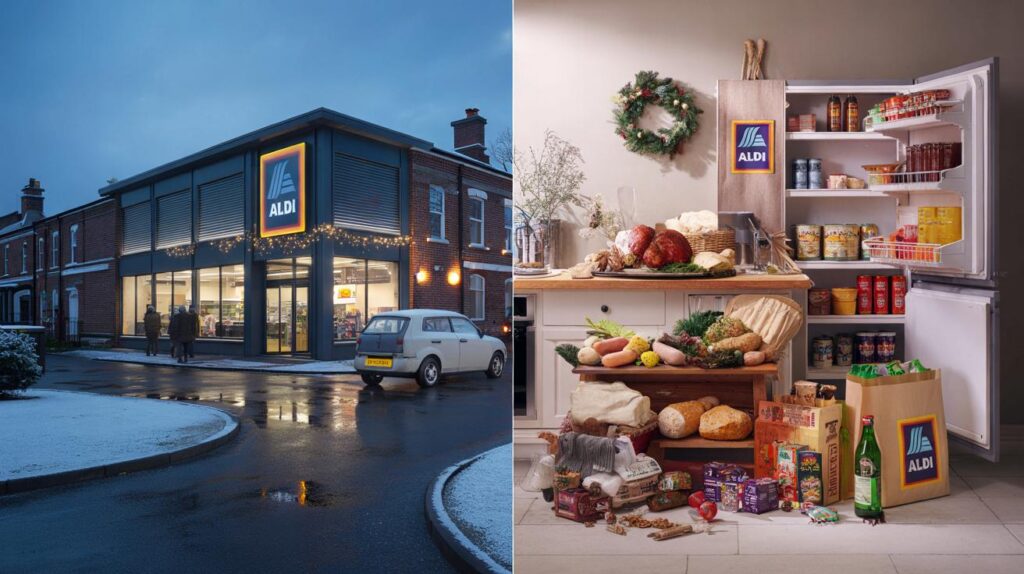
Tinsel, turkeys and travel chaos are coming. Your supermarket rhythm will change, and the calendar will do the talking.
Aldi has mapped out an unusual festive timetable that affects every shopper in England, Scotland and Wales. With more than 1,050 branches, the chain will pause trading on key dates, while extending hours before the break so customers can prepare without last‑minute panic.
What Aldi is changing this Christmas
The discounter will shut every UK store on Christmas Day and Boxing Day, returning on Saturday 27 December. Doors then stay open through to New Year’s Eve, before closing again on New Year’s Day and reopening on Friday 2 January 2026.
All UK Aldi stores will not trade on 25 December, 26 December and 1 January. Normal service resumes on 27–31 December and from 2 January.
The move mirrors the chain’s recent festive practice and reflects its position as the UK’s fourth‑largest supermarket. Extended opening hours are planned in the run‑up to Christmas to help shoppers stock their cupboards, fridges and freezers without overcrowding the aisles on Christmas Eve.
| Date | Status | Notes |
|---|---|---|
| Up to 24 December | Open | Extended hours in many stores; check local timings |
| 25 December (Christmas Day) | Closed | No trading nationwide |
| 26 December (Boxing Day) | Closed | No trading nationwide |
| 27–31 December | Open | Normal trading hours |
| 1 January (New Year’s Day) | Closed | No trading nationwide |
| 2 January 2026 | Open | Normal trading hours resume |
Why the chain is doing it
Senior leaders at Aldi say the plan gives store colleagues protected time at home during the holiday period. The company points to the intense effort that staff pour into December, from handling peak deliveries to managing larger baskets and seasonal ranges. The brief pause aims to repay that push and maintain service standards when shops reopen.
Three non‑trading days spread across the festive period signal a clear stance: prioritise people, then return refreshed for the New Year rush.
The strategy also fits the brand’s consistent approach to Christmas staffing. By announcing dates now, customers get a long runway to plan their food shops, while teams can arrange rotas, logistics and rest days with fewer last‑minute changes.
How rivals are moving
Other value retailers have made similar calls. Home Bargains will shut for three consecutive days over Christmas, closing at 5pm on Christmas Eve and reopening on Saturday 27 December, with an additional closure on New Year’s Day. B&M will not open on Christmas Day but intends to trade on Boxing Day. The direction of travel is clear: more chains are ring‑fencing family time, even as festive sales peak.
How the timetable affects your shop
Two back‑to‑back closures on 25–26 December shift demand to the days just before and just after Christmas. Expect busier aisles on 23–24 December and again on 27 December. Extended hours will help, but popular items can still sell through quickly. Plan for two distinct missions: pre‑Christmas essentials, then top‑ups after the big day.
- Buy long‑life staples early: drinks, tins, snacks, baking ingredients, foil and wrap.
- Pre‑order or pick up frozen centrepieces if you want extra insurance on availability.
- Stagger fresh produce: hardy veg and cheese keep longer; soft fruit and herbs are best bought on 24 or 27 December.
- Think breakfast and leftovers: bread for the freezer, rolls, chutney, stock cubes and gravy aids.
- Check your bag supply, batteries, lightbulbs and cleaning products to avoid emergency trips.
What to check before you set out
Hours vary by location during peak week. Use your local store finder for precise opening and closing times, especially on Christmas Eve. Selected stores offer click‑and‑collect; slots can fill quickly when extended hours apply. Car parks may operate different limits over the period. Bring reusable bags to speed up the checkout and consider a cool bag for longer journeys.
Beat the rush by shopping early morning or late evening on extended‑hours days, and keep a short list for a quick 27 December refill.
Impact on staff, suppliers and shelves
Extra downtime creates space for recovery after a demanding month. Teams can reset merchandising, clear backrooms and prepare reduced‑to‑clear plans for the days following Christmas. Suppliers benefit from predictable stoppages, allowing them to pause dispatches or adjust delivery waves to land on 27 December instead of Boxing Day. That coordination should mean fuller shelves when doors reopen.
What this means for prices and promotions
Seasonal promotions will front‑load into the week before Christmas, with value lines and Specialbuys anchoring endcaps and middle‑aisle space. After the holiday, expect rapid switchovers to New Year ranges, from lighter meal solutions to home‑organisation kits. Shoppers who like yellow‑sticker bargains could find markdowns on festive lines from 27 December, but availability will vary by store.
A quick planning example for a family of four
Imagine a household hosting lunch on the 25th with guests leaving the same evening. A practical split looks like this: bulk‑buy non‑perishables by 18–20 December; pick up spirits, soft drinks and snacks on an evening with extended hours; collect fresh veg, cream and bakery on 24 December; build a short 27 December list for milk, salad, fruit and any missing favourites. This approach avoids cramming everything into one pressurised trip.
Managing waste and budget
Match your shop to actual headcount. Portion calculators help set quantities for meat and sides. Freeze surplus bread and sliced meat in meal‑sized packs. Choose veg that keeps well, such as carrots, sprouts and red cabbage, and add delicate items later. Use a simple rule for treats: one hero dessert and one backup tub or tin. That keeps spend controlled while still feeling generous.
Key takeaways for shoppers
- Three non‑trading days: 25 December, 26 December, 1 January.
- Open as usual 27–31 December; reopening again on 2 January.
- Expect extended hours before Christmas; check your local store for specifics.
- Plan two trips if needed: a pre‑Christmas shop and a 27 December top‑up.
- Rivals are also pausing over the holiday, reducing options for emergency buys.
Keep receipts for any seasonal returns or product guarantees, as windows can differ by category. If you rely on niche items or free‑from lines, buy a little earlier than usual as those ranges can be tighter during peak week. Independent convenience stores may open on 26 December and 1 January, but ranges and prices will differ. A small reserve of essentials at home saves stress when the big shops take their festive break.



Can Aldi confirm if click-and-collect runs right up to 24 Dec and restarts on the 27th? Also, will extended hours differ by region, or is there a central calender I can check?