
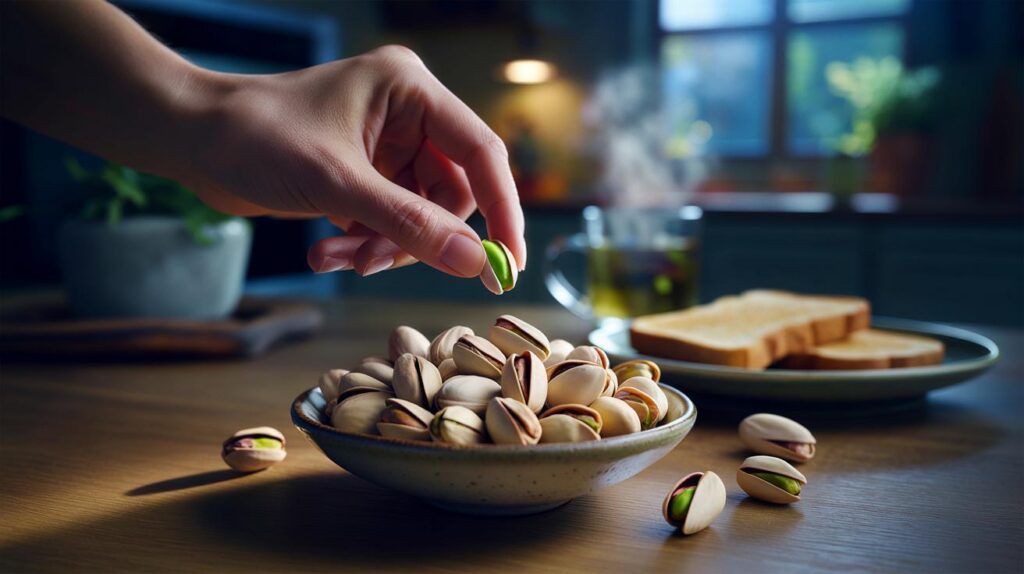
Britain’s pistachio craze hides a quiet twist: a small bedtime handful could shape how your gut works overnight.
New research suggests pistachios may soothe night-time inflammation and nudge immunity, especially if you swap them for toast, biscuits or crisps.
Why pistachios at night may calm inflammation
A US trial of 51 adults found that eating pistachios in the evening shifted gut bacteria in people with pre-diabetes. Researchers saw changes that point to a friendlier microbiome when participants replaced a carbohydrate snack with pistachios. That matters because gut microbes set the tone for inflammation, metabolic control and immune function while you sleep.
The likely drivers sit inside the nut. Pistachios pack fibre and polyphenols that microbes ferment into short-chain fatty acids such as butyrate, propionate and acetate. These compounds help maintain the gut lining, support immune signalling and dial down inflammatory activity in the intestine.
Swap toast for a handful of pistachios at night and you feed microbes that produce anti-inflammatory short-chain fatty acids.
Fat and protein in pistachios slow digestion, pushing more fermentable material into the colon during the long overnight fast. That timing gives bacteria hours to work without interruptions from daytime meals. You also cut the sugar spikes and salt load that arrive with biscuits or crisps, which brings extra relief for the microbiome.
The fibre and polyphenol punch
A small serving delivers around 3g of fibre, a decent step towards the 30g adults should aim for each day. This fibre includes prebiotic carbohydrates that nourish Bifidobacteria and Lactobacillus species, which often thrive in healthier guts.
Pistachios also provide polyphenols, tocopherols (vitamin E compounds) and lutein. Microbes metabolise these antioxidants into bioactive products that can shift the balance of the microbial community. The result often includes more butyrate-producing species, which support a resilient gut barrier and cooler local inflammation.
What the studies show
The 51-participant study, published in July in Current Developments in Nutrition, examined the effects of night-time pistachio snacking. The microbiome moved in a beneficial direction, but the strongest response appeared in adults with pre-diabetes. That pattern underlines how metabolic status shapes the gut’s reaction to food.
A separate paper in 2023 in the journal Foods compared nuts and reported a clear winner for gut-friendly shifts: pistachios. Participants gained more beneficial bacteria relative to other nuts, reinforcing the idea that pistachios offer a unique blend of fermentable fibre and antioxidant compounds.
These findings remain early-stage. Sample sizes were modest, and outcomes varied by individual. Even so, the direction of travel aligns with broader microbiome research: more fermentable fibre, fewer refined carbohydrates and lower sodium tend to support a more diverse, stable gut ecosystem.
Evidence points one way: pistachios beat late-night toast, biscuits and crisps for fibre, antioxidants and microbiome support.
How to build a night-time pistachio habit
- Portion: aim for 25–30g (a small handful in the shell or two heaped tablespoons out of shell).
- Timing: eat 60–90 minutes before bed to avoid reflux and to support overnight fermentation.
- Pick wisely: choose unsalted, dry-roasted or raw; avoid sugar-dusted or chocolate-coated versions.
- Pairing: mix with natural yoghurt or a few berries if you want extra protein and polyphenols.
- Chew well: slower eating aids satiety and reduces night-time nibbling that can disturb sleep.
- Rotate: alternate with walnuts or pumpkin seeds to broaden your fibre and polyphenol intake.
Nutrition at a glance
| Snack (typical portion) | Energy (kcal) | Fibre (g) | Added sugar (g) | Sodium (mg) |
|---|---|---|---|---|
| Pistachios, unsalted, 30g | 170 | 3.0 | 0 | 0–2 |
| White toast (2 slices) with jam | 200–230 | 1–2 | 10–15 | 250–350 |
| Digestive biscuits (2) | 140–160 | 1–2 | 8–10 | 120–180 |
| Ready-salted crisps, 25g | 120–140 | 1–2 | 0 | 120–180 |
Figures are typical values and vary by brand. The pattern stays consistent: pistachios bring fibre with no added sugar and minimal sodium when unsalted.
Who may benefit most
People living with pre-diabetes or raised fasting glucose may see the biggest gains, based on current evidence. A fibre-rich, lower-sugar evening snack helps tame glucose variability and supports a more favourable microbiome overnight. Anyone who reaches for crisps or biscuits most evenings can also cut salt and free sugars by switching to pistachios.
There are caveats. Those with nut allergies must avoid pistachios entirely. People sensitive to FODMAPs may notice bloating at higher portions because pistachios contain fermentable carbohydrates. Start with a small handful and assess your response. If you have a history of kidney stones, seek personalised advice, as nuts contribute oxalates in varying amounts.
Energy still counts. A nightly 30g portion adds roughly 170 kcal. If weight loss sits on your plan, adjust dinner or daytime snacks to keep your total in check.
The bigger gut-health picture
No single snack fixes the microbiome. Diversity matters. Aim for a wide range of plants each week—grains, legumes, vegetables, fruits, nuts, seeds and herbs. Pistachios can anchor your evening routine while fermented foods at lunch and colourful vegetables at dinner push your gut community towards resilience. Regular sleep, movement and stress management amplify that effect.
Consider a seven-night swap. Replace your usual evening crisps or biscuits with 30g of pistachios every night. Keep a simple log: note sleep quality, morning hunger, bloating and bathroom habits. If you wear a glucose monitor, watch for a steadier overnight line compared with carb-heavy snacks.
For extra mileage, combine pistachios with protein and polyphenols. A bowl of natural yoghurt with crushed pistachios and a sprinkle of cinnamon slows digestion further, boosts microbiome-friendly substrates and trims late-night sugar hits. That small shift can translate into calmer mornings and fewer spikes the next day.



51 people? Hmm, cautious.
So I’m supposed to serenade my Bifidobacteria while cracking pistachios at 10pm? If it truly dials down inflamation, my midnight nosh finally has a legit purpose.