
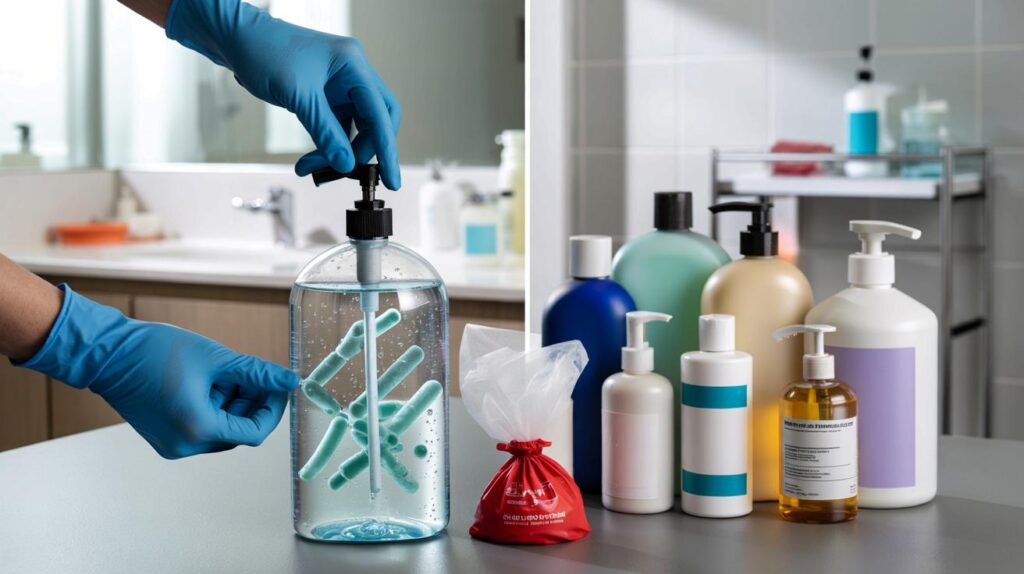
Your morning wash might not be as harmless as it seems, especially for vulnerable people, with new concerns over everyday toiletries.
DermaRite Industries has widened a safety recall to cover dozens more personal-care items after tests found contamination with Burkholderia cepacia, a hard‑to‑treat bacterium that can endanger people with weakened immune systems. The expanded action now spans 32 brand names across soaps, shampoos, deodorants, lotions and hand sanitisers distributed in the United States and Puerto Rico. No illnesses have been reported, yet clinicians warn the organisms involved can trigger severe infections and sepsis in high‑risk users.
What has been recalled
The July recall focused on a small group of antiseptic cleansers. The company has now added 28 brand names, covering scores of formats used at home, in care homes and in hospitals. Items include bottle pumps, foams, gels, tubes, and bag‑in‑box dispensers.
Do not use recalled products if you are immunocompromised or caring for someone who is. Set them aside safely and check labels.
Brands and lines affected
- Early recall lines: DermaKleen, DermaSarra, KleenFoam, PeriGiene.
- Newly added families commonly seen in facilities and homes: DermaVera, DermaRain, DermaKlenz, DermaDaily, GelRite, Hand‑E‑Foam, San‑E‑Foam, TotalBath, TotalFoam, PeriFresh, Renew, Lantiseptic, UltraSure Deodorant, McKesson Skin Protectant, Whirlbath Balance and others.
- Formats: body wash, perineal cleansers, skin protectants, foaming cleansers, deodorant sprays, shampoos, lotions and hand sanitisers.
Packaging often lists expiry dates through August 2027. Some healthcare packs carry alphanumeric codes such as 00100BB, 00107F, 00110BB, 0020BB, 0025BB, 0049BB and 0090BB. Check both the brand and any lot or “bag‑in‑box” code before deciding what to do next.
| Category | Examples on labels | What to check |
|---|---|---|
| Hand hygiene | GelRite, Hand‑E‑Foam, San‑E‑Foam, KleenFoam | Brand name, size, any code like 00100BB; expiry up to Aug 2027 |
| Body wash/shampoo | DermaVera, TotalBath, Renew 8oz shampoo/body wash | Bottle or bag‑in‑box markings; 7.5oz, 800ml or 1000ml formats |
| Skin care | Lantiseptic lines, DermaCerin, PeriGuard, McKesson Skin Protectant | Tube/jar sizes; packet sachets 5g or 14g; batch/lot identifiers |
| Perineal cleansers | PeriFresh, PeriGiene | 7.5oz bottles, gallon jugs, or bag‑in‑box; date through Aug 2027 |
| Deodorant | UltraSure Deodorant Pump Spray 4oz | 4oz pump, item numbers on carton or case |
Why it matters for vulnerable people
The culprit is the Burkholderia cepacia complex (Bcc). These bacteria thrive in moist settings and can persist in water‑based products. They pose the highest risk to people with compromised immunity, including patients with cystic fibrosis (CF), those undergoing cancer treatment, people with severe burns, and some with sickle cell disease.
CF patients are at particular risk. Around 40,000 people in the US live with CF, with roughly 1,000 new diagnoses each year, most in very young children. Bcc can colonise the lungs and is notorious for resisting many antibiotics. In some cases it triggers “cepacia syndrome”, a rapidly progressing pneumonia with a high fatality rate. Clinicians estimate that about one in five CF patients who carry Bcc may deteriorate to severe disease, including bloodstream infection.
Bcc can survive in liquids, evade common antibiotics and spread via droplets from coughs or sneezes, as well as contaminated surfaces and equipment.
How infection spreads
- Person to person: respiratory droplets, especially in close settings.
- Environment: sinks, humidifiers and damp surfaces at home or in clinics.
- Devices: contaminated dispensers or tubing, if sterilisation is inadequate.
What you should do now
If you have any of the listed brands or formats, take these steps immediately.
- Stop using the product. Isolate it from daily supplies, especially in homes with clinically vulnerable people.
- Check the label for brand, size, and any lot or bag‑in‑box code; compare against recall notices.
- If bought for a care setting, alert your manager or infection prevention team at once.
- Dispose of affected products according to local advice or retailer instructions. Do not pour large volumes into sinks used by vulnerable people.
- Clean and dry storage areas, pumps, and any reusable dispensers before replacing stock.
- If you or someone you care for develops symptoms consistent with infection, contact a clinician promptly.
Signs and symptoms to watch
- Fever, chills, fatigue or a sudden drop in blood pressure.
- Breathing difficulty, cough, chest pain or a new wheeze.
- Worsening sputum or lung function in people with CF.
- Redness, warmth or discharge at skin sites exposed to a product.
Treatment context clinicians are using
Bcc often withstands first‑line antibiotics. Some regimens combine agents such as co‑trimoxazole (Bactrim), meropenem or ceftazidime, delivered orally and intravenously. Treatment plans are tailored, and response can be unpredictable. Early clinical assessment improves the odds of controlling infection, particularly in CF or oncology patients.
Guidance for hospitals and care homes
- Quarantine suspect stock, including partially used containers and wall‑mounted cartridges.
- Document brand, size, lot and location; segregate waste for safe disposal.
- Switch to alternative, approved products with clear sourcing and batch traceability.
- Audit humidifiers, sinks and wet areas; disinfect and ensure proper drying protocols.
- Reinforce droplet and contact precautions on wards with CF, oncology or burns patients.
Facilities should examine inventories and destroy affected products. Keep records for suppliers and regulators, and brief staff caring for immunosuppressed patients.
Key context and extra checks for UK readers
The recall is US‑based, covering products shipped across the United States and Puerto Rico. UK readers who buy American healthcare or personal‑care brands via online marketplaces, travel kits or private importers should still check their bathroom shelves. Look for the brand families listed above, US‑style bottle sizes (4oz, 7.5oz, 16oz, 800ml, 1000ml) and expiry dates through August 2027. When in doubt, set the item aside and seek retailer guidance.
Reducing risk in everyday routines
- Choose reputable suppliers and retain receipts or order emails to aid batch tracing.
- Prefer single‑user bottles at home rather than shared pump dispensers.
- Keep bathrooms ventilated and dry. Empty and disinfect humidifiers regularly.
- For vulnerable users, favour fragrance‑free, medically reviewed products and mark opening dates on the label.
What this recall tells us about product safety
Water‑based personal‑care items can be vulnerable to contamination if any step in manufacturing or filling falters. Bcc is a known challenge because it survives in aqueous solutions and can form biofilms inside equipment. That is why bag‑in‑box hospital formats and bulk dispensers receive special scrutiny. Traceable lot codes and clear expiry dates help manufacturers and regulators act quickly when a problem emerges.
For households, one practical habit makes a difference: separate the toiletries of immunocompromised family members, store them dry, and replace them promptly if a bottle looks discoloured, smells off, or has an unclear label. Small steps cut exposure while supply chains work through recalls and replacements.



Thanks for the heads up—super clear guidance. I just found a Hand‑E‑Foam bottle (800ml) in our care home supply with code 00107F. For families with immunocompromized members, please separate suspect items, clean the dispensers, and call your clinic if symptoms show. Appreciate the detail about not pouring big volumes into sinks; that’s a tip I wouldn’t have thought of.