
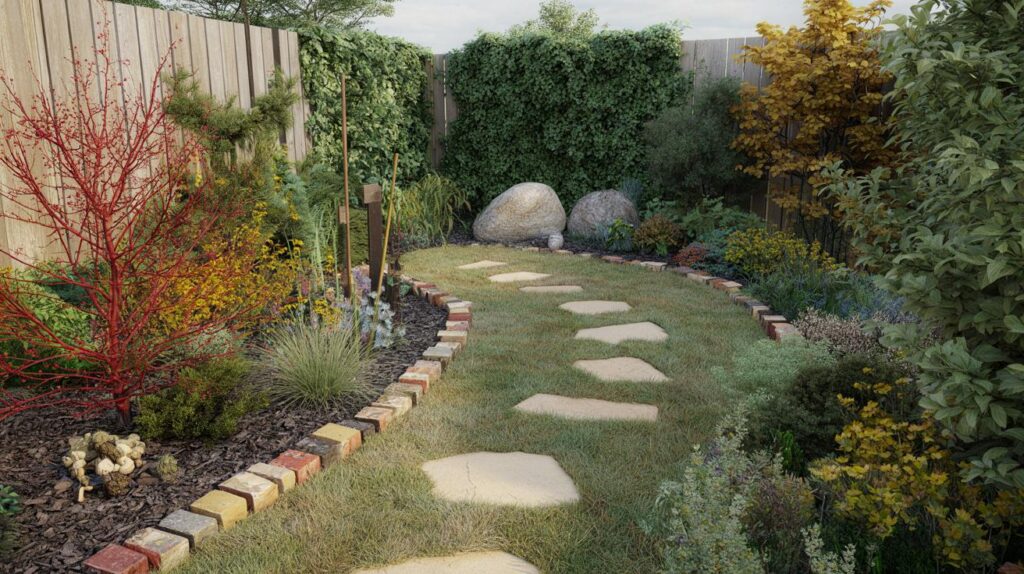
As nights draw in and lawns turn dull, a small seasonal tweak can restore shape, texture and calm to tired plots.
Across Britain, a growing number of gardeners are reframing autumn as a design month, not a dead zone. The move costs nothing: blend tough local plants with reclaimed stone and scrap metal to set crisp lines, deepen contrast and make every remaining leaf look deliberate.
The overlooked fix that costs nothing
When borders sag and perennials fade, structure does the heavy lifting. Use what you already have. Native shrubs and late-flowering stalwarts hold form. A few found stones or offcuts mark edges and paths. Together they create a strong frame that reads well in low autumn light.
Pair locally adapted plants with reclaimed stone or metal to create instant structure, contrast and a sense of intent.
Think of it as a reset. You are not buying plants or ornaments. You are tightening lines. You are giving seedheads a backdrop. You are guiding the eye.
Why native and locally adapted plants carry autumn
Plants that match your soil and climate keep going when showier imports bow out. They need less fuss, shrug off cold snaps and still feed wildlife. Seedheads and berries add texture and movement, while evergreen silhouettes anchor the scene.
- Dogwood (Cornus) for vivid stems that blaze when leaves fall
- Spindle (Euonymus europaeus) and hawthorn for berries and structure
- Blackthorn and mixed hedging to shape boundaries and shelter birds
- Holly and ivy for reliable evergreen backbone
- Sedges and meadow grasses for height, sway and winter silhouettes
- Michaelmas daisy, yarrow and knapweed for late nectar and long-lived seedheads
Leave seedheads standing. They feed finches and provide frost-catching shapes. Underplant with evergreen groundcovers so gaps never look bare.
Stones, steel and scraps: shaping borders for free
You likely have more materials than you think. A few weathered bricks, a stack of roof tiles, rubble from an old path, or spare rebar can do the job. Dry stone laid low forms neat lips around beds. Offcuts of steel create lean, modern lines. Both bring contrast to soft planting.
- Lay a single row of reclaimed bricks to define a path bend
- Edge a border with fist-sized rocks to stop mulch creep
- Tap short steel rods into the ground to guide a climber or mark a curve
- Set irregular paving pieces as “stepping islands” in thin grass
You do not need a shopping trip. Start at your shed, under your deck, or by the compost bay and reassign dormant materials.
Dry-stacking works well on level ground. On a slope, key stones into the soil and batter walls slightly back for stability. Wear gloves and test edges for wobble before stepping away.
A seven-day reset you can start tonight
Short, focused bursts make visible change. Aim for 15–30 minutes per day. Build structure first, then layer detail.
| Day | Task | Materials | Visible change |
|---|---|---|---|
| 1 | Walk and mark lines with string or flour | String, pegs, chalk or flour | Clear edges and a plan you can follow |
| 2 | Collect stones, bricks and metal offcuts on site | Reclaimed rubble, tiles, rods | Piles ready for borders and steps |
| 3 | Edge one bed fully and set two stepping stones | Bricks or rocks, level, sand or soil | Sharp outline and a guided route |
| 4 | Lift and divide one clump; replant to repeat shapes | Spade, bucket, mulch | Rhythm and balance across the bed |
| 5 | Stale tidy: snip flops, keep seedheads, tie into supports | Secateurs, twine, stakes | Taller structure stands clean and upright |
| 6 | Mulch paths with leaf mould; top-dress beds lightly | Leaves, woodchips or old compost | Darker lines and moisture retention |
| 7 | Add two focal stones and three evergreen plugs | Found stones, spare evergreens | Anchors that hold the eye through winter |
Leaf-fall, light and the art of contrast
Use fallen leaves as free material. Shred with a mower and lay thinly on beds to darken soil and frame stems. Bank leaves in a mesh cage for future mulch. Contrast matters under low sun. Pale stone against dark mulch. Red dogwood against grey slate. Fine grasses against solid steel.
Contrast is your autumn currency: rough stone, smooth steel, glossy ivy, papery seedheads and a darkened soil line.
Keep height changes deliberate. Step from lawn to border to shrub with a clear notch at each level. Repeat shapes. A curve in the path echoes a curve in the bed. The eye relaxes and reads order even when flowers fade.
Free sources you can tap this weekend
- Ask neighbours for spare bricks or tiles left from works
- Check community swap groups for rubble and steel offcuts
- Lift edging stones from under hedges and reassign
- Split overgrown sedges or ivy from one corner to three
Keep it local. Materials weather in, and colours match your soil. That coherence makes small spaces feel designed rather than patched.
What to watch for
Free does not mean careless. A few checks save headaches and harm.
- Never remove stone from the countryside without permission; it can be protected
- Wear gloves and eye protection; rusty metal can cut, and heavy stone can bruise
- Avoid invasive plants when swapping; stick to known natives and well-behaved ornamentals
- Test drainage before stacking; do not trap water against timber structures
- Leave access for hedgehogs and amphibians; small gaps in borders help wildlife move
Why this works in low-cost times
Budgets tighten, but gardens still ask for care. Structure offers value. Edging reduces mowing time. Mulch cuts watering. Native plants seldom sulk. Dry stone homes beneficial insects that keep pests in check. Each step multiplies returns across the season.
Try a quick audit. Count three plant shapes you can repeat, three places for a stone or tile, and three lines you can sharpen this week. Small sums add up. Fifteen minutes a day across seven days equals a clean frame that carries your plot through winter.
Further ideas to extend the gains
Trial a mini rain gauge and note weekly totals. Group thirsty plants where downpipes discharge and pick drought-hardy, deep-rooted species for the rest. As frost arrives, switch to silhouettes: cut back only what flops, keep anything that stands and catches rime. Photograph beds at 8am and 4pm to see how low sun paints edges. Adjust stone and steel so the light strikes the surfaces you want to highlight.
For balconies and courtyards, scale the same approach. A narrow steel strip pins a pot cluster. A single stone slab under a container turns it into a focal piece. Ivy and carex bring evergreen weave. One red-stem dogwood cane in a tall pot delivers a winter beacon. The recipe stays the same: strong lines, repeated shapes, and materials you already own.



Just tried the ’15 minutes a day’ idea this week and wow—edging one bed with old bricks instantly made the dogwood stems pop. I didn’t buy a thing, just raided the shed and a pile of tiles. The focus on structure over flowers is such a relief. Any recs for evergreen groundcovers that won’t smother bulbs? Zone 8, dampish soil.