
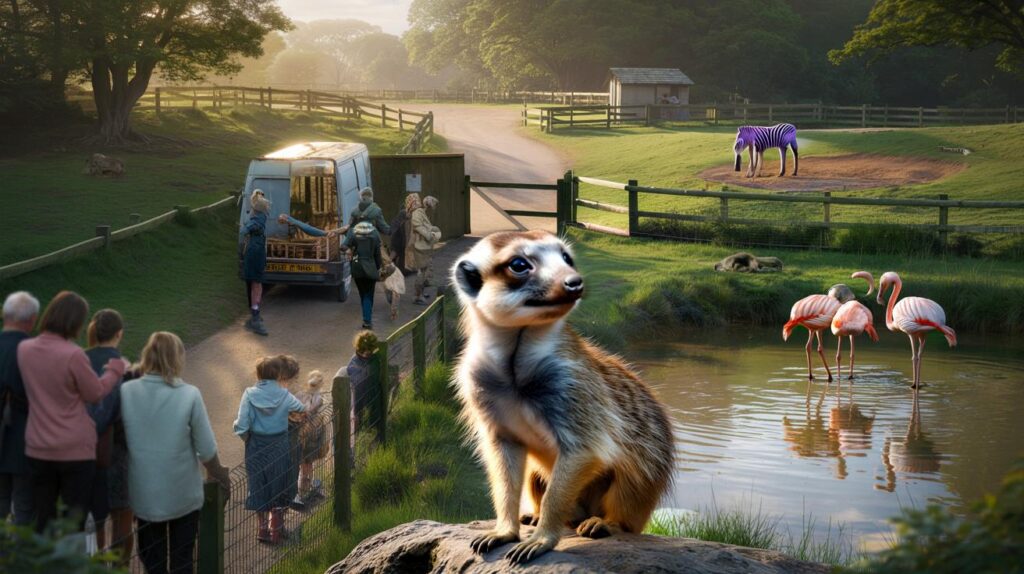
A beloved corner of East Devon is bracing for a moment of change, stirring memories for families and regulars alike.
Axe Valley Wildlife Park, near Axminster, has announced plans that will reshape weekends for many, ending a 17-year chapter. The decision lands at the end of a difficult trading period for visitor attractions, and it will be felt well beyond the park’s fences.
Seventeen years ends this week
The wildlife park will close its gates for good on Friday, bringing to a close nearly two decades of community visits, school trips and membership days. Managers say trading conditions have made continued operation unworkable. Rising costs, fragile visitor numbers and a tough retail climate have combined to tip the balance.
The park says the last day of opening is Friday, ending a 17-year run in Devon.
Founded 17 years ago, the site grew into a compact but popular attraction for families across East Devon and West Dorset. It sits a short drive from Axminster and has long promoted close-up encounters with smaller species alongside familiar favourites.
What happens to the animals
The park confirms that every animal will be rehomed to suitable facilities. The team says transfers will be handled in line with UK welfare regulations, with emphasis on calm moves, veterinary oversight and compatible social groupings. That includes species such as meerkats, zebras, flamingos and small wild cats, all of which require specialist care and secure housing.
All animals are due to move to approved homes under recognised welfare procedures, with safety as the priority.
How responsible rehoming works
- Assessment of each animal’s health, diet and social needs by keepers and vets.
- Selection of receiving zoos or sanctuaries with appropriate species expertise and facilities.
- Permits and paperwork arranged under animal transport and biosecurity rules.
- Transport scheduled for low-stress windows, with contingency plans for delays.
- Follow-up checks after arrival to confirm feeding, behaviour and integration.
Rehoming is not a single-day exercise. Moves are usually staggered, beginning with individuals that travel well and ending with more complex cases. Night stops, temperature controls and pre-visit acclimatisation crates are common. The park says it will prioritise continuity of familiar groupings where possible.
Impact on staff, volunteers and members
Behind every enclosure is a keeper, a volunteer and a cleaner. The park has paid tribute to that network, noting years of tireless care and warm welcomes. Many small zoos rely on volunteers to support talks, feeding demonstrations and education days; their contribution here has been central.
For paying members, there is a practical update. Those holding active subscriptions at the time of closure will be eligible for refunds, according to the park. Proof of purchase and membership details will be required.
Active members are promised refunds; the park will set out the process and timeframes for claims.
What visitors should know now
- Last open day: Friday. Expect queues and limited capacity at peak hours.
- Memberships: keep receipts or membership numbers to speed up refund requests.
- Donations: financial gifts should be confirmed with the park before sending.
- Animal updates: watch the park’s official channels for rehoming progress and dates.
- Accessibility: call ahead if you require assistance on the final day.
A wider pattern in Devon
The closure lands shortly after news that Paignton Zoo’s owner has put the Torbay site on the market, citing financial pressures. Together, the announcements draw attention to a harsh reality for the region’s attractions: energy bills remain high, feed and bedding costs have climbed, insurance premiums have risen, and family budgets are under strain.
Unlike seasonal businesses that can scale back easily, zoos carry heavy fixed costs year-round. Heating for tropical species cannot be turned off. Veterinary cover, biosecurity, water filtration and specialist diets do not flex with the weather. When footfall dips, reserves disappear quickly.
What the closure means for education
For schools, the park has been a staple for curriculum-linked visits, from habitats to conservation ethics. Teachers now face a gap in hands-on learning opportunities. Alternatives do exist, though they may require longer travel or booking further in advance. Local wildlife trusts, farm parks and accredited aquariums can step in for sessions on animal care, biodiversity and field skills.
Planning alternatives for school groups
- Book early for peak term dates; many centres are already at capacity near exams.
- Combine a classroom workshop with a shorter outdoor session to reduce costs.
- Use digital live-feeds from larger zoos to prepare pupils before site visits.
- Build local fieldwork, such as pond surveys and hedgerow counts, into science lessons.
Why smaller zoos face a squeeze
Large metropolitan zoos benefit from dense catchments, corporate partners and event income. Smaller regional parks must pull visitors from a wider area, and they feel rainy weekends, roadworks and holiday patterns more sharply. Inflation has lifted wage bills and maintenance outlays, while suppliers now pass on delivery surcharges to rural sites. Even modest changes in ticket sales can punch a hole in cash flow by mid-season.
Membership models help smooth income, but they also create liabilities when closures occur. Refunds, while fair, leave a gap. Grant funding is competitive and usually tied to specific projects, not heating or feed. That mix leaves operators vulnerable to any one bad year.
Community memory and what comes next
Thousands have walked the paths at Axe Valley over 17 years. Birthday parties, school notebooks stamped with muddy paw prints, first words shouted at the meerkat mound. That archive of small moments explains the reaction in local forums and parent groups this week: sadness, gratitude and practical questions about the animals’ futures.
For now, the immediate steps are clear. Visitors have a final chance to say goodbye on Friday. Members can prepare refund requests. Those wishing to help can support conservation programmes, fund animal transfers or back local sanctuaries that accept species from closing sites. For families seeking nature-based days out, nearby reserves and coast paths still offer wildlife experiences at low cost, especially with binoculars and a simple spotter’s guide.
| Detail | What we know |
|---|---|
| Location | Near Axminster, East Devon |
| Final day | Friday |
| Years open | 17 |
| Species examples | Meerkats, zebras, flamingos, small wild cats |
| Animal transfers | Planned to approved homes under welfare rules |
| Members | Active subscriptions eligible for refunds |
The park’s story mirrors a national challenge: keeping living collections healthy, safe and visible to the public while costs climb and discretionary spend tightens. If you plan a final visit, arrive early, be patient with staff, and consider a small donation towards transport crates or vet checks. That way, the last week will not only mark an ending, but also help fund a careful new start for the animals that drew crowds for 17 years.



Thank you to every keeper, volunteer and cleaner—your care showed on every visit. Please keep posting where the animals go so we can follow their new homes.
Are memberships refunded automatically, or do we need to submit receipts and numbers somewhere? A link or email would help—dont want to miss the deadline.