
Fans are flooding feeds with a bold verdict: a BBC “masterpiece” has quietly claimed the crown for greatest TV of all time. The praise is breathless, heartfelt, and annoyingly convincing — which leaves one nagging question hanging in the scroll.
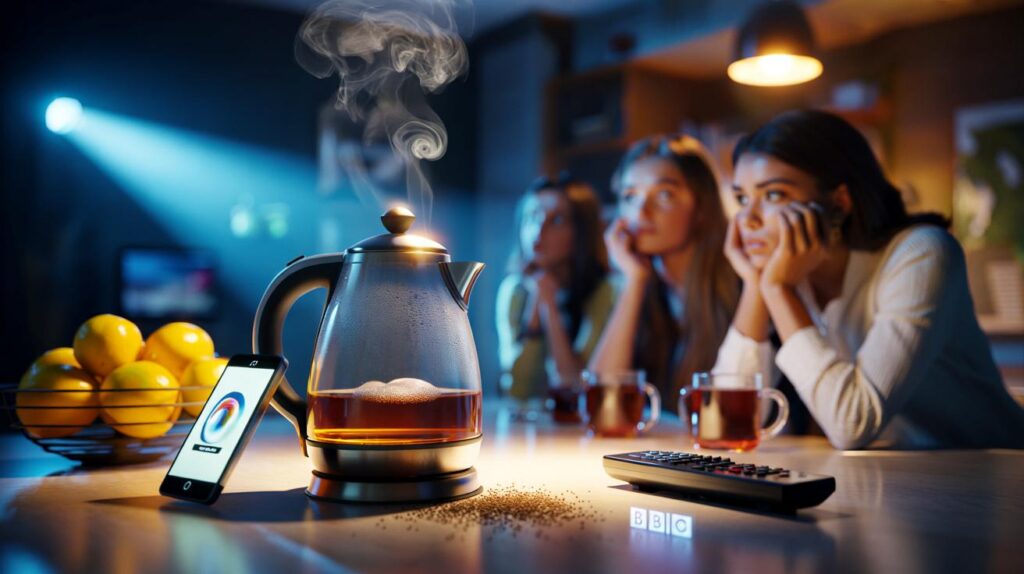
I was in a friend’s kitchen when the moment clicked. A phone was propped against a bowl of lemons, the volume up, the room leaning forward — and there it was, that exact scene everyone brings up when they say “the greatest.” The cut landed like a soft hammer, the silence after felt heavier than dialogue, and a chorus of “Oh my God” went around the table as if rehearsed; the kettle clicked off, nobody poured the tea, and for a minute we just watched the credits breathe, stunned by a show that somehow felt bigger than TV. Were they right?
The night a BBC “masterpiece” became the internet’s GOAT
Across Reddit threads and group chats, the same ritual keeps repeating: someone cues up a clip, the room changes, and people remember why they fell in love with television in the first place. That’s the pull of a BBC series built like a cathedral — meticulous, measured, and full of moral weight you can feel in your chest the next morning. We’ve all had that moment when a show doesn’t just entertain you; it upgrades your inner weather.
Take the story of Mara, a junior doctor who works late shifts and swears she doesn’t have time for anything with “homework energy.” She put on episode one to keep her company while meal prepping, then stood so still by the microwave that the timer beeped three times before she noticed; by dawn she’d watched four, eyes raw, texting her sister: “It’s like someone finally turned the lights on.” On the bus that afternoon, two strangers locked into the same knowing smile when they heard the theme, like a secret handshake.
Why do these claims stick? Partly because the series plays with rhythm the way great albums do — a quiet first track, then a sudden, fearless crescendo — and you can’t help but keep listening. Then there’s the BBC factor: a certain trust in the craft, a patience with pacing, that mix of public-service rigor and daring that lets writers take swings others wouldn’t. Add a growing hunger for appointment moments in a world of endless scroll, and the GOAT label starts to feel less like fan hyperbole and more like a verdict you arrive at slowly.
How to judge “greatest TV” without starting a fight
Here’s a simple way to test the claim without turning it into homework: pick two episodes, one heavyweight and one “quiet,” and watch them a day apart. As you watch, note five things — craft, consistency, cultural echo, quotability, and courage — then walk away and see which details still tap you on the shoulder twelve hours later. Let’s be honest: nobody actually does that every day.
Common traps are sneaky. Recency bias makes last night feel like legend, and binge-watching can blur episodes into one long soup where every moment seems essential. Give yourself air between chapters, talk it out with someone who disagrees, and don’t confuse hype with heft; it’s fine to love the buzz and still ask if the bones hold up. *It’s also fine to admit a scene broke you.*
People who’ve fallen hardest for this BBC juggernaut keep coming back to how it respects the audience’s intelligence, then rewards it with a blow-you-back payoff. The show seems to understand that the viewer is a collaborator, not a target, and that’s oddly rare in the era of the endless cliffhanger.
“I didn’t just feel entertained — I felt seen, and then challenged to see more.”
- Greatest of all time isn’t just scale; it’s staying power.
- Look for slow-burn suspense that earns its shocks.
- Track the afterglow — do scenes reappear in your day?
- Watch how the series treats silence, not just dialogue.
Why the “greatest” tag keeps sticking to the BBC
The BBC tends to greenlight work that breathes, then backs its creators through the awkward, necessary middle — the part where themes settle in and characters gain shadows. That’s where greatness grows. Fans recognise the permission that gives a show to be itself, to take one more beat in a scene, to put a radical idea where a cheap twist could have gone; it feels like respect, and the audience pays it back with loyalty that survives trends. Some of that is legacy, sure, but a lot is just made-in-Britain craft meeting universal nerve endings, the way a lens on one corner of life reveals the whole street. You don’t need to agree on the single best to sense when a series walks like it belongs in that conversation.
| Key points | Details | Interest for reader |
|---|---|---|
| — | Fans have crowned a BBC “masterpiece” as greatest TV of all time online. | Sets the cultural context and sparks curiosity. |
| — | How to test greatness: two-episode method and five-part checklist. | Gives a practical, no-drama way to judge for yourself. |
| — | Why BBC shows earn loyalty: pace, trust, and bold creative choices. | Explains the magic behind the hype, without spoilers. |
FAQ :
- Which BBC series are fans calling the greatest?Debate centres on a standout “masterpiece,” with titles like Fleabag, Line of Duty, and Planet Earth often in the mix.
- Isn’t “greatest of all time” just hype?Sometimes, yes, but when scenes linger for weeks and rewire conversations, that’s a different signal.
- Do I need to watch every episode to judge?No; one “quiet” chapter and one pivotal episode can reveal a show’s DNA.
- What if I don’t like slow pacing?Try sampling at different times of day; some shows bloom when you’re not rushing.
- Can documentaries be the greatest, or only drama?Both; cultural impact, craft, and courage cut across genres.



That “soft hammer” cut got me too — I legit forgot to pour my tea and just watched the credits breathe. If a show can slow my brain like that, it’s doing somthing right. What sold me wasn’t shock, it was patience: the way silence felt heavier than dialoge, the confidence to let a beat land without music. That’s craft you can feel the next morning. Maybe not the GOAT forever, but defintely in the room.
Greatest ever? Or just recency biass dressed up as taste? I’ll try your two-episode test, but if the “quiet” chapter drags, I’m out. Craft and courage matter; hype doesn’t.