
Across the UK, a new chorus is rising from sofas and group chats: a BBC series so deft, so human, that fans are calling it the greatest TV of all time. Not hyperbole, they insist. A rare alignment of writing, performance and purpose, delivered with that unshowy BBC confidence that doesn’t need fireworks to light a room.
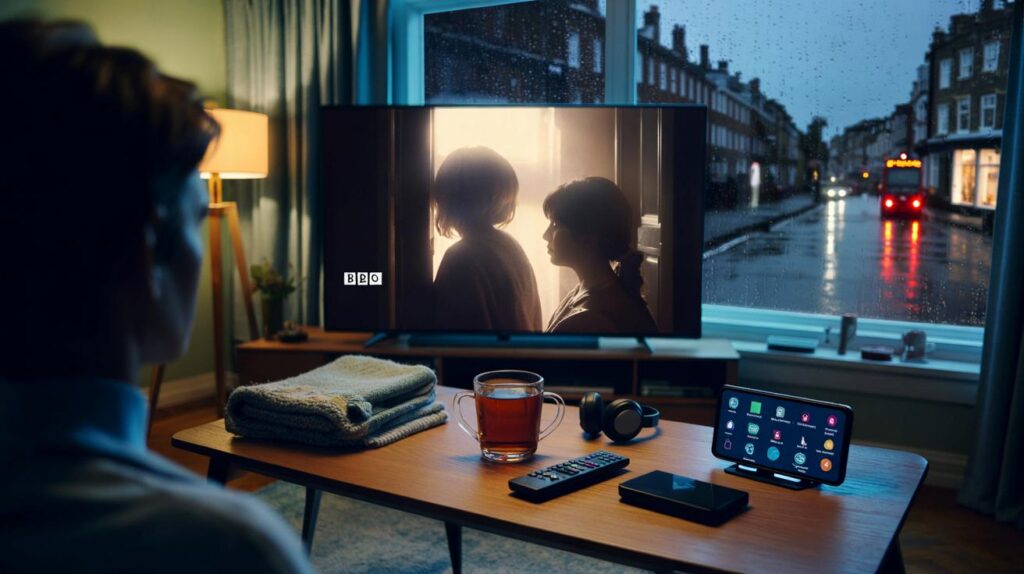
I watched it on a damp Tuesday, the kind that makes streets glisten and strangers tuck their chins into scarves. My phone buzzed as the opening credits rolled—three pings, then ten—friends whispering the same word into the ether: “masterpiece.” The episode moved with unhurried grace, letting silence do the heavy lifting, letting faces tell the truth. It felt intimate, almost conspiratorial, as if the show trusted me to pick up the thread. *It felt like an old friend leaning in to whisper a secret.* Then the screen cut to black and my living room went very, very still. Two words hung in the air.
Why fans are calling it the greatest
There’s a particular kind of BBC storytelling that creeps up on you. It avoids the obvious crescendo, and somehow ends up louder than the loudest shows on television. This series has that quiet power, the sort that plants a thought on Monday and makes it bloom on Thursday.
One scene in particular has travelled—shared, clipped, replayed on repeat—because of what it doesn’t say. A look held a second too long. A breath someone tried to swallow and couldn’t. People typed entire essays beneath a 40‑second snippet, swearing it understood them better than most people they know. **Greatest TV of all time?** For those viewers, the argument starts right there.
There’s logic beneath the love. BBC dramas often unfold like novels, each episode a chapter that trusts the reader not to skip margins. Strong edit discipline, a refusal to spoon‑feed, a casting culture that places truth above profile—it all adds up. The storytelling doesn’t break a sweat, and you feel that. The series becomes less a programme you watch and more a place you inhabit.
How to watch it so it hits even harder
Start earlier than you think. Give yourself a clean hour, lights low, phone on silent, headphones if you’ve got them. That sound design—those tiny room noises, the way breath sits in a scene—does something to your chest when you let it.
Don’t binge past the point where your brain stops tasting. Two episodes, a walk, a cup of tea, then another if you must. Let the show live with you between viewings. We’ve all had that moment when the best line arrives in the supermarket queue the next day. Let that happen. Let the story meet you halfway. Let it linger. Let’s be honest: nobody actually does that every day.
Take a moment after each episode to write down the one image you can’t shake. A face in a window. A line that hurt. A laugh that arrived late.
“It reminded me why I love TV—because it can be small and still feel enormous,” one viewer wrote, speaking for a lot of us.
- Slow down your scroll: wait five minutes before checking reactions.
- Watch with someone, talk after: ten minutes, no phones.
- Rewind the quiet bits: the show hides gifts in the pauses.
What this says about our TV appetite
The rush to call something the greatest isn’t only about the show. It’s about hunger. Audiences are flooded with content, but starved of connection, and when a series hands them that, they grab fast and hold tight. **The GOAT label is less a crown than a thank you.** It’s the internet’s messy way of saying: this one made me feel seen, and I want everyone to feel it too. The BBC has become a reliable broker for that transaction—partly because it can commission patience, and partly because it still treats viewers like adults. The masterpiece chatter will fade, as it always does, but the afterglow is real. That’s what lasts.
| Key points | Details | Interest for reader |
|---|---|---|
| BBC’s quiet craft | Novelistic pacing, minimal exposition, character-first storytelling | Explains why the series feels deeper than a weekend binge |
| How to watch better | Short, focused sessions; sound on; reflect between episodes | Maximises emotional impact without extra time investment |
| Why “greatest” sticks | Fans signal gratitude, not just hype; the show meets a social need | Makes the conversation around the series more meaningful |
FAQ :
- Which BBC series are fans calling the greatest?The discussion centres on a new BBC drama hailed as a “masterpiece,” echoing praise once aimed at titles like Fleabag, Line of Duty and Planet Earth.
- Do I need to watch from episode one?Yes—this kind of storytelling layers meaning. Starting at the beginning unlocks the pay‑offs later.
- Where can I watch it?In the UK, BBC iPlayer is the home. International availability varies by territory and partner platforms.
- Is it suitable for a binge weekend?You can, but it lands harder in measured doses. Two episodes, pause, breathe, continue.
- Why is everyone calling it a “masterpiece”?Because it blends writing, performance and mood into something unusually complete—quietly, confidently, and without showing the seams.



Not hyperbole—this felt like someone whispering a secret in a crowded room. The restraint is thrilling. I haven’t rewound the quiet bits this much since Fleabag S2. If this isn’t the GOAT, it’s at least in the stable.
Greatest of all time? Come on. It’s good, but the “quiet power” thing reads like slow pacing sometimes. Are we mistaking minimalism for depth—again? The praise is alot to swallow after just a few episodes.