
From living rooms to late-night group chats, a BBC “masterpiece” is back at the centre of the one debate that never dies: what counts as the greatest TV of all time. Fans are sharing clips with trembling captions, parents are rewatching with their kids, and timelines are full of open-mouthed emojis. The show isn’t a fad. It’s a ritual. And it’s pushing that GOAT crown into sharp focus.
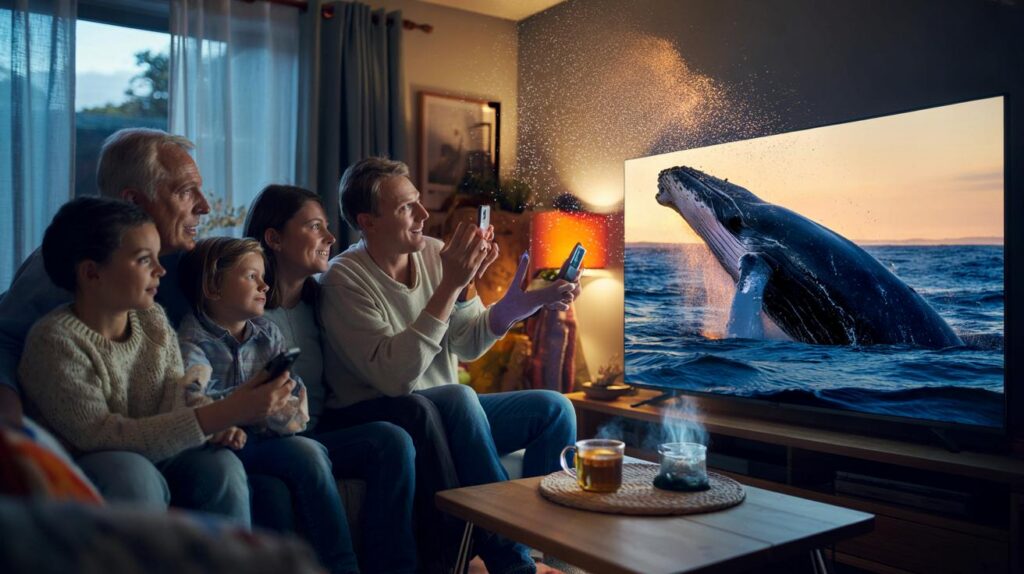
The kettle whistled, the sofa sagged under a Sunday-night sprawl, and someone finally found the remote. On the screen, a whale breached through a field of glittering spray as David Attenborough’s voice opened like a curtain. Phones went down without being told. *It felt like the room itself was holding its breath.*
In the family group chat, an uncle typed, “This is the greatest TV ever made, no contest.” The reply came from a teenager who usually speaks GIF: “I’m actually crying.” We’ve all had that moment when a programme hushes a room without asking. Then, seconds later, you want to tell everyone you know.
A sea of comments called it “the GOAT” and “BBC at its best”. Which raises the prickly little question that won’t go away. What makes a series earn that word—masterpiece?
Why fans say this BBC “masterpiece” is the greatest
Start with scale. The BBC’s landmark nature series, Planet Earth and its kin, stretch TV into cinema without losing the warmth of the living room. The **BBC Natural History Unit** films for years, not months, gathering moments you couldn’t script. That’s not just production heft; it’s patience you can feel.
Then there’s intimacy. A penguin shuffling against the wind. A camera hovering at eye level with a snow leopard as the world falls away. The small is as big as the big. That balance—planetary sweep, fingertip detail—pulls in people who don’t even think of themselves as “nature doc” types. And suddenly they do.
Fans also love that it’s shared. Grandparents, kids, flatmates who can’t agree on pizza toppings. It has a way of holding mixed company. In a time when tastes splinter into a thousand streams, this is TV that still makes a country lean forward at once. That’s rarer each year, which only makes the feeling louder.
If you want proof, think of the racer snakes and the iguanas. A chase across serrated rocks, eyes wide, tongue flicking, the lizard weaving like a miracle. That sequence was clipped, remixed, memed, and replayed in kitchens and offices. People who didn’t catch the episode knew the scene.
Or remember the snow leopard mother crossing a cliff that looks like a torn page. The camera holds just long enough for dread to bloom, then mercy. These are **scenes you never forget**, the sort that lodge in your stomach more than your head. They travel well because they’re already myth.
There are stats that matter here, but they’re emotional ones. How many people message a friend mid-episode and say “you need to see this”? How many households make a midweek date to finish the instalment they saved? The show leaves fingerprints in real life, which turns viewers into witnesses.
There’s a craft reason it works, too. The rhythm is classical: awe, tension, release. Aerials give you the map; macro shots take you into the thicket. Drones, stabilised rigs, and lenses that pull light from fog do the quiet hero work. Then a string line lands at just the right second and you realise your shoulders have climbed up to your ears.
The words matter. Attenborough’s narration sets a human register—curious, calm, never smug. He doesn’t just tell you what’s on screen. He invites you into the wait, the lean, the sudden luck. So when a sequence lands, it isn’t just spectacle. It’s earned. And that’s what makes fans say “greatest” without flinching.
Finally, timing. The climate hangs over everything like weather you can’t quite name. This series faces that anxiety without shoving your face in it. Hope is there, but not as a poster. It’s in the fact of life itself, still dazzling, still stubborn. And that hope travels, too.
How to watch it so every minute lands harder
Keep it simple. Watch on the biggest screen you can, sound nudged up, curtains gently drawn. Set your player to the highest resolution your internet can handle, then stay in it. If you’re in the UK, iPlayer carries the recent runs, with UHD where available. Subtitles help more than you’d think—species names sink in when you see them.
Make a ritual of it. A cuppa for the opening, then a pause halfway for air. Talk after, not during. Let’s be honest: nobody actually does that every day. Life is messy. Still, creating two quiet hours in a week turns an episode into a small event, not background noise. And if you’re watching with kids, jot their questions. Look them up together after the credits.
Don’t binge it all in one go. Your brain will file the glaciers and deserts under “big pretty things” and the edges blur. An episode a night is steadier. Avoid the common skip: those behind-the-scenes diaries matter. They show the waits, the misses, the mud in the socks. The effort is part of the story.
“This feels like the greatest television of all time—rare, generous, and alive.”
- Where to watch (UK): BBC iPlayer; UHD versions appear on supported devices.
- Good first stops: Islands, Jungles, or the Mountains episode—each tells a complete story.
- Episode length: About an hour, including the short making-of segment.
- Family note: Suitable for most ages, with moments of peril you can pause and talk through.
The bigger picture we’re really talking about
Call it the social life of awe. When a show makes strangers swap links like recipes and co-workers whisper “did you see the birds?” at the kettle, you’ve crossed into something TV rarely manages now. This series lets people practice attention. Not a doomscroll, not a finger-flicking feed. Just looking, then feeling, then talking.
It also solves an everyday headache: what can a mixed room actually agree on? Teenagers sit forward for the chase; grandparents lean into the patience. The quiet is shared, which sounds small until you try to create it on purpose. The show does it almost by accident, by being itself.
And yes, there’s the world itself. Seeing a coral reef still blaze, or a forest recover, doesn’t cancel our fears. It puts them in a frame that includes wonder. That’s not a luxury right now. It’s energy. You leave the episode with a slightly better appetite for news, for weather, for a walk the next morning. Not bad for a Sunday night in front of the telly.
Even the way fans talk about it tells a story. The phrase has become a shorthand—“the BBC’s masterpiece”—as if we all understand which one you mean without naming it. That’s cultural gravity. It doesn’t happen often, and when it does, it anchors memory. TV that earns the word “greatest” doesn’t bully you into agreeing. It simply keeps turning up, unforgettable, until the label sticks.
| Key points | Details | Interest for reader |
|---|---|---|
| Why fans say “greatest” | Epic scale, intimate moments, and narration that feels like a hand on your shoulder | Understand the emotional engine behind the hype |
| How to watch better | Big screen, **watch with the lights low**, one episode at a time, don’t skip the diaries | Make each hour feel bigger and more memorable |
| The cultural ripple | Shared viewing in a fractured era, a gentler way to face climate anxiety | See why this show becomes a talking point beyond TV |
FAQ :
- Which BBC series are fans calling a “masterpiece”?They’re pointing to the BBC’s landmark Planet Earth lineage and its sister titles, the big natural-history epics that arrive like events.
- Do I need a 4K TV to appreciate it?No. 4K is lovely, but the storytelling, sound, and pacing carry the weight on any decent screen or tablet.
- Is it suitable for younger viewers?Mostly yes. There are tense moments and natural peril, so pausing to talk through scenes can help younger eyes.
- What makes it different from other nature docs?Time and craft. Years in the field, advanced camera work, and narration that guides without lecturing.
- Where can I watch in the UK?Recent runs are available on BBC iPlayer, with UHD versions on supported devices and connections.



Watched with my parents and my teen, and the room literally hushed when that whale breached and Attenborough spoke. The racer snakes vs iguanas still gives me goosebumps; the snow leopard sequence put a knot in my stomach. Unbeliveably human without being schmaltzy. Unforgetable TV.
Greatest of all time, or greatest in its lane? Stunning, yes, but “GOAT” across all TV feels slippery. The Wire, The Sopranos, even Fleabag do different things that matter. Maybe call it the nature-doc GOAT and I’m onboard. Still, definetly top-tier craft.