
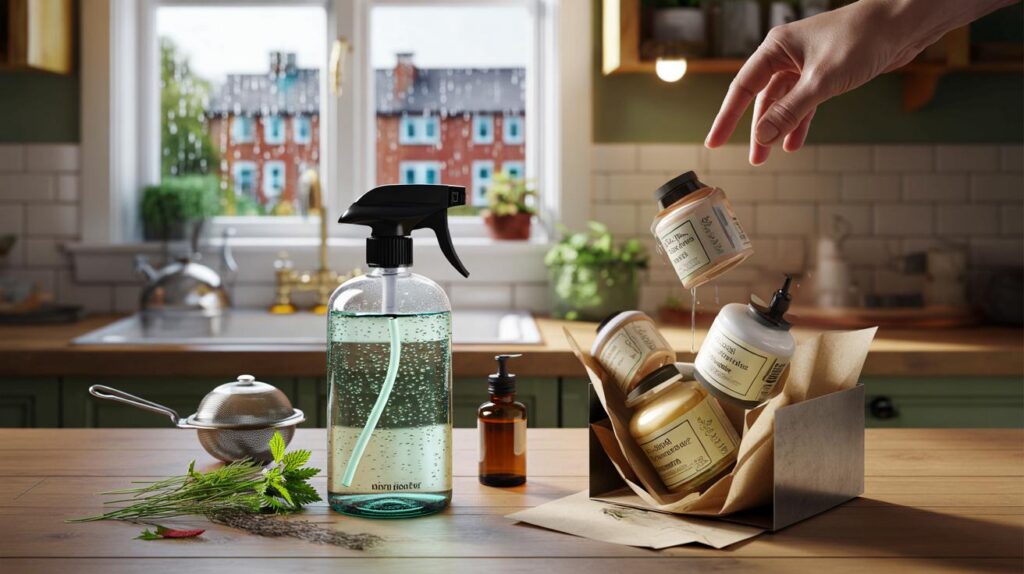
As nights draw in, the mirror grows frank and wallets squeal, while glossy pots keep promising youth with every pump and pearl.
Across Britain this autumn, a quieter shift is taking hold. Shoppers are setting aside spendy anti-age creams and turning to humble plants, brewing simple toners at home and reporting fresher skin within weeks. The appeal is practical: fewer perfumes, fewer promises, more control over what touches your face.
Why miracle creams fall short
The promise behind the pot
Every season brings a new jar said to smooth, plump and brighten. Textures feel lush. Fragrances soothe. The ritual comforts. Yet most of the immediate glow comes from hydration and the massage you give yourself while applying it. That does not make a cream useless. It means expectations need grounding.
Most instant results come from water binding to the skin and from blood flow boosted by your hands, not from complex actives.
What actually happens on skin
With colder air and central heating, water evaporates faster from the surface. The skin’s barrier thins, mineral balance dips and cell turnover slows. A rich cream can soften the top layer for a few hours. Many do not deliver meaningful amounts of structural nutrients deeper where firmness is decided.
Plants step in as practical skincare
Nettle and horsetail, the unlikely pair
Nettle and field horsetail are hardy British stalwarts. They grow along hedgerows, riverbanks and garden edges. Dismissed as weeds, they happen to be packed with skin-friendly constituents. Horsetail carries abundant plant silica. Nettle brings chlorophyll, polyphenols and a suite of minerals including magnesium, zinc and calcium.
What they bring to the skin
Silica supports the scaffolding that helps skin feel springy. Mineral-rich infusions help the barrier hold water and calm signs of weathering. Antioxidant plant compounds neutralise daily environmental stress. Used as a daily toner under a plain moisturiser, the pair can nudge skin back towards balance through autumn and winter.
Think less miracle, more maintenance: minerals and silica help the barrier work properly so the face looks brighter for longer.
A simple autumn routine you can make
Five-minute kitchen formula
- 1 tablespoon dried nettle leaf
- 1 tablespoon dried field horsetail
- 250 ml freshly boiled water
- 1 teaspoon apple cider vinegar (optional, balances pH)
- One sterilised bottle or small spray
Combine herbs in a clean mug. Pour over water. Cover and steep for 15 minutes. Strain, cool to lukewarm, add vinegar, then decant. Keep in the fridge and use within seven days.
How to apply for visible results
On clean skin, mist generously or press on with a cotton pad. Do not rub. Let it dry naturally. Follow with a fragrance-free moisturiser if needed. Morning and evening use works best. Start in autumn to cushion the shift to colder weather. Save strained herb pulp for a five-minute neck or hand compress.
What you can expect and when
The timeline many users report
- Day 3–7: tone looks more even; tightness after cleansing eases.
- Week 2: dry patches soften; pores look tidier around the nose and cheeks.
- Week 3–4: skin feels a touch firmer; make-up sits better through the day.
Results depend on consistency and the rest of your routine. Sleep, diet and stress show on the face. Hydration and gentle cleansing still do the heavy lifting.
How it stacks up against a shop-bought jar
| What | Botanical toner (nettle + horsetail) | Anti-age cream (mid-range) |
|---|---|---|
| Typical monthly cost | £2–£5 for dried herbs | £40–£80 for 50 ml |
| Prep time | 15 minutes weekly | None |
| Shelf life | 7 days refrigerated | 12–24 months unopened |
| Main actives | Silica, minerals, chlorophyll, polyphenols | Humectants, emollients, perfumes, occasional peptides/retinoids |
| Skin feel | Light, fresh, non-greasy | Softening, can feel occlusive |
| Packaging waste | Low (reusable bottle) | High (plastic jar/pump, box) |
Safety, sourcing and sensible limits
Pick and store with care
Buy herbs from a trusted herbalist or health shop. If foraging, use gloves, identify plants carefully and avoid roadsides, sprayed fields and pet tracks. Rinse well and dry before use. Do not keep your infusion past a week. If it smells off, bin it.
Patch testing and who should skip it
Patch test on the inner arm for 48 hours before first use. Nettle can tingle on contact; that should fade quickly. Stop at any sign of rash. People with very reactive skin, facial eczema flares or open wounds should seek professional advice first. Horsetail is best kept topical in this routine. Those with kidney issues or who are pregnant should consult a clinician before regular use of herbal products.
Making it work alongside your current routine
Pairing with proven actives
You can use the toner under a retinoid, vitamin C or peptide serum. Let the toner dry fully first. Keep evenings simple on retinoid nights: toner, moisturiser, done. In the morning, finish with broad-spectrum sunscreen; wind and low sun still age skin.
Small upgrades that amplify results
- Swap hot showers for lukewarm water to protect the barrier.
- Add 1–2 teaspoons of flaxseed to breakfast for extra omega-3s.
- Use a soft flannel, not grainy scrubs, to lift dull cells twice weekly.
- Target massage: 60 seconds of upward strokes while applying moisturiser.
The wider picture: money saved, waste cut, habits reset
Why this trend resonates now
Households are watching bills. A homemade toner costs pennies per day and trims plastic waste. The routine also gives you agency. You can see every ingredient. You can cut perfume if your cheeks flush. You can adjust strength by steeping for less time if you are sensitive.
When you control the formula, you control the fragrance load, the strength and the waste — and your skin often behaves better.
Extra angles to consider
Seasonal swaps and variations
In winter, add a few drops of glycerin to the bottle for extra slip. In spring, switch horsetail for calendula if you are sensitive. If you struggle with congestion, a weekly green clay mask pairs well with the toner and keeps pores clear without harsh acids.
Running a quick cost and time check
One 100 g bag of dried nettle and 100 g of horsetail makes roughly 80 batches. At 15 minutes per batch and two uses per day, you invest about an hour per month. Compare that to a £60 jar that lasts four to six weeks. For many readers, the trade-off looks fair, especially when skin calms and shine returns naturally.



Switched from a £68 cream to nettle + horsetail three weeks ago and my cheeks finally stopped feeling tight. Not a miracle, just calmer, less shiny skin — and my bank acount breathed out. Definitley keeping this through winter.