
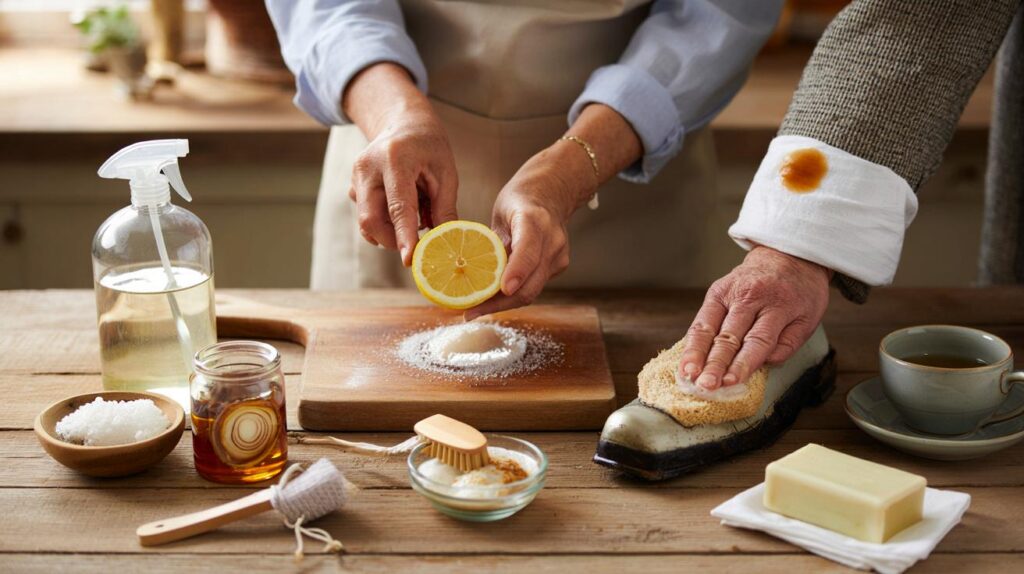
Across kitchens and sheds, old notebooks resurface as families chase relief from rising prices, cluttered cupboards and growing waste.
From stain-busting vinegar to onion syrup for sore throats, a wave of timeless home fixes is back on the worktop. A French platform dedicated to grandmotherly wisdom says thousands of practical tips now sit within easy reach, with editors and specialists weeding out duds and keeping the best ideas fresh.
Cost-of-living jitters push a return to tried-and-true tricks
Household budgets still feel tight. People want results without paying for yet another branded bottle. That shift has lifted interest in simple recipes and low-cost remedies that rely on staple ingredients. The revival spans cleaning, skincare, pantry planning and small first-aid measures.
At the centre of this trend sits a long-running site that curates “granny hacks” across health, beauty, kitchen, garden and family activities. It collates thousands of ideas in plain language. Most use items you already own: white vinegar, bicarbonate of soda, lemon, oats, olive oil, honey.
Families report shaving pounds off weekly shops by replacing three routine products with pantry stand-ins for cleaning and care.
The editorial team behind the collection includes journalists and specialists in wellbeing, health, beauty, nutrition and housekeeping. They research claims, trial recipes and remove tips that fail basic checks. The archive grows with regular updates and new angles, while a search-by-keyword system helps you find a fix that fits the problem.
What has changed: practicality, proof and the green dividend
Old advice often came as folklore. Today readers want clear steps, timings and outcomes. The platform meets that demand with measured quantities, safety notes and realistic expectations. That transparency matters, especially where health sits close to the claim.
There is a second shift: waste reduction. Many of these tips avoid single-use plastic and cut chemical load at home. A litre of vinegar stretches across limescale, glass, drains and laundry. A bag of bicarbonate freshens bins, shoes, carpets and fridges.
One basket swap — vinegar for glass cleaner, bicarbonate for deodoriser, bar soap for shower gel — removes up to six plastic bottles per month in a family home.
Nine fixes readers actually use
Everyday swaps that save cash and cupboard space
- White vinegar glass spray: mix 1 part vinegar to 3 parts water, add a drop of washing-up liquid. Streak-free finish.
- Bicarbonate bin and shoe deodoriser: dust, leave 30 minutes, shake or hoover. Smell goes, no fragrance fog.
- Lemon salt scrub for chopping boards: halve a lemon, dip in salt, scrub, rinse. Wood looks brighter.
- Olive oil polish for dull leather: tiny dab on a cloth, buff. Patch test first.
- Oat and honey face mask: 2 tbsp oats, 1 tsp honey, warm water to paste, 10 minutes on the skin. Soft feel, low cost.
- Onion syrup for scratchy throats: thinly slice an onion, cover with honey, wait until it syrups, take a spoon as needed.
- Cold tea stain rescue: dab cooled black tea on tannin marks, rinse, then launder. Helps on light fabrics.
- Rice in a sock heat pack: 1 cup rice in a clean sock, tie, microwave in short bursts. Eases neck tension.
- Bread heel for greasy splashes: press onto fresh oil spots on jacket fabric before washing. Lifts residue.
The numbers behind the trend
The site highlights “thousands” of entries across categories. Reader feedback points to modest but steady savings. Small changes add up when repeated weekly.
| Remedy | Cost per use | Time | Typical saving | Caveat |
|---|---|---|---|---|
| Vinegar multi-surface spray | £0.06 | 2 min | £1.10 vs branded cleaner | Do not use on marble or natural stone |
| Bicarbonate shoe deodoriser | £0.04 | 30 min | £2.50 vs pod or spray | Brush residue before wearing |
| Oat and honey face mask | £0.18 | 10 min | £1.80 vs sachet mask | Patch test for sensitive skin |
| Onion and honey syrup | £0.25 | 15 min prep | £3.00 vs OTC lozenges | Not for children under 1 year |
Add three of these routines to your week and the arithmetic gets interesting. A family could trim around £6 to £8 a month, then multiply that across cleaning, skincare and minor care. Over a year, households reach triple figures without resorting to drastic cuts.
Safety, limits and when to seek help
Not every “old cure” suits every person. Natural does not mean risk-free. Vinegar reacts with bleach. Citrus can irritate skin. Honey should not go to infants under one. Allergies and specific conditions change the picture. Check product labels and follow manufacturer advice on surfaces and textiles.
For health issues that last, worsen or raise concern, book a GP or pharmacist. Home remedies can soothe minor discomforts. They do not replace clinical diagnosis, prescribed treatment or emergency care.
Inside the curation: how the team chooses reliable tips
The editorial process trims folklore into clear guidance. Journalists verify ingredients, sources and mechanisms where possible. Specialists test methods and note outcomes. Ineffective or risky ideas do not make the cut. Entries receive updates as better techniques appear.
Clear steps, common ingredients and transparent warnings form the backbone of each published tip.
The site design keeps navigation simple. Categories cover health, beauty, kitchen, home, garden and activities with children. A keyword search brings up targeted fixes, which helps when you need a quick answer for a stain, a smell or a minor niggle.
How to start without upending your routine
Pick three swaps and set a seven-day trial
Choose one cleaning switch, one care recipe and one pantry habit. Track money saved and packaging avoided. Keep a notepad in the kitchen. Note what worked, what failed and what needs a tweak.
- Set a small budget: £2 on vinegar and £1 on bicarbonate covers a week of tests.
- Use what you own first: jars for mixes, old spray bottles after a thorough wash, clean cloths.
- Share results: compare with a friend or neighbour to trade what actually helps.
Beyond savings: comfort, skills and calmer cupboards
Practical habits bring more than lower bills. You gain small skills that stick. You reduce the noise of competing products. Children often enjoy the hands-on side: mixing, measuring, seeing cause and effect. That turns chores into short activities and tends to make results last.
Consider seasonal angles. Spring cleaning leans on citrus and vinegar for glass and taps. Autumn calls for shoe care and fabric refreshers. Winter favours warm packs, gentle syrups and pantry planning for stews. Rotate your set of tips with the weather and your week’s pace.
Extra notes for readers who like detail
Testing order matters. Try surface-safe fixes before fabric-heavy ones, so mistakes cost less. Keep a small “patch zone” on an inside hem or tile back corner for trials. Record ratios that pleased you. Small adjustments — a drop more detergent, a minute less heat — change outcomes sharply.
If you enjoy numbers, build a quick calculator: list each swap, count uses per month, log shop prices and your mix cost. You will see which tips pay back fast and which you keep for comfort rather than cash. Both have a place when you want a home that feels looked-after without spending more than needed.



£312 a year sounds precise—how is that calculated? Is it assuming three swaps a week accross cleaning and care? Also, please bold the ‘don’t use on marble’ bit; lots of folks will miss it.