
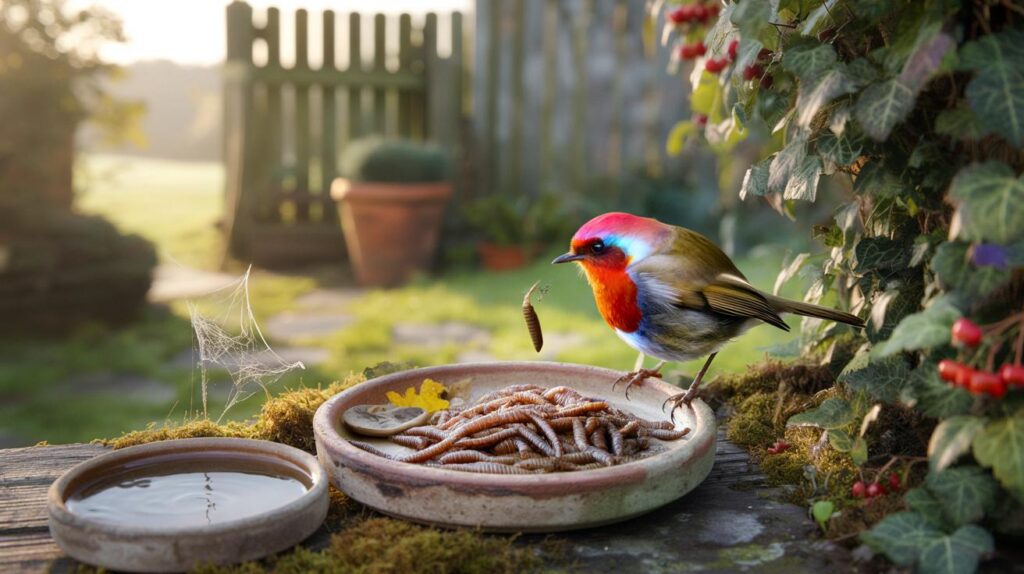
Gardens fall quiet after summer, yet small flashes of orange still patrol the borders. A simple tweak can change your luck.
As September settles in, many people notice fewer wingbeats at the feeder and wonder what went wrong. The truth is gentler: birds slip into a low-profile phase, while shrubs and hedgerows overflow with natural pickings. With the right offer, you can tempt your robin to return daily—and keep it fuelled for the colder months ahead.
Why your garden sounds quieter now
The late-summer moult
After a demanding breeding season, feathers wear out. Robins and other small birds replace them in late summer, which takes energy. During this period, they skulk in cover, call less, and visit exposed perches less often.
Nature’s buffet opens
September loads the landscape with seeds, berries and invertebrates. Many birds switch from feeders to hedgerows and borders, where food sits close to shelter. That shift makes gardens feel empty, even when birds remain nearby.
Young birds disperse
Juveniles wander to test new territories. Some birds migrate. Others stay local but change their routines. Movement spreads them out, so familiar individuals may vanish from your usual watchpoints for a few weeks.
Don’t pack the feeders away. A smart, high-energy menu now builds trust that pays off when the first frosts bite.
The one food that lures robins back
If you want a robin to return on cue, offer mealworms. This single choice consistently works because it mirrors what robins hunt: soft-bodied insects, larvae and worms. Dried mealworms hold protein and fat in a convenient form, while live mealworms spark natural foraging behaviour.
Many households can manage the cost. A small 100 g bag of dried mealworms often sits around £2, and used carefully it can cover almost a week for one or two robins. Live tubs cost more per feed but can draw a bird in minutes when placed on a low tray near cover.
Serve a tablespoon of mealworms at dawn and another before dusk. Most robins learn your timetable within 48 hours.
What to pair with mealworms
Mealworms do the heavy lifting, yet a supporting mix keeps a range of species healthy and takes pressure off one feeder.
- Sunflower hearts: easy to husk, energy-rich, loved by tits, finches and robins.
- Suet or fat balls: concentrated fuel for chilly mornings; choose net-free options to prevent tangles.
- Crushed peanuts: offer in small pieces to avoid choking; avoid salted or flavoured nuts.
- Soft fruit and berries: halved grapes, chopped apple, or windfall fruit on the ground near cover.
| Food | Best for | Why it works | Tip |
|---|---|---|---|
| Mealworms (dried or live) | Robins, wrens, blackbirds | Protein and fat mimic natural prey | Soak dried mealworms for 10 minutes to soften |
| Sunflower hearts | Tits, finches, robins | High energy, no shells to remove | Use a tray under a feeder to catch spill |
| Suet pellets | Most small birds | Dense calories before cold snaps | Mix a handful with mealworms for a quick boost |
| Crushed peanuts | Tits, nuthatches, robins | Oil-rich, easy to handle when crushed | Offer in a mesh feeder or scatter sparingly |
| Fruit and berries | Thrushes, blackbirds, robins | Seasonal sugars and moisture | Place near shrubs to reduce exposure to predators |
How to feed mealworms the right way
- Place the tray low and close to cover, such as a shrub or dense pot, so robins feel secure.
- Offer little and often: one tablespoon in the early morning and another in late afternoon reduces waste and keeps food fresh.
- Soak dried mealworms in warm water for 5–10 minutes to add moisture, especially during dry spells.
- Rotate the feeding spot weekly to prevent mess and to deter rodents.
- Combine with a shallow dish of clean water for drinking and bathing.
Small, predictable portions beat one big scatter. Birds learn your routine and turn up on time.
Hygiene, disease control and feeder care
Regular cleaning protects flocks and keeps robins returning. Remove uneaten food every evening. Wash trays and baths with hot soapy water every few days, or use a weak disinfectant solution. Rinse thoroughly and air dry before refilling. Replace any feed that clumps, smells musty or shows mould. Store bags in sealed tubs in a cool, dry place to deter pests.
Keep the ground tidy. Sweep spilled seed, and move feeding stations a couple of metres each week. If you notice lethargic birds or crusty eyes, pause feeding for a few days, deep clean, and restart with smaller portions.
Costs and a simple two-week plan
People often ask how much to buy and how long it lasts. Here’s a light, budget-friendly approach for one or two robins in an average UK garden.
- Budget: £2 for 100 g dried mealworms plus £1.50 of sunflower hearts covers roughly 6–7 days of twice-daily feeds.
- Days 1–3: 1 tablespoon soaked mealworms at 07:30 and 17:30; place the tray beside a shrub.
- Days 4–7: Keep timings; add a pinch of sunflower hearts on a nearby tray to share traffic.
- Days 8–14: Maintain the routine; adjust portions to the last crumbs left after 15 minutes.
If you work irregular hours, front-load the morning feed and leave a smaller evening portion. Consistency matters more than clock precision.
How to tell when your robin is back
- Perch patrols: a robin will sit on a low stake, pot or post, flicking wings and tail between short hops.
- Contact calls: listen for a thin “tick” near cover, then a brief, fluty phrase at dawn or dusk.
- Shadowing the gardener: robins follow soil being turned, hoping for exposed insects.
- Fast grab-and-go: expect quick visits that last under a minute as birds keep an eye on cover.
Common mistakes to avoid
- Dumping large piles of food. This invites waste and disease; portion instead.
- Leaving baths slimy. Clean every few days to prevent algae and pathogens.
- Using salted or seasoned peanuts. Birds need plain, unsalted nuts only, preferably crushed.
- Hanging fat balls in mesh. Use net-free products or a proper holder to prevent tangles.
- Clearing every leaf. Keep some seed heads, leaf piles and berry stems to support natural foraging.
Extra ideas for September success
Mix habitat with feeding. A thorny shrub or dense evergreen near the feeding tray reduces risk from cats and sparrowhawks. A mini log pile shelters beetles and grubs that robins relish. Keep lawns slightly longer at the edges to protect worms and leatherjackets, which in turn sustain birds during wet spells.
Scale up as nights cool. When the first ground frosts arrive, step up suet and sunflower hearts, but keep the mealworm routine. That combination helps birds build reserves without abandoning natural foods. If you run a small balcony, use a sheltered corner, a shallow dish for water, and a tablespoon of soaked mealworms on a tray—small spaces can still pull in that flash of red breast.



Started putting a tablespoon of soaked mealworms out at 7:30 and 17:30 and boom—robin back on the fence within two days. Didn’t expect the routine to work that fast. Cheers for the practical timings.
Slightly worried about hygiene. If I’m soaking dried mealworms, how long before they go icky? Also, does rotating the spot weekely actually deter mice, or is that just wishful thinking?