
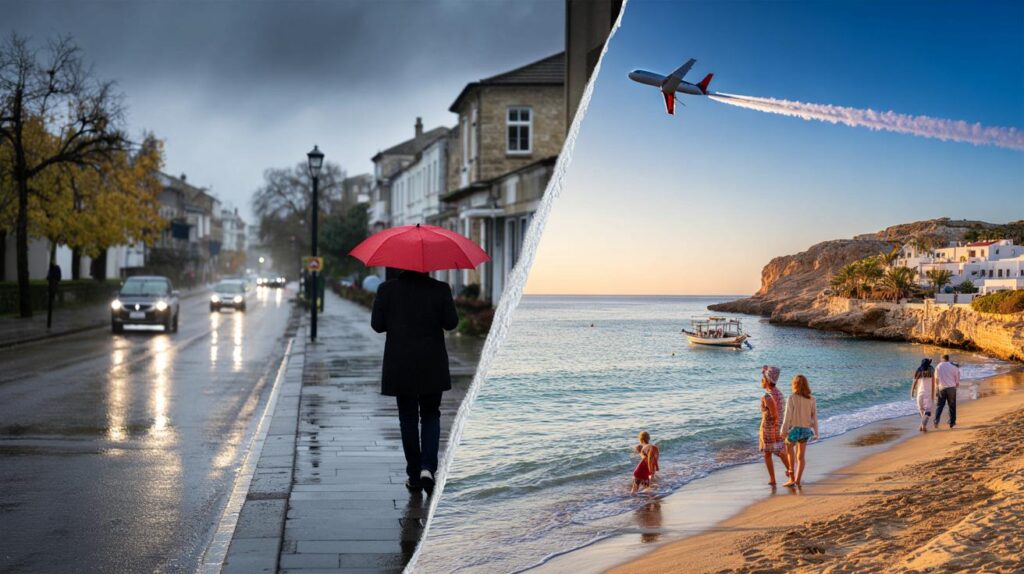
As autumn closes in across Europe, one Mediterranean escape keeps the lights on, the grills hot and the sea inviting.
The first chill of the season often sends holiday towns to sleep. Cyprus bucks the trend. While many European resorts shut beach bars and scale back attractions, this island keeps its season rolling well past the equinox, tempting families and late sunseekers with warm days, swimmable seas and a flight time that won’t eat a long weekend.
Why Cyprus stays warm when others cool
Cyprus sits in the south-eastern corner of the Mediterranean, beyond Greece and south of Turkey, with a subtropical climate that stretches the warm season from spring into late autumn. October afternoons often reach around 28C, with evenings pleasant enough for al fresco dinners. Nights dip, but not to the shiver-and-scarf stage. The sea lingers at roughly 24C, which means actual swimming rather than brave plunges.
October on Cyprus means 28C days, 24C seas and resorts that still feel alive—without the crush of peak August.
For travellers flying from the UK, the island sits less than five hours away. That makes Cyprus workable for half-term, for a spontaneous recharge, or for those chasing a final week of summer while the garden at home gathers leaves.
Where the buzz remains
Paphos and Limassol
On the south and west coasts, Paphos and Limassol keep restaurants, beach clubs and family facilities ticking along in October. Kids’ clubs still run at larger hotels. Promenades fill with evening strollers. The marina in Limassol hums with a mix of locals and late-season visitors, and nearby Blue Flag beaches provide safe bathing and gentle surf.
Protaras and Ayia Napa
Protaras and Ayia Napa shift gear in autumn. The summer crowds thin, but beach life remains. Families gravitate to Fig Tree Bay for its soft sand and calm water. In Ayia Napa, nightlife cools from raucous to friendly, while daytime action continues at water parks and on boat trips along the coast’s coves.
Families get calmer beaches and shorter queues; couples get sunsets and long dinners; solo travellers get easy chat at the bar.
Not just sunloungers: what to do
- Water fun: WaterWorld near Ayia Napa adds Greek-myth flair to slides and rivers; Aphrodite Waterpark in Paphos blends landscaping with big-ticket rides.
- Ancient sights: The Tombs of the Kings in Paphos lift the lid on Hellenistic and Roman burial practices, with rock-cut chambers dating back centuries.
- Old-meets-new: Larnaca, one of the island’s oldest settlements, mixes waterfront cafes with churches, museums and compact neighbourhoods packed with history.
- Nature days: Inland, the Troodos Mountains bring pine-scented trails, cool air and village tavernas serving hearty plates.
What’s on the plate
Cypriot food borrows generously from Greece and the Levant. Meze spreads unveil small plates of dips, grilled meats, seafood and cheeses. Halloumi needs no introduction. Skewers of souvlaki deliver charcoal-scented bites. Stifado stews arrive rich and comforting. Baked pasta—makaronia tou fournou—hits the spot after a swim. Picky eaters won’t struggle; many places also run British-style menus with simple options for children.
How October compares with peak summer
| Factor | October | August |
|---|---|---|
| Daytime temperature | Around 27–29C | Low to mid 30s C |
| Sea temperature | About 24C | 27–28C |
| Crowds | Lighter, easier to find space | Heavy, beaches can be packed |
| Evenings | Pleasant; light layer handy | Warm; short sleeves well into the night |
| Queues and availability | Shorter lines; late deals possible | Book ahead; higher demand |
Practical pointers for a smooth trip
Recent travellers report blue-sky afternoons that flirt with the high twenties, dinners outdoors without a heater, and sea swims that feel kinder than some hotel pools. A light wrap helps after sunset. Sunscreen still matters; the UV index remains punchy at this latitude. Hydration makes beach days easier, especially for children and older travellers.
Driving uses the left-hand side of the road, which makes car hire less daunting for UK visitors. Roads between major towns are modern and well signed. Public buses connect the resort belts, but a car expands your options for mountain villages, wineries and secluded bays. Taxis are widely available in tourist areas.
Quick facts for UK travellers
- Flight time: typically under five hours from major UK airports.
- Power plugs: three‑pin Type G, the same as the UK.
- Currency: euro. Cards are widely accepted; cash helps in small villages.
- Language: Greek and Turkish; English is widely spoken in tourist zones.
- Family appeal: calm seas in October, shorter queues for attractions, and long beach days without the peak heat.
Where to base yourself
Paphos works well if you want a city-beach hybrid, with archaeology within walking distance of dinner. Limassol suits travellers who like a buzzy waterfront and easy access along the coast. Protaras draws families seeking shallow, shielded bays. Ayia Napa fits groups chasing daytime fun and a lively but gentler nightlife in autumn.
Make a plan that matches the weather
Pack layers for evenings, reef-safe sunscreen, and shoes for rocky coves. Schedule water parks or boat trips for the brightest days. Save the Tombs of the Kings, mosaics or a winery visit for a slightly breezier afternoon. Aim for early swims if you prefer a quiet beach; late afternoons bring golden light and softer heat.
Half-term falls neatly into Cyprus’s shoulder season: fewer crowds, friendly prices, and summer you can still feel on your skin.
Extra details that broaden your options
Those keen on variety can split a week between coast and mountains. Two nights in the Troodos region break up beach days with cool forest walks and village craft workshops. Food-lovers can spend an afternoon learning the difference between fresh and grilled halloumi, or tasting regional wines such as Xynisteri and Maratheftiko. If you’re travelling with toddlers or older relatives, prioritise beaches with gentle shelves and lifeguards, such as parts of Protaras and central Limassol.
Risk-wise, jellyfish are uncommon but possible; a quick check with lifeguards helps. Autumn wildfire risk drops compared with peak summer, yet trail closures can occur after windy spells in the hills. Pack a small first-aid kit and carry water on hikes. If you work remotely, hotels and cafes in major resorts offer decent Wi‑Fi, and quieter October spaces make seaside work breaks viable.



28C in October and 24C seas? Take my money 😎