
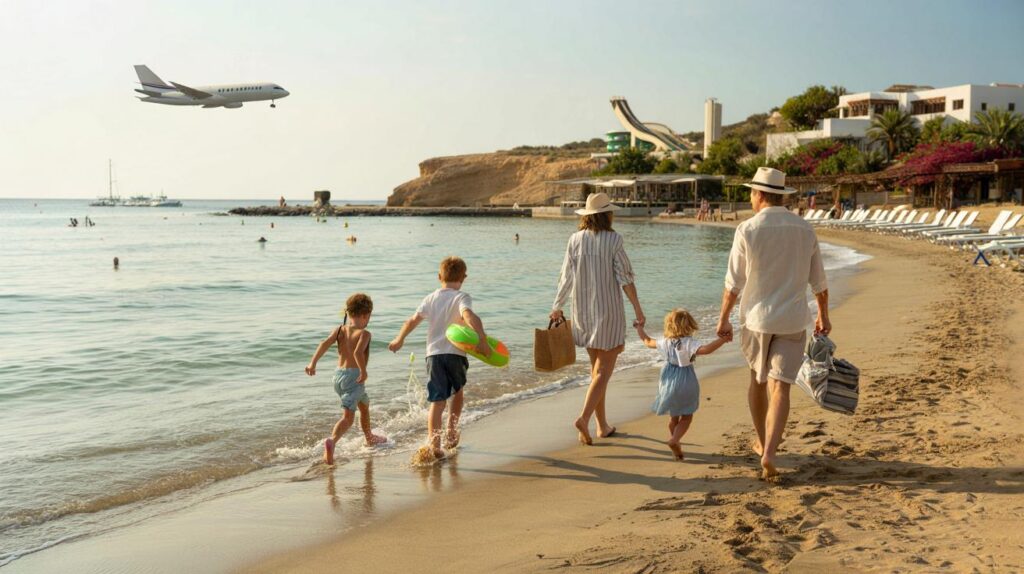
Grey skies looming? One Mediterranean island keeps the party going deep into autumn, with warm seas, lively resorts and long, golden afternoons.
As many European hotspots shut their shutters, Cyprus leans into late-season sunshine. Families, couples and walkers still find energy, value and room to breathe.
Where the heat lingers in october
Cyprus sits in the eastern Mediterranean, southeast of Greece and south of Turkey. Its subtropical climate stretches the warm season from April to November, so October lands squarely in the sweet spot. Daytime temperatures frequently hit 28C, while cooler months still bring around 20C. The sea usually stays inviting at roughly 24C, which suits swimmers and paddleboarders who dislike goosebumps.
From the UK, direct flights take under five hours. That keeps an autumn escape realistic for a long weekend or a half-term week. As part of the European Union, Cyprus offers familiar comforts alongside a distinctive culture, sunlit bays and dependable weather patterns that often put northern Europe to shame.
Think blue skies, 28C afternoons and 24C seas, reachable from Britain in less than five hours — even in October.
Resorts that stay lively
Unlike many Mediterranean destinations that power down after summer, key Cypriot resorts keep their lights on. Restaurants, kids’ clubs and beachfront cafes still hum, with shorter queues and calmer sands.
- Paphos: family-friendly seafronts, an easygoing marina and the always-popular Aphrodite Waterpark.
- Limassol: long urban beaches, a striking marina and several Blue Flag stretches that suit strollers and swimmers.
- Protaras: quieter coves by October; Fig Tree Bay’s soft sand and gentle water make it a safe bet for young children and older travellers.
- Ayia Napa: lively even late in the season, home to WaterWorld with Greek-myth slides and a playful atmosphere.
What to do beyond the beach
History buffs head straight to the UNESCO-listed Tombs of the Kings near Paphos for an evocative step into the island’s ancient past. Larnaca, Cyprus’s oldest city, layers churches, small museums and waterfront life. Inland, cooler air in October suits vineyard visits and nature walks, while coastal promenades welcome prams, scooters and sunset jogs.
Culture for the curious, waterparks for the restless and calm bays for the cautious — late-season Cyprus suits mixed groups.
Food you will actually eat
Cypriot cooking blends Greek and Middle Eastern influences. Meze brings a parade of small plates: grilled meats, fresh seafood, zesty dips and salads. Halloumi stars almost everywhere, grilled or pan-fried. Souvlaki satisfies on the go. Stifado delivers slow-cooked comfort. Makaronia tou fournou — the island’s baked pasta — pleases fussy eaters. Most seafront menus also carry British staples if you need a failsafe option for the kids after a long beach day.
October at a glance, place by place
| Area | October afternoons | Sea | Best for | Late-season vibe |
|---|---|---|---|---|
| Paphos | around 27–28C | about 24C | history, families | kid-friendly clubs, gentle promenades |
| Limassol | around 27–28C | about 24C | urban beach breaks | blue flag beaches, long seafront |
| Protaras | mid to high 20s C | about 24C | calm waters, young families | quiet coves, fig tree bay |
| Ayia Napa | mid to high 20s C | about 24C | waterparks, groups | buzzy yet relaxed |
Half-term tactics for real savings
Arrive midweek if you can. Many hotels loosen prices after the first weekend of half term. Shoulder season often trims 20–40% off peak August rates. Flexible travellers can cut costs further by mixing a main resort with two nights inland or in a quieter bay.
- Book early-bird rooms with free cancellation, then recheck prices a week out.
- Consider an apartment with a washing machine; you can pack lighter and dodge baggage fees.
- Pick a resort with a waterpark nearby to keep one “big day out” on standby without long transfers.
Getting there, getting around
Larnaca and Paphos airports handle the bulk of autumn flights. Transfers run year-round to major resorts. Car hire remains popular because driving is on the left, the same as the UK. Roads are well signposted, and distances are short, which suits families. Type G three‑pin plugs mean no adaptor drama for most UK travellers.
The euro is the currency in the Republic of Cyprus. English is widely spoken in visitor areas, especially hotels, shops and tour desks. Time difference sits two hours ahead of the UK when British Summer Time is in effect, which helps you steal brighter mornings.
Safety, health and comfort
October sun still burns. Pack SPF 30+, a hat and light layers. Hydrate well, especially on boat trips. Beaches usually have gentle swells at this time of year, but pay attention to flags and lifeguard guidance. For young children and older travellers, early mornings and late afternoons deliver the most comfortable beach hours.
Allergy sufferers should note that some coastal areas host late-blooming flora after early autumn showers. If you plan walks inland, closed shoes help on rocky paths. Sea shoes make sense for pebbly coves.
Seven smart ideas for your week
- Start with a slow beach day to reset your body clock, then add one headline activity every other day.
- Visit the Tombs of the Kings in the morning before the midday warmth builds.
- Plan WaterWorld or Aphrodite Waterpark for a day with lighter winds.
- Pick a meze dinner and ask for local olive oil and seasonal salads.
- Choose one sunset: marina stroll in Limassol or the sea caves near Paphos.
- Keep a buffer afternoon for pool time; late-season light is gentle and photogenic.
- Set aside an hour for a bakery run; Cyprus does excellent sesame breads and honeyed pastries.
Why october works for different travellers
Parents get warm water and shorter queues, without the peak-season crush. Retirees appreciate softer heat and smoother promenades. Adventure‑light travellers assemble easy days around safe bays and short drives. Night owls still find late evenings in Ayia Napa and lively bars near Limassol’s marina, minus the midsummer frenzy.
Useful extras before you pack
Think in layers. Daytime calls for breathable fabrics; evenings may want a light pashmina or thin jumper outdoors. A compact snorkel set earns its place, as do dry bags for phones on boat trips. If you plan to self-cater, supermarkets stock British favourites alongside local produce, so meal planning stays simple.
Consider a two-centre stay: two or three nights in Paphos for history and dining, then four nights in Protaras for calmer water and sandy bays. You retain sunshine certainty while adding variety. If you chase value, late October often holds steady temperatures while trimming prices further. For many travellers, that balance makes Cyprus the rare European island that still feels like summer when the clocks prepare to change.



As a Brit: yes please. 28C and warm seas in October? Take my money.
“Family deals under £500” — is that per person or total? Self‑catering, hand luggage only, midweek? Sounds a tad optimisitc for half‑term.