
Cold snaps are creeping in, orchards hang heavy, and households face a choice: pick now, or gamble for richer flavour.
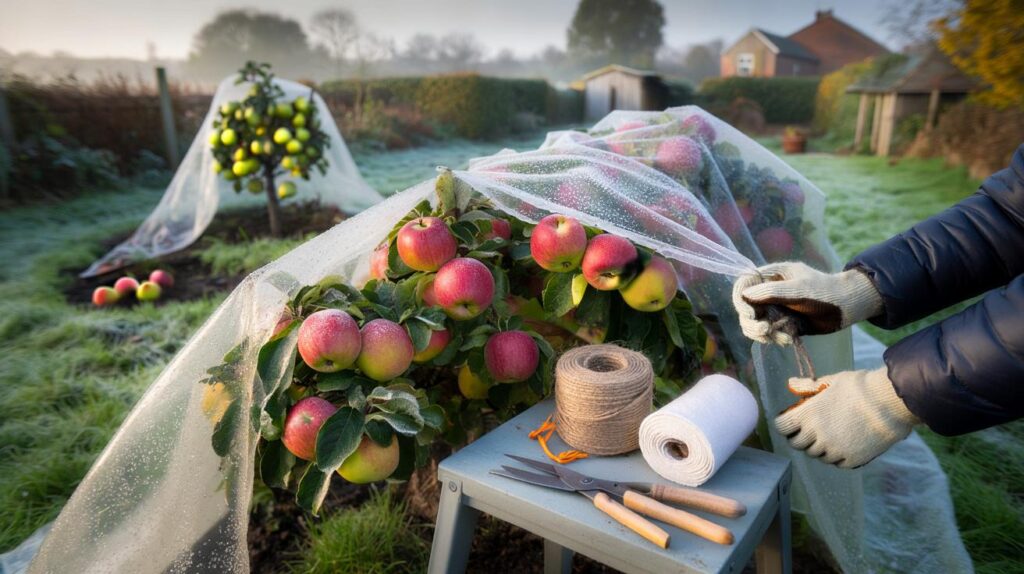
This season, a once-forgotten autumn habit is returning to sheds and allotments. Gardeners are slipping lightweight fleece over loaded branches, shielding fruit from stealthy night chills. The move sounds modest. The gains, reported across villages and suburbs alike, look anything but.
Old wisdom returns to the orchard
For generations, families in temperate Britain watched the sky, felt soil underfoot, and read the orchard like a diary. They knew when a sharp night could scald the skin of a pear or turn a firm apple mealy. Their answer was simple protection. Not plastic tarps. Not heaters. A breathable cover that kept a whisper of warmth near the fruit, and let air move so moisture did not linger.
That same idea is back, this time with modern horticultural fleece that weighs little and costs less than a takeaway. The method stretches picking windows into November in many gardens, particularly for late apples and mid-season pears that flirt with frost risk.
Slip fleece over fruiting branches when night forecasts fall to 5°C or below. Expect 10–21 extra days on the tree.
How a thin fleece buys time and flavour
A light fleece forms a microclimate. It traps a thin layer of air and softens wind chill. Trials by community growers show the cover often lifts the temperature around fruit by 1–3°C. That small cushion can prevent the cell damage that triggers browning, softening and early drop. The fruit keeps breathing gently. Sugars continue to build. Acids mellow.
Pickers then meet apples with better snap and aroma, and pears that hold their shape instead of splitting after a cold dawn. Many note stronger colour on sun-facing sides, because the fleece reduces harsh swings while still letting light through.
When to cover, when to lift
Timing makes the difference. Wait too long and you lose fruit before the fleece goes on. Start too early and you risk unnecessary humidity. Most home growers now follow a simple rule: cover when the forecast shows two consecutive nights at 5°C or lower. Uncover during calm, bright days to ventilate and to pick.
Step-by-step for a single tree
- Check the forecast each afternoon once October nights dip below 7°C.
- Cut fleece into 40–60 cm strips for branches, or use a full sheet for compact trees.
- Wrap loosely around the heaviest-laden branches. Leave gaps for airflow.
- Secure with soft ties or clothes pegs. Avoid tight knots that mark bark.
- Lift fleece in late morning on dry days. Replace before dusk if temperatures threaten to drop again.
- Remove fully for heavy rain and wind, then reset once conditions settle.
A £12 roll of fleece can protect two small apple trees or one mature espalier for the whole season.
Costs, kit and quick wins
Horticultural fleece comes in weights from 17 g/m² to 30 g/m². The lighter grade suits autumn protection. It breathes well and adds gentle warmth without smothering fruit. A 10 m roll typically costs £8–£15. Many gardeners reuse fleece for up to three seasons if they dry it before storage and repair small tears with tape.
Soft jute twine, old tights, or plastic-free clips secure the material without cutting into wood. A small step stool helps reach upper boughs safely. Keep secateurs to hand to remove damaged fruit before it spoils the rest.
What to expect: numbers you can use
| Measure | Without fleece | With fleece |
|---|---|---|
| On-tree time after first 5°C night | 2–5 days | 10–21 days |
| Fruit losses to cold snap | 25–45% | 10–20% |
| Typical temperature gain at fruit | 0°C | +1 to +3°C |
| Outlay per tree, reusable | £0 | £4–£12 |
Numbers vary with aspect, shelter and variety. Early frosts hit open sites hardest. South-facing walls raise gains. Late cultivars benefit most because their prime ripening window overlaps the first cold nights.
Which apples and pears respond best
Late apples such as ‘Braeburn’, ‘Egremont Russet’ and ‘Pixie’ often reward covering. Among pears, ‘Concorde’ and ‘Doyenné du Comice’ hold well with protection. Early dessert apples may not need much help unless a rogue frost arrives in October. Cooking apples keep on trees longer and still gain a cleaner skin under cover.
Red flags to watch
- Condensation beads inside fleece after rain. Ventilate at midday to dry fruit and stems.
- Strong gusts whip loose ends. Trim or tie back to stop abrasion on fruit.
- Overtight wraps flatten fruiting spurs. Keep the material loose and sprung.
Health benefits for the tree
Protecting fruit also protects bark and spurs from cold shock. That reduces small cracks where disease can take hold. Many growers report fewer blemishes and less canker on sheltered branches the following spring. Trees that avoid repeated cold injury put more energy into blossom set, which improves next year’s crop potential.
Storage still matters after a later pick
Extended hanging time does not remove the need for good storage. Keep apples at 1–3°C in a dark, ventilated spot. Separate pears that need to finish ripening at room temperature. Use shallow trays. Check weekly and remove anything bruised. A saved kilogram or two each week soon matches the cost of the fleece.
Risks and how to avoid them
Fleece traps air. It also traps any problems you ignore. Clear mummified fruit and scabbed leaves before you wrap. Thin crowded clusters so fruit does not press together and sweat. If slugs climb from mulch during mild spells, add copper bands around trunks or raise low-hanging fruit with simple props.
Why this matters to households now
Food prices remain jumpy. Many families now squeeze extra value from small gardens and shared allotments. A roll of fleece costs less than a supermarket bag of premium apples. The method needs minutes, not gadgets. The reward is weeks of better fruit and fewer losses to the first nip of winter.
Going further: pair fleece with smart orchard habits
Moist soil buffers roots against cold swings. Water well before a dry, cold spell, then let the surface dry to reduce fungal risk. A 5–8 cm ring of leaf mould or woodchip mulch holds warmth overnight. Prune only light summer shoots now; save heavier cuts for late winter to prevent soft growth that chills easily.
Try a mini trial in your garden
Cover half a tree and leave the other half as a control. Tag fruit clusters on each side. Record dates, temperatures and drop rates. Count how many days the covered side keeps fruit edible. Weigh saved fruit. You will see your own figures, not just averages. Many gardeners find a 30–40% reduction in losses and two extra weekends of picking.
Beyond apples and pears
The same fleece helps late raspberries during a cold snap, shields quince from skin damage, and guards fig tips that set next year’s crop. On veg beds, it softens the blow for chard and lettuces after the clocks change. One roll serves many corners of a plot, which spreads the cost and keeps waste down.
For those new to orchards, one term to note is “degree days”. This is the sum of heat the fruit receives over time. By preventing cold shocks and holding a slightly warmer envelope overnight, fleece protects those precious degree days near the end of the season, when aroma and texture make their final gains. Add that to decent storage and careful handling, and your kitchen keeps tasting like autumn well into November.



Cheaper than a bag of posh apples—sold.