
Kitchen spices are marching into the bathroom, and households are reporting cleaner vibes, lighter costs and fewer plastic gadgets.
A low-cost throwback is spreading from kitchens to loos and vanities across the UK. The unlikely pairing of whole cloves and a plain soap bar is being tested for two quick wins: a gentler scent with every flush and a seven-minute purifying face mask. Here is what people are doing, why it may work, and where to tread carefully.
Why cloves and soap are back in bathrooms
Clove buds hold eugenol, a warm, spicy compound used in flavouring and traditional remedies. A plain bar of soap dissolves slowly in water. Put them together and you release scent and mild cleansing agents step by step. That makes the duo tempting for busy homes trying to trim plastic and save money.
Ten cloves, one bar of soap, one week: many readers say the bathroom odour shifts from stale to warm without spray cans.
The simple method
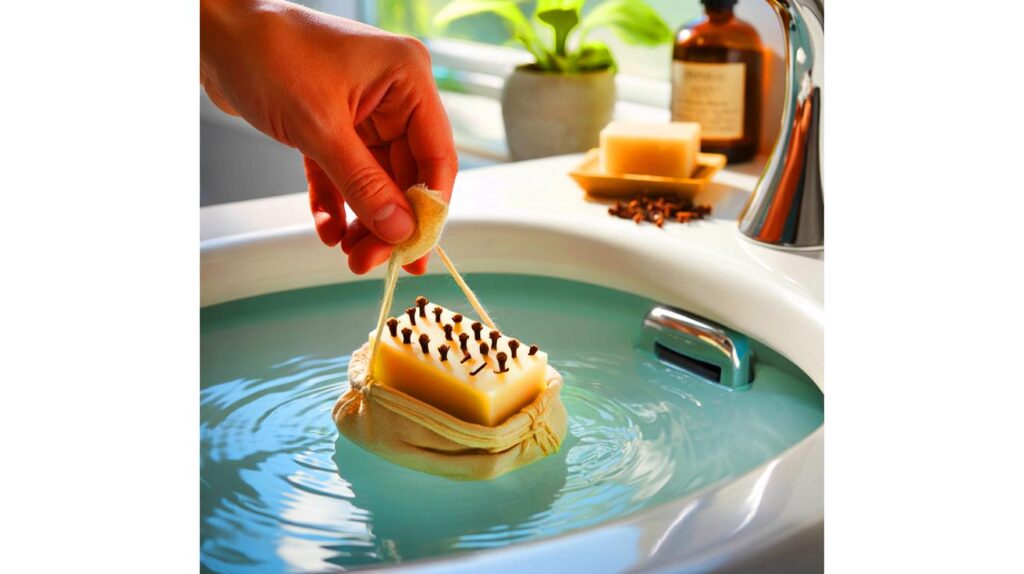
Take a neutral, unscented soap bar. Press ten whole cloves halfway into one face of the bar. Wrap the bar in a thin fabric pouch, a worn nylon or a fine sock. Tie it shut so no clove escapes.
Does the toilet cistern trick work?
Drop the pouch into the toilet cistern, not the bowl. Each flush runs fresh water over the bar. A trace of soap and clove aroma enters the tank water, then the bowl. You get a gentle, periodic release rather than a blast of perfume.
What you will notice
- A mild, spicy scent after the first few flushes.
- Less reliance on rim blocks or aerosol sprays.
- Gradual fade after two to three weeks, depending on usage.
Keep the bar bagged and away from moving parts in the cistern. Replace when the bar thins or the scent fades.
What plumbers want you to know
Do not leave a loose bar floating. Soap residue can cling to parts and, in some set-ups, foam can reduce flush efficiency. If you live with a septic tank, test first. Excess surfactants can disturb the tank’s bacterial balance. Check your toilet manufacturer’s guidance before placing any product in the cistern.
A seven-minute purifying mask for busy faces
The clove-and-soap mask is quick and minimalist. It targets oil, surface debris and the odd blemish. The texture is light. The scent is warming. The timing stays short.
Ingredients and steps
- One tablespoon of finely grated unscented soap.
- Three whole cloves, crushed to a coarse powder.
- Hot water, added drop by drop.
Mix the grated soap and crushed cloves. Add hot water until you reach a smooth paste. Spread a thin layer on clean skin, keeping clear of the eye area and any broken skin. Leave for up to seven minutes. Rinse with lukewarm water. Pat dry and follow with a simple moisturiser.
Skin types, risks and patch testing
Eugenol can irritate sensitive skin. Patch test first on the jawline for 24 hours. Skip if you react to clove, cinnamon or fragrance mixes. Use no more than twice weekly. Do not use on eczema, active dermatitis or after strong exfoliants. If tingling moves to burning, rinse immediately.
Limit wear time to seven minutes and patch test first. Clove’s eugenol is potent and can irritate sensitive skin.
What it costs, what it saves
Households chasing smaller bills see a gain here. The parts are cheap. The waste is low. The scent is soft, not shouty. Here is a rough comparison for a typical month.
| Option | Approximate cost per month | Plastic waste | Fragrance strength | Risks |
|---|---|---|---|---|
| Clove-studded soap in cistern | £1–£2 | Low | Light, warm | Residue in cistern if unbagged |
| Rim block | £2–£4 | High | Strong, chemical | Plastic holder, coloured water |
| Aerosol spray | £2–£3 | Can and cap | Instant burst | Propellants, short-lived scent |
Why the duo makes sense
Soap dissolves with each flush. This lifts a trace of clove aroma into the water stream. The effect is metered by use. On skin, grated soap helps form a stable paste with water. Clove’s eugenol shows antibacterial and anti-inflammatory activity in laboratory settings. That may help with spots triggered by surface bacteria and congested pores. The key is restraint: low dose, short wear, and careful patching.
Frequently asked questions you are asking
Will the bar stain the tank or bowl?
Pure white soap and whole cloves should not stain porcelain. Avoid dyed soaps, glitter soaps or heavy fragrances that can colour water or leave film.
How long does the scent last?
Expect one to three weeks, depending on how often you flush and the size of the bar. You can top up by adding five more cloves when the scent dips.
Can I use ground clove instead of whole?
Whole cloves hold shape and release slower. Ground clove diffuses fast and can escape the pouch. Stick to whole buds for the cistern. For masks, crush fresh from whole buds to control grit.
If you want the benefit without touching the cistern
- Hang a clove-studded soap in a fabric pouch behind the toilet, away from splashes.
- Place a small bowl of baking soda with three cloves on the bathroom shelf for gentle odour control.
- Use a weekly hot wash of the brush holder with a drop of washing-up liquid and two crushed cloves for a fresher corner.
extra tips for safer, smarter use
Keep cloves away from pets. Cats and dogs can react to concentrated essential oils. Store spare cloves and bars out of reach. If you share a home, label the cistern pouch so no one mistakes it for a blocked mechanism and removes it.
Want a stronger scent but the same low waste? Combine the clove bar with better airflow. Open a window for five minutes after showers. Wipe condensation with a microfibre cloth. Moist, stagnant air traps odours. Fresh air does the heavy lifting; the clove bar adds warmth.
Bag it, label it, and keep it short: that trio keeps your tank safe and your skin calm while you trial the trend.
For skincare fans, you can build a simple routine around the mask. Use it after a gentle cleanse on oilier zones only. Follow with a fragrance-free moisturiser and, in the morning, sunscreen. Space active acids or retinoids at least 24 hours away from clove use to lower the chance of irritation.
For the budget-minded, track results. Note odour levels and skin changes over seven days. If you like the effect, scale the idea: one bar in the main bathroom, one in the guest loo, one tiny jar of crushed clove in the cupboard for the mask. If not, remove the pouch and return to familiar products with no harm done.



Tried this in our rental flat and by day 3 the bathroom smelled gently spicy, not fake-perfumed. Bonus: no lurid blue water. I bagged the bar in a nylon like you suggested—no gunk on the flapper valve. Cheap and cheerful.
As a plumber, I’m not convinced. Even ‘trace’ soap can build film on fill valves over months. Anyone got long-term data, not just a week? Also, septic folks—please dont risk the bacterial balence.