
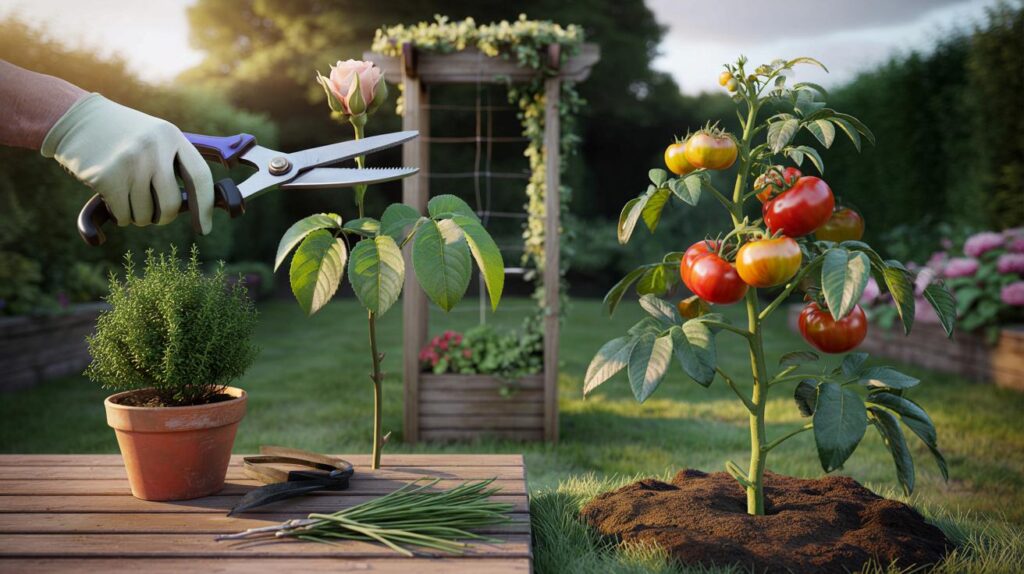
September’s gentle light hides a ticking clock for gardens. Act now and you could save months of colour, fragrance and food.
The late-summer lull can fool even seasoned growers. Yet a focused round of pruning this month shapes next spring’s display, steadies shrubs for winter weather and squeezes a last push from edible crops.
Why september cuts still matter
Plants respond to the shortening days by hardening new wood and storing energy. Well-timed pruning in September takes advantage of that shift. You direct resources into flower buds, ripening fruit and strong framework growth before the first frosts arrive.
Leave it too late and soft regrowth may be nipped by cold. Do it now and you reduce wind damage, improve airflow and limit disease over the damp months ahead.
September pruning channels energy where you want it: blossom spurs, firm fruit and a tidy framework that rides out winter gales.
Wisteria: quick cuts for spring bloom
Wisteria rewards precision. Shorten this summer’s long laterals back to five or six buds from the main stem. That keeps the framework neat and sets up stout spurs that carry next year’s flower clusters.
Remove dead, rubbing and inward-facing shoots to open the plant. Tie in any young, well-placed stems you plan to train along wires or a pergola. Keep blades sharp and clean between plants.
How to do it in 5 minutes
- Trace a long summer shoot back to where it meets older wood.
- Count five to six plump buds and cut just above the top bud at a slight angle.
- Snip out twiggy clutter and any brown, lifeless tips.
- Step back often to keep symmetry across the structure.
Cut summer laterals to 5–6 buds and bin diseased wood; leave the permanent framework intact.
Raspberries: set up next summer’s canes
With summer-fruiting raspberries, every cane is a two-year story: first year they grow, second year they fruit, then they’re finished. In September, take out the canes that fruited this year right down to soil level. Keep the fresh, green canes, spacing them 10–15cm apart along wires, and tie them in to resist autumn winds.
For autumn-fruiting raspberries, keep harvesting. Once the first frosts blacken the tops, cut all canes to ground level and mulch to protect the root system. That clean slate helps reduce pest carry-over.
Common mistakes to avoid
- Confusing young canes with spent ones: older canes look woody, darker and often branched.
- Leaving stubs above ground: cut at soil level to reduce disease entry points.
- Skipping support: unsecured canes whip in wind and snap at the base.
Summer raspberries: remove all fruited canes to ground and tie in new green canes; autumn types: cut all canes after first frosts.
Rosemary: light and early wins
Rosemary needs restraint. Trim after flowering and finish pruning at least six to eight weeks before your area’s first hard frost. Aim to reduce the plant by no more than a third, shaping the outer growth and never cutting back into lifeless, grey, leafless wood, which rarely reshoots.
Use the trimmings: wash, pat dry and air-dry small sprigs for winter cooking. In containers, pair pruning with a check on drainage to prevent chilly, wet roots.
Roses: stop wind rock, keep disease down
September is about tidiness and strength. Deadhead repeat-flowering shrubs by cutting back to just above a strong, outward-facing leaf with five leaflets. Thin congested centres to improve airflow, and shorten long, whippy shoots by a third to stop wind rock loosening the root plate.
If you love hips, pause deadheading from October so the seed pods develop. Avoid high-nitrogen feeds now; you want sturdy wood, not lush soft growth.
Shorten long shoots, thin the centre and deadhead to a five-leaflet leaf; pause cuts if you want showy hips later.
Tomatoes: finish the crop you’ve got
At this stage the goal is ripening. Pinch out the growing tips of cordon tomatoes so the plant stops throwing new flowers and focuses on swelling existing fruits. Remove yellowing or diseased lower leaves to lift airflow around trusses, but keep a modest canopy to shade fruits from sudden cold snaps.
Water sparingly to a steady rhythm and ventilate greenhouses on bright days. Outdoors, raise pots off cold paving and pick any fruit showing the first blush to finish off on a sunny windowsill.
Ripening checklist
- Topping: remove the soft tip above the last fruit truss you plan to keep.
- Leaf hygiene: strip lower yellow leaves; keep healthy leaves near fruit.
- Moisture: slightly drier compost signals the plant to concentrate on ripening.
| Plant | What to cut now | How much | Why it helps |
|---|---|---|---|
| Wisteria | Summer laterals; dead or crossing wood | Back to 5–6 buds | More flower spurs and a tidy framework |
| Raspberries (summer) | All fruited canes | To ground level | Prevents disease, frees space for next year’s crop |
| Raspberries (autumn) | After first frosts: all canes | To ground level | Clean regrowth and easy maintenance |
| Rosemary | Soft, leafy tips; straggly shoots | Up to one-third overall | Dense shape that resists winter wind |
| Roses | Spent blooms, damaged canes, congested stems | Light thinning; shorten by a third | Better airflow, fewer black spot problems, less wind rock |
| Tomatoes | Growing tips; yellow lower leaves | Tip removal; selective leafing | Directs energy into ripening existing fruit |
Clean cuts, clean tools
Sharp, sanitised blades make smoother wounds that seal faster. Wipe secateurs between plants with 70% alcohol or a 1:10 bleach solution, then dry. This simple habit reduces the spread of canker, rose black spot and tomato blight spores on damp September days.
Make cuts just above a bud at a slight angle so water runs off. Cut to outward-facing buds to set growth away from the centre of the plant.
Timing by region
Frost arrives earlier in the Highlands and northern uplands than in southern coastal gardens. In cooler regions, bring pruning forward a week or two so new wounds settle before temperatures slide below 5°C at night. In sheltered cities you can often push tasks later, but keep an eye on long-range forecasts and soil moisture.
What to do with the trimmings
Compost clean, disease-free soft growth and shred thicker stems before adding to the heap. Bag and bin any blight-infected tomato foliage or black spot leaves. Consider saving pencil-thick, non-flowering shoots of rosemary and shrub roses for hardwood cuttings; it’s an economical way to replace gaps and share plants with neighbours.
Small upgrades that pay off
A simple pair of bypass secateurs, a pocket hone for sharpening and two stout plant ties can change the outcome of your September session. Add a pair of snug gloves and safety glasses when tackling roses or wisteria on ladders. Ten minutes of preparation reduces slips, torn bark and snapped canes, which cost you flowers and fruit next year.



Wisteria: 5–6 buds — game changer, cheers!