
Shoppers love a bargain with benefits. A small, crimson surprise now promises gym-bag convenience and breakfast-table colour without fuss.
A new grape with a berry-red centre has landed on UK shelves, with early science and a punchy price tag turning heads.
New fruit lands on shelves
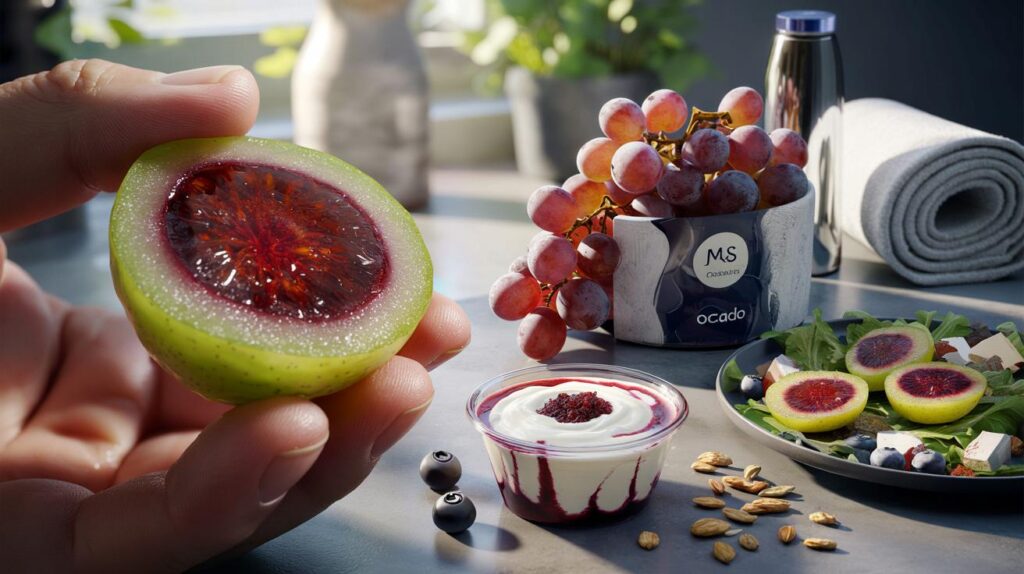
Meet Boombites, a naturally bred red-fleshed grape sold exclusively at M&S and Ocado for £3 a punnet. On the outside, they look like classic table grapes. Bite through the firm skin and the centre floods the mouth with a sweet, cherry-leaning pulp that is unmistakably red. The look is dramatic. The taste stays familiar.
£3 a punnet, sold at M&S and Ocado, with antioxidant levels comparable to blueberries and triple the resveratrol.
Producers position Boombites as an easy snack that needs no peeling, pitting, or prep. The fruit rolls from desk drawer to lunchbox to post-gym refuel. The vivid colour comes from anthocyanins, the same plant pigments found in dark berries.
How breeders created the red-centred bite
The fruit is the result of conventional cross‑breeding, not genetic modification. Breeders combined older, red‑fleshed grapes used historically for wine with modern, crunchy, seedless table grapes. They worked through thousands of crossings to capture a crisp bite, a deep ruby interior and high polyphenol content in one seedless grape.
A hybrid with a twist
Standard table grapes have pale flesh. These newcomers are different: a translucent skin guards a jewel-toned centre. The result brings the look of a berry with the handheld ease of a grape. Texture matters here. The snap of the skin contrasts with the soft, juicy core, which helps the fruit stand up well in salads and desserts.
Why nutrition watchers care
Boombites contain anthocyanins and resveratrol, two polyphenols linked with cardiovascular and metabolic benefits in population research. Tests from the University of Murcia measured around three times the resveratrol found in blueberries, alongside broadly comparable antioxidant capacity. Those findings place the fruit in a busy “dark fruit” aisle, where consumers increasingly look for colour as a cue for polyphenols.
Laboratory testing reports around 3x the resveratrol of blueberries, while maintaining a sweet, snackable profile.
Public health nutrition specialists say colour often signals useful plant compounds. Anthocyanins contribute to vascular function, support a healthy gut environment and help manage oxidative stress. Resveratrol, a defence compound in plants, features in studies associated with the so‑called French paradox and remains a focus for heart health research.
The blood sugar angle
New data from the technology centre AINIA in Valencia suggests the fruit’s sugars may be absorbed more slowly compared with standard grape varieties, despite similar fructose content. The proposed reason lies in the whole‑fruit matrix: polyphenols and fibre appear to mediate transport of sugars in the gut.
Sweet to taste, yet early data points to slower glucose uptake compared with standard grapes of similar sugar content.
Dietitians following the research say this could support weight management strategies and insulin control for some people. The finding may reassure shoppers who enjoy fruit but count carbohydrates. As ever, real‑world responses vary; portion size still matters.
Early research, by the numbers
- £3 per punnet in the UK at launch (M&S and Ocado).
- 3x resveratrol versus blueberries, in lab analyses from the University of Murcia.
- Comparable antioxidant capacity to blueberries in those same tests.
- Population data links higher polyphenol intake with a 46% lower risk of cardiovascular disease.
- In one cohort of 3,420 older adults at high cardiometabolic risk, higher polyphenol intake associated with a 28% lower incidence of new‑onset diabetes.
These numbers frame potential, not promises. They draw on lab measures and observational cohorts, which suggest directions for future trials rather than providing clinical guidance.
Taste, uses and simple swaps
The flavour sits firmly in grape territory with hints that nod toward cherry and berry. The red pulp bleeds colour into yoghurt or porridge, making a plain breakfast feel special. In savoury dishes, it offers a sweet counterpoint to salty cheese or bitter leaves.
- Breakfast: slice over porridge with toasted seeds for crunch.
- Lunch: add to a rocket, walnut and feta salad for sweetness and colour.
- Snack: pair with a small handful of almonds to slow the release of sugars.
- Dessert: tumble onto vanilla skyr with a dusting of cocoa.
- Freezer trick: freeze whole for a cold, sorbet‑like treat after training.
Buying, storage and availability
| Detail | What to expect |
|---|---|
| Where to buy | Exclusively at M&S and Ocado at launch |
| Price | £3 per punnet (promotional pricing may vary) |
| Format | Seedless, ready to eat, red‑fleshed grapes |
| Storage | Refrigerate; wash just before eating to retain bloom and texture |
Questions shoppers are already asking
Are they genetically modified
No. Breeders achieved the red flesh through conventional crossing of red‑fleshed wine grapes with modern table grapes. The process took many iterations to get seedlessness, crunch and colour into one fruit.
Do they count as a portion of fruit
Yes. A typical handful contributes to five‑a‑day goals. People who track carbohydrates may wish to weigh portions and pair with protein, as they would for other sweet fruit.
How do they compare nutritionally
Analyses indicate comparable antioxidant capacity to blueberries with markedly higher resveratrol. Versus standard grapes, the new varieties show higher polyphenols and evidence of slower glucose uptake. Nutrient content varies by harvest and storage, as with all fresh produce.
What this could mean for weekly baskets
For £3, households get a fruit that doubles as a snack and a garnish. The red centre lends itself to lunchbox variety without introducing seeds or peel. For those who guard against blood sugar spikes, pairing a serving with yoghurt, nuts or a slice of cheese can further slow absorption, supporting energy steadiness between meals.
Fitness fans might see a role before or after training. The fruit hydrates and brings rapid refreshment, while polyphenols remain a talking point in recovery research. Boombites also freeze well; a few minutes on the counter softens them into a refreshing, spoonable bite for hot days.
A note on the science and next steps
The strongest claims around polyphenols come from population studies and lab assays. These paint encouraging patterns, yet they do not substitute for clinical trials that test outcomes over time. Even so, the convergence of colour, convenience and measured polyphenols makes this launch stand out in a crowded produce aisle.
Shoppers who enjoy the berry‑like centre will likely keep buying for taste alone. Those tracking health markers may see Boombites as a neat swap for puddings or mid‑afternoon sweets. The blend of familiar flavour, striking appearance and a £3 price gives this fruit a credible shot at sticking around beyond the initial buzz.



Tried them today from M&S—crisp snap and that ruby centre is gorgeous. £3 feels fair if they really pack 3x resveratrol vs blueberries. Anyone tested them in yoghurt? Do they bleed too much?
3 quid for grapes with a marketing degree? I’ll wait for yellow stickers 🙂 Also “early science” sounds like “maybe, ish”. Tasty tho?