
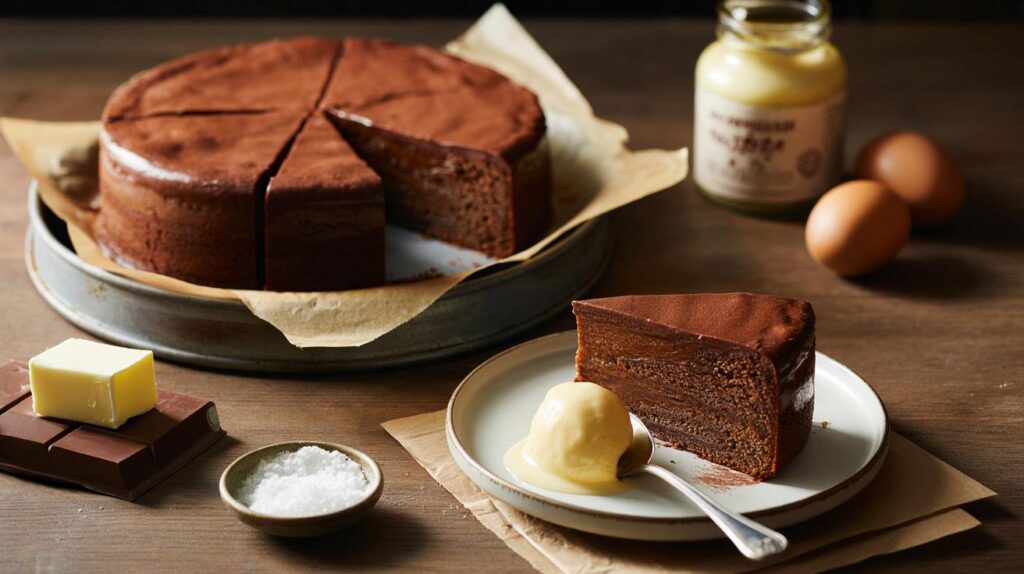
As nights draw in and heating bills bite, kitchens turn cosy and something velvety, dark and nutty steals the moment.
Across Britain, home cooks are reaching for a flour-free chocolate and chestnut fondant that leans into autumn’s mood: minimal effort, big flavour, soft warmth. It looks indulgent, slices neatly, and carries that fireside hush you want after a long, damp day.
A flour-free favourite gains ground with the first frosts
This pudding feels timely because it respects the season. Chestnut cream brings orchard sweetness and a silky body, while dark chocolate provides backbone and depth. No flour means a dense yet tender crumb that barely holds a spoon-mark. You get comfort without faff, and a method that suits weeknights or a relaxed Sunday gathering.
Six ingredients, one bowl, and a low, slow bake that leaves the centre with a gentle wobble.
What sets it apart
Chestnut cream does more than sweeten. It binds the eggs and butter, lending a plush, almost truffle-like texture. The result: a cake that eats like a fondant, slices like a tart, and pairs easily with cream or ice cream.
The essentials you need
Choose a dark chocolate with at least 65% cocoa solids to keep the flavour honest. A decent chestnut cream makes a noticeable difference, so check the jar for a high chestnut percentage.
| Ingredient | Quantity | Notes |
|---|---|---|
| Dark chocolate | 200 g | 65% cocoa or higher for structure and depth |
| Unsalted butter | 80 g | Melt with the chocolate for a glossy base |
| Eggs | 4 | Room temperature for a smooth emulsion |
| Chestnut cream | 250 g | Look for a high chestnut content; sweetness varies |
| Fine salt | 1 pinch | Rounds the cocoa notes |
| Caster sugar (optional) | 1 tbsp | Only if your chestnut cream tastes very low in sugar |
Method at a glance
- Heat oven to 165°C fan. Grease a 20 cm tin and line the base.
- Melt chocolate and butter together over a gentle bain-marie until smooth.
- Beat in the eggs one at a time until the mixture thickens and turns satiny.
- Fold in chestnut cream and a pinch of salt. Add sugar only if needed.
- Pour into the tin and bake for 20–25 minutes until the edges set and the centre trembles.
- Cool 10 minutes in the tin. Serve warm or at room temperature.
Target texture: set edges, a faint ripple in the middle, and a knife that comes out with a soft sheen.
Texture, serving and timing
The sweet spot is just-warm. The thin top cracks like lacquer, then yields to a custardy centre. That contrast brings the drama people expect from a fondant without the stress of individual puddings.
Ways to serve without overcomplicating
- A dollop of softly whipped cream adds cool lift.
- Vanilla ice cream provides temperature play and gentle aromatics.
- Crumbled marrons glacés or toasted nuts bring crunch and fragrance.
Practicalities: storage, swaps and dietary notes
- Storage: keep covered in the fridge for up to 3 days. Warm slices briefly in the microwave, or leave 30 minutes at room temperature.
- Gluten-free: the mix contains no flour. Check the chestnut cream label if you cook for someone highly sensitive.
- Dairy swap: plant butter works; choose one with at least 75–80% fat for similar mouthfeel.
- Chocolate choice: a 70% bar gives a firmer set and cleaner finish; 65% tastes slightly sweeter and softer.
- Make-ahead: bake the day before and chill. The texture becomes fudgier and the chocolate relaxes.
Variations that actually work
- A whisper of sea salt lifts the cocoa and reins in sweetness.
- A grating of tonka bean or a scrape of nutmeg adds perfume, used sparingly.
- Fold in 60 g toasted hazelnuts or pecans for a crackly bite.
- Mini format: bake in muffin tins for 12–14 minutes; pull when the centres quiver.
Why chestnut makes sense now
Chestnut season peaks as clocks change, and the ingredient brings more than nostalgia. Chestnuts are lower in fat than many nuts and lend a clean, earthy sweetness that suits chocolate. Jarred chestnut cream varies in sugar and chestnut percentage, so taste before adding extra sugar. If you prefer full control, whisk unsweetened chestnut purée with a spoon of maple syrup and a trickle of vanilla to your liking, then fold it through the batter.
There is also a sustainability angle. Chestnut-growing regions rely less on intensive inputs than some other crops, and the trees support biodiversity when managed well. Buying products from producers who state orchard origins can help you trace quality and practices.
Cost and energy check for careful cooks
Using mainstream supermarket basics, a single 20 cm cake typically comes in near the £5 mark when you cost only the amounts used, especially if you buy chocolate in larger bars and chestnut cream on promotion. Prices jump with premium chocolate, so match the bar to the occasion.
| Line item | Indicative cost per cake | Notes |
|---|---|---|
| Chocolate (200 g, 65–70%) | £2.00–£3.00 | Multipacks or own-label keep costs steady |
| Chestnut cream (250 g) | £1.60–£2.50 | Seasonal jars often appear from October |
| Butter, eggs, pantry bits | £0.90–£1.40 | Based on partial use from fridge staples |
Energy use matters too. A modern electric oven rated around 2 kW, run for 25 minutes at 165°C fan, might draw roughly 0.8 kWh. On a unit rate near 30p/kWh, that’s about 24p for the bake. A counter-top air fryer or mini-oven can trim that, provided your tin fits; try 150–155°C for 16–18 minutes, checking early, as smaller cavities brown faster.
Troubleshooting for a clean finish
- Greasy patches: the mix was too hot when the eggs went in. Let the chocolate cool slightly before whisking.
- Dry edges: pull the cake earlier and rely on carryover heat. A faint jiggle keeps the centre creamy.
- Over-sweet: use a higher-cocoa chocolate or switch to a chestnut purée sweetened to taste.
- Crumbly slice: chill 30 minutes before cutting, then warm the plate. The slice holds, the mouthfeel stays soft.
For context and next steps
This fondant acts as a gateway to chestnut cooking. Try piping a thin layer of chestnut cream into crêpes with cocoa nibs, or swirl it through brownie batter for a marbled traybake. If you forage or buy fresh chestnuts, score and roast, then blend into a simple purée with a dash of milk or plant drink. That purée becomes a base for soups, tarts and even a quick chocolate spread when blitzed with cocoa and a neutral oil.
For those baking around dietary needs, the flour-free base removes one common hurdle. If nut traces pose a risk, check labels carefully on chocolate and jarred creams. For a lower-lactose route, swap butter for an aroma-neutral plant fat and serve with coconut yoghurt instead of dairy. The technique remains the same: gentle melt, steady whisk, low oven, and a deliberate wobble that tells you the centre will be lush on the plate.



Just baked it: set edges, soft wobble in the middle—spot on. Silky, not too sweet. Keeper.
Where are folks in the UK finding chestnut cream that isn’t super sugary? My local only has very sweet stuff and the price blows past £5. Would unsweetened purée + a teaspoon of maple (as you suggest) keep the texture right, or do I need the extra sugar to bind? Also, any brand recs? thx!