
Butter divides home cooks more than you think: price, colour, salt and fat spark arguments at the dairy aisle. This week, chefs weighed in.
We asked four working chefs which supermarket block they actually buy, and why the fat number on the label matters. Their answers point to one frontrunner, clear reasons for choosing unsalted, and a neat rule of thumb for better baking and frying.
What chefs actually buy
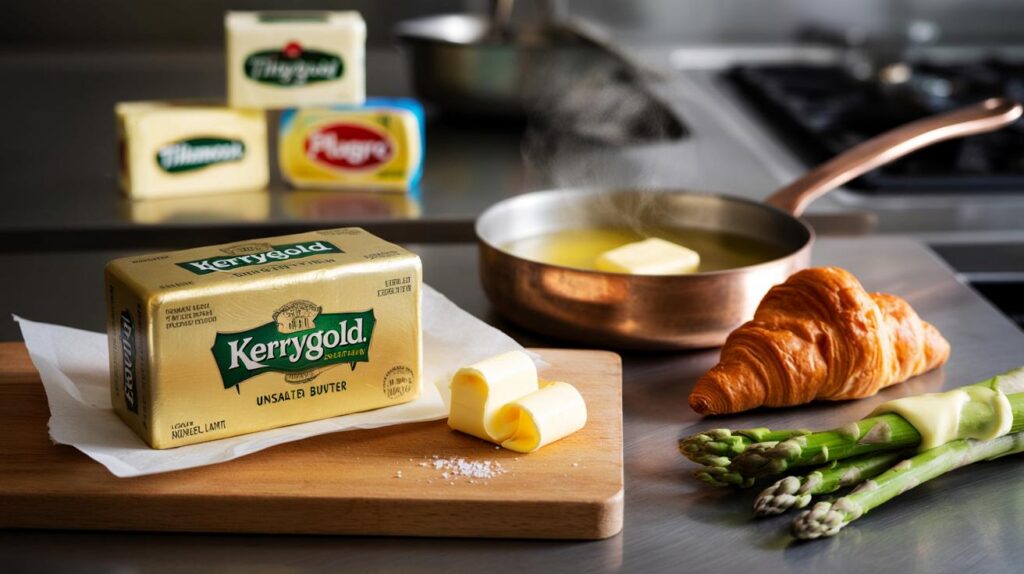
Across TV kitchens, restaurant pass and culinary school bench, one block kept surfacing: Kerrygold unsalted. The appeal is practical rather than faddish. At 82% butterfat, it spreads from the fridge, melts cleanly in a hot pan and delivers a rounded dairy flavour that does not bulldoze other ingredients. The naturally golden hue comes from grass-fed milk rich in beta-carotene, and the taste carries a gentle grassy note many cooks prize with bread, seafood and early-season vegetables.
Four chefs, one winner: Kerrygold unsalted, prized for its 82% butterfat and clean, creamy flavour.
Crucially, they reach for unsalted. Seasoning can be added at any stage; it cannot be taken away. Unsalted also tends to run a touch higher in fat than its salted sibling, which helps bakeries and home ovens alike.
- Control: unsalted lets you dial in salt precisely for sauces, pastry and buttercreams.
- Texture: a higher fat percentage gives short, tender crumb in cakes and biscuits.
- Versatility: from croissants to pan sauces, one block covers most jobs.
Why 82% fat hits the sweet spot
American-style butters must contain at least 80% fat. Many meet the minimum. European-style butters usually sit around 82–83%. That two to three percentage points changes how recipes behave. More fat means less water. Less water means fewer icy crystals in laminated doughs and less spluttering in a hot pan. It also improves mouthfeel in buttercreams and shortcrust.
The sweet spot cited by the pros: 82–83% butterfat gives rich flavour, clean bake and easy spread.
Too much fat can be a mixed blessing. Ultra-rich butters can make laminated pastry greasy in warm kitchens and reduce the steam burst that lifts croissants. For all-round cooking, chefs like a middle path: rich enough to taste luxurious, lean enough to stay manageable at the hob and predictable in the oven.
How other brands stack up
Two more names earned steady praise for daily cooking and baking: Oregon-made Tillamook and European‑style Plugrà from the United States. Both balance flavour with workable fat levels.
| Brand | Butterfat | Style | Best for | Notes |
|---|---|---|---|---|
| Kerrygold unsalted | 82% | European‑style | Baking, sauces, everyday use | Grass‑fed milk; deep yellow colour; spreads well from chilled |
| Tillamook | ≈81% | American | Spreading, pancakes, quick bakes | Extra‑creamy salted option praised for breakfast and table use |
| Plugrà | ≈82% | European‑style | Pastry, cakes, laminated doughs | Smooth texture; slightly sweet dairy note; consistent in the oven |
| Vital Farms (sea salt & avocado oil) | ≈85% | European‑style | Spreading, rich sauces | Very high fat; lush on bread, can run heavy for delicate laminations |
| Organic Valley | ≈80% | American | General cooking | Aligns with US baseline; reliable pantry staple |
Texture, colour and pasture
Butter colour is chemistry, not dye in most quality blocks. Cows eating fresh pasture produce milk richer in beta-carotene, lending butter a deeper yellow. That pigment does not turn a sauce bitter or sweet; it simply signals a certain diet and season. Spreadability owes more to fat crystals. Butters set with fewer, larger crystals feel waxy from the fridge. Those with a balanced crystal structure smear smoothly across toast and fold neatly into dough.
What this means for your cooking
The right block won’t turn a poor recipe into a star, but it can tighten results and make the work easier. Chefs use unsalted 82% butter as the default, then adjust for job and climate.
- Pastry and laminations: aim for 82–83% for lift and clean layers; chill the dough well.
- Buttercream and frostings: higher fat helps stability and a silky finish at room temperature.
- Pan sauces: unsalted lets you season to taste; whisk in off the heat to prevent splitting.
- Table and toast: salted blocks taste fuller on their own; look for creamy textures for easy spreading.
Simple rule for home bakers: if a recipe was written for American 80% butter, hold back a teaspoon or two of liquid when using richer European‑style blocks.
Price, value and where fat pays off
Richer butter often costs more per 250g. Yet in pastry, that extra fat can save time and reduce waste. Less water means fewer soggy bottoms and less guesswork on flour adjustments. For everyday cooking, a single unsalted 82% block covers most bases, with a salted block on standby for the table.
Cost check you can try at home: compare price per 100g of fat rather than per pack. An 80% butter yields 80g fat per 100g; an 82% block gives 82g fat per 100g. If both cost roughly the same per 100g of fat, choose the richer one for baking.
Practical kitchen tips
Softening and storage
- Softening: cut into cubes for faster tempering; 15–20 minutes on the counter suits most kitchens.
- Chilling: keep at 4°C, wrapped to block odours; use within two weeks for peak flavour.
- Freezing: portion and freeze for three months; thaw overnight in the fridge for baking.
Salted versus unsalted at home
Keep one of each. Use unsalted for pastry, sauces and baking where precision matters. Use salted on bread or vegetables where the butter is the seasoning. If a recipe lists salted but you only have unsalted, add a pinch of fine salt per 115g of butter and taste as you go.
Clarified butter and ghee
When you need higher heat, skim off milk solids to make clarified butter or cook longer for ghee. Removing solids raises the smoke point, so scallops sear without scorching and spices bloom cleanly. One note: clarified butter loses the browned‑milk sweetness, so add flavour back with a squeeze of lemon or a spoon of pan juices.
The chef’s short list, decoded
Kerrygold unsalted sits at the centre of the Venn diagram: spreadable, flavourful and right at 82% fat. Tillamook wins points for breakfast spreads and quick weekday cooking, while Plugrà keeps pastry predictable. Higher‑fat options feel luxurious on bread but may need a steadier hand in the bakeshop. If the label shows 82–83%, you’re in the zone many professionals reach for first.
If you only change one habit, start reading the fat line on the label. Those tiny percentages shape how your recipes taste and feel.
Want to stretch technique further? Try a side‑by‑side bake: split a batch of scones, use 80% butter in one and 82% in the other, and compare rise, crumb and flavour. Note how much liquid each dough needs. That five‑minute test builds instincts that transfer to croissants, biscuits and cakes.
For health and balance, remember butter is concentrated energy. Pair richer blocks with lean proteins and plenty of fibre. In frying, use a mix of butter and neutral oil to raise the smoke point without losing the butter aroma. Small swaps like that give you flavour and control over the long haul.



Buying unsalted from now on. 82% wins.