
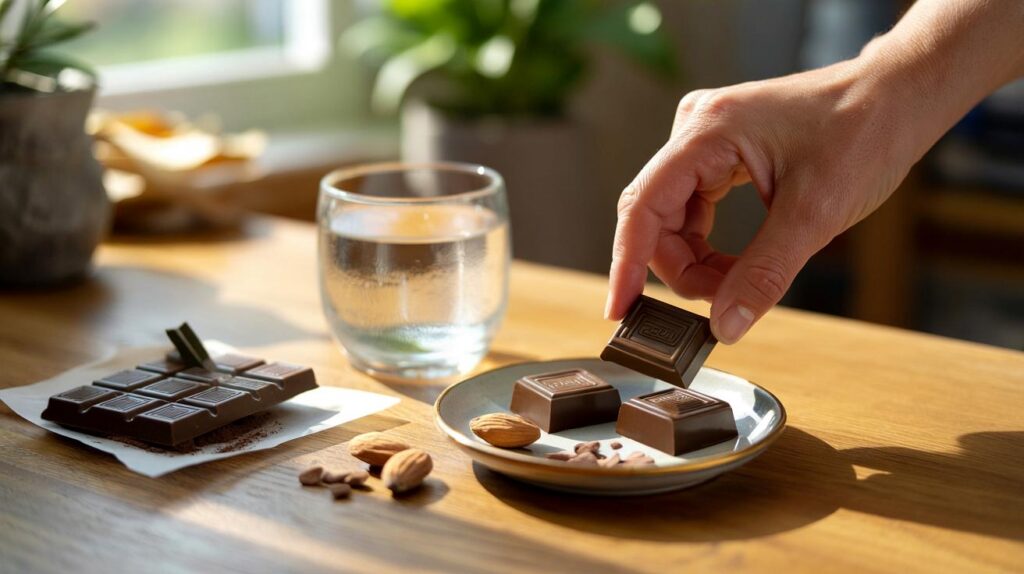
Short days, long commutes and heavy inboxes bite hard. That nightly square might be doing more than soothing a passing craving.
Fresh analysis now gives cocoa a serious second look. Research teams increasingly link high‑cocoa chocolate with steadier moods, calmer nerves and fewer energy dips, when people choose well and stick to modest amounts.
What researchers now say about cocoa
Across Europe and North America, nutrition and neuroscience groups have mapped how cocoa’s bioactive compounds interact with the body. The focus falls on two pillars: magnesium and polyphenols. Magnesium helps the nervous system fire smoothly and supports muscle relaxation. Polyphenols, notably flavanols, counter oxidative stress that builds up during busy, anxious days. Together they appear to support emotional regulation when part of a balanced diet.
These findings do not mean a free pass to devour chocolate bars. They do point to a pattern: darker chocolate, higher cocoa, smaller portions, steady benefits. Trials using cocoa-rich interventions report improvements in stress markers and perceived calm in some participants. Results vary by person, by product and by context. Quality matters. So does timing and portion size.
Choose dark chocolate at 70% cocoa or above, keep portions to 15–20g, and treat it like a daily ritual, not a binge.
From ceremonial drink to laboratory data
Long before wrapping paper and seasonal gifts, cacao beans flavoured rituals in Mesoamerica. That heritage never faded. Today, labs test the same beans for compounds that act on blood vessels, the brain and mood. The story moved from myth to mechanism, without losing the pleasure that first made it special.
Why dark chocolate stands out
Dark chocolate concentrates cocoa solids and limits sugar. That shift changes everything. A higher cocoa percentage brings more magnesium, more fibre and more polyphenols per bite. Those elements support the nervous system, tame fatigue and protect cells from everyday wear and tear. Lower sugar helps avoid the post‑snack slump that often follows milk chocolate.
Cocoa also contains theobromine, a gentle stimulant related to caffeine. In small amounts it can lift alertness without the jitters some people get from coffee. Many report steadier focus when pairing a small square with a mid‑afternoon break and a glass of water.
Think of dark chocolate as a compact, flavourful package of magnesium, fibre and polyphenols, not just a sweet.
How to choose and how much to eat
You can turn a craving into a helpful habit with simple rules that put you in control.
- Pick a bar marked 70% cocoa or higher; the higher the cocoa, the lower the added sugar tends to be.
- Scan the ingredients: cocoa mass, cocoa butter, sugar, plus optional vanilla or emulsifier; avoid added vegetable oils.
- Aim for 15–20g per day, which often equals two small squares; savour slowly to amplify satisfaction.
- Pair with protein or fibre, such as nuts, yoghurt or porridge, to steady blood sugar.
- If you are caffeine‑sensitive, enjoy it earlier in the day to protect sleep.
Smart timing that helps your mood, not your waistline
| Goal | Timing | Portion | Pair with |
|---|---|---|---|
| Calmer afternoon | Mid‑afternoon break | 15–20g | Handful of almonds and water |
| Post‑meal treat | After lunch | 10–15g | Orange segments or plain yoghurt |
| Pre‑workout lift | 60 minutes before | 10g | Banana or oat cake |
What it can do for stress, fatigue and focus
Magnesium supports nerve transmission and muscle relaxation. Many people fall short of daily magnesium needs, especially during stressful weeks. A small portion of high‑cocoa chocolate can help close that gap while adding fibre that slows absorption and aids gut health. Flavanols contribute to vascular flexibility, which supports oxygen delivery and may improve subjective energy.
Chocolate also interacts with mood pathways. Enjoyment itself matters: smell, texture and ritual trigger reward circuits that ease tension. At the same time, the cocoa matrix can influence serotonin availability. That does not replace therapy, sleep or movement, but it may add a noticeable lift when life feels heavy.
Pair chocolate with a two‑minute breathing pause: inhale for four, exhale for six, repeat five times. Taste more, stress less.
Limits, risks and who should take care
- Portion creep raises sugar and calorie intake fast; pre‑portion your squares and keep the rest out of sight.
- Some people report headaches or reflux after chocolate; if that’s you, reduce the dose or switch to cocoa powder in milk.
- Cocoa contains small amounts of caffeine and theobromine; consider a cut‑off time if sleep runs fragile.
- Polyphenols can reduce iron absorption from supplements; leave a two‑hour gap if you take iron tablets.
- Children need smaller portions; think one small square and focus on overall diet quality.
- Never feed chocolate to pets; theobromine can harm dogs and cats.
Beyond the bar: easy ways to use cocoa this week
If you prefer control over sugar, use unsweetened cocoa powder. Stir two teaspoons into warm milk, add a pinch of cinnamon and a drizzle of honey if needed. The drink feels indulgent, but you control sweetness and portions.
For breakfast, shave a little 70% chocolate over hot porridge with sliced pear. For a snack, mix cacao nibs with pumpkin seeds and raisins. For dessert, melt a small square and drizzle over berries. Each option delivers flavour, fibre and a satisfying finish without a sugar surge.
Choosing the right format for you
| Format | Taste profile | Typical sugar | Best use |
|---|---|---|---|
| Dark bar (70%+) | Rich, bittersweet | Low to moderate | Mindful squares after meals |
| Unsweetened cocoa powder | Deep, slightly tannic | None | Hot drinks, smoothies, baking |
| Cacao nibs | Crunchy, intense | None | Sprinkle on yoghurt or porridge |
Buying tips and storage that protect quality
Look for origin or blend information on the wrapper; transparent makers tend to care about bean quality. Store chocolate in a cool, dry cupboard, away from strong smells, at a steady temperature. Avoid the fridge, which can cause sugar bloom and dull flavour. If a heatwave forces refrigeration, wrap the bar tightly and let it return to room temperature before eating.
A practical add‑on to your self‑care plan
Build chocolate into a broader routine. Combine a small square with a short walk, a stretch, or a page of journalling. Set a weekday ritual — the same time, the same portion — to reinforce control. Keep a glass of water nearby; hydration supports mood and helps prevent mindless nibbling.
For those tracking budgets, remember that higher‑cocoa bars stretch further. Stronger flavour delivers satisfaction in fewer bites, which offsets the higher price per bar. If you want to reduce sugar even more, rotate bars with cocoa powder drinks or use cacao nibs for crunch without sweetness.
Small, steady, and high‑cocoa wins the day. Taste with attention, and let the chemistry and the ritual share the work.



My afternoon ritual just got validated — 70% and 2 squares. Will defintely try the breathing + chocolate combo 🙂