
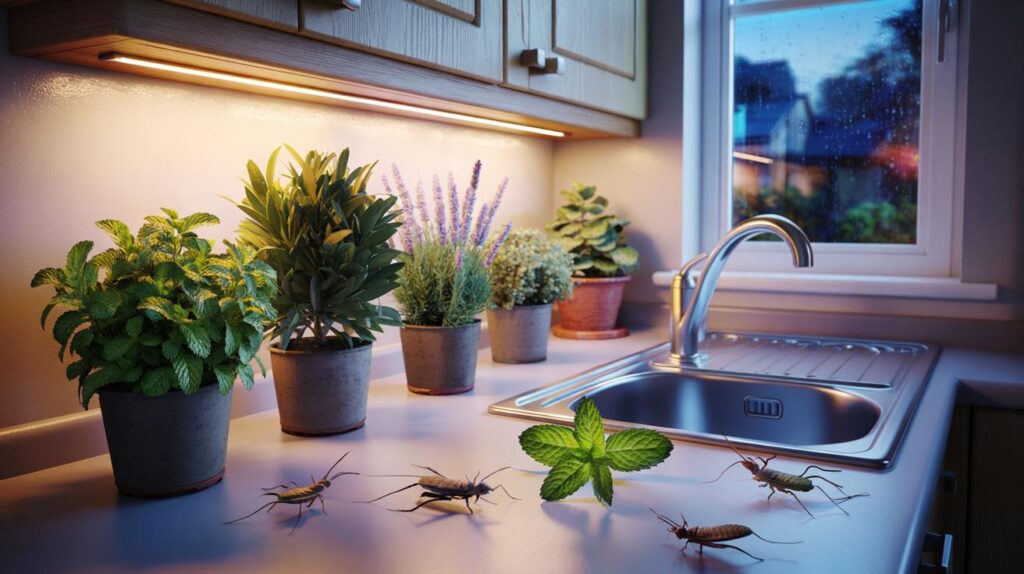
Nights are lengthening, radiators click on, and tiny shadows start to skitter at the edges of the room. Your nerves notice.
As temperatures dip, roaches hunt warmth, moisture and crumbs indoors. Many households want relief without aerosols or harsh residues. A small, green line of defence can help, using ordinary potted plants whose scent confuses a cockroach’s finely tuned antennae.
Why cockroaches head indoors when nights turn colder
Roaches thrive where warmth and damp meet. Kitchen sinks, pipe runs, boiler cupboards and bin areas offer both, plus food traces. Autumn pushes them from outdoor refuges into micro-gaps you barely see: a hairline crack by the skirting, the hole around a waste pipe, the back of a cupboard. They remain hidden by day, then forage at night, which makes the problem feel sudden and mysterious.
Warmth + moisture + food traces = a reliable roach corridor. Break any one of those, and you cut traffic fast.
Shops sell gels and foggers, but families often prefer to avoid chemical smells and residue, especially with pets or children at floor level. That is where aromatic plants earn their keep. Their volatile compounds don’t poison roaches; they scramble the insects’ odour trails and make treated zones less attractive.
Four easy plants that push roaches away without sprays
These common species release a steady mix of natural aromatics that roaches dislike. You can grow them in small pots, refresh their scent with a simple pinch, and position them where they matter most.
| Plant | Key scent compounds | Best spot | Care notes | Pet caution |
|---|---|---|---|---|
| Peppermint (Mentha × piperita) | Menthol, menthone | By the sink, along back edges of worktops | Moist compost, bright light; pinch tips weekly | Keep out of reach; avoid essential oil near cats |
| Bay (Laurus nobilis) | 1,8‑cineole (eucalyptol) | On the cooker side, near bin cupboard | Let topsoil dry between waterings; use a few leaves dried or fresh | Non‑toxic leaves; sticks can be sharp for pets |
| Lavender (Lavandula angustifolia) | Linalool, linalyl acetate | Sunny window ledge, pantry shelf | Likes good light and airy soil; replace old sachets monthly | Avoid concentrated oils around small pets |
| Eucalyptus (small potted variety) | 1,8‑cineole | Bathroom shelf, near pipe boxing | Bright light, moderate water; trim lightly to release scent | Keep foliage away from nibblers |
Peppermint: the fast, fragrant starter
Peppermint grows quickly on a kitchen sill. Crush a leaf between fingers and stroke it along the back edge of the worktop where roaches travel. The menthol hit fades in days, so pinch fresh tips every week to keep scent levels up. Split and repot runners if the plant gets leggy.
Bay: a pantry stalwart that keeps its nerve
A bay plant copes with cooler kitchens and low fuss. Tuck a few leaves behind kickboards and inside the bin cupboard, replacing them when they feel brittle and smell faint. A small potted bay will give usable foliage all year.
Lavender: light, dry and useful for cupboards
Lavender prefers a sunny ledge and drains well. Hang small muslin sachets of dried flower heads at the back of pantry shelves. The scent deters roaming insects and leaves dry goods smelling clean rather than perfumed.
Eucalyptus: a clean, camphor edge for damp corners
Eucalyptus fits bathrooms and utility rooms where steam lingers. A light trim releases cineole that discourages roaches and silverfish. Choose compact varieties for indoor pots and rotate the plant for even growth.
Several small pots placed along roach “motorways” beat one big, fragrant plant in the wrong corner.
Where to place the plants for best effect
- Sink and tap area: line the back ledge with peppermint and bay; refresh crushed leaves weekly.
- Bin and recycling: place bay on the bin cupboard base; wipe the rim with a peppermint leaf after cleaning.
- Dishwasher and washing machine: set a lavender sachet at the rear of the adjacent cupboard.
- Bathroom pipe runs: keep a compact eucalyptus near pipe boxing and the loo brush holder.
- Window ledges and vents: lavender or peppermint on sunny sills; do not block airflow.
- Cupboards and kickboards: tape small bundles of dried bay where you cannot place a pot.
Light trimming or leaf bruising recharges the aroma. Dust leaves monthly so they breathe, water modestly to avoid fungus gnats, and rotate pots for even growth. Replace dried sachets every four to six weeks.
Will plants replace pest control? what to expect
Plants change how attractive your kitchen feels to roaches; they do not wipe out a heavy infestation. Use them as deterrents while you close entry routes and reduce food cues. Many households notice fewer sightings when they pair scent barriers with better housekeeping and drier air.
For stubborn activity, add low‑impact tactics. Sticky monitors show where traffic flows. Silicone or acrylic sealant closes gaps around pipes and skirting. A dehumidifier reduces the damp that helps oothecae (egg cases) hatch. If you still see multiple roaches by day, call a licensed technician.
A quick hygiene routine that makes plants work harder
- Wipe crumbs and grease lines from the hob edge and the worktop rear strip each night.
- Empty the bin daily; rinse the caddy and dry the rim before replacing liners.
- Run a hot wash for the sink strainer and scrub the overflow once a week.
- Lift kickboards quarterly to hoover dust and food grains along the wall line.
- Seal a single gap per evening with a tube of decorator’s caulk; small progress, big effect.
Roaches follow scent maps. Plants blur the map; cleaning erases it; sealing removes the road.
Costs, pitfalls and ways to stretch the results
You can do this cheaply. Supermarket herbs often cost £2–£4 per pot; garden‑centre bay or lavender from £4–£8 for small sizes. Four plants can land under £10 if you time a supermarket shop, or under £20 from a nursery with sturdier stock. Divide mint into two or three pots to cover more ground for free.
Mind pets. The plants themselves are generally low risk, but concentrated essential oils can bother cats and small animals. Keep pots out of reach, ventilate well, and avoid diffusers. If anyone at home has asthma, test tolerance by placing a single plant first.
Dried leaves still help. Slip bay or lavender into breathable sachets for drawers and pantries. Replace when the scent softens. You can also simmer a handful of bay in a small pan for five minutes, cool, then wipe cupboard interiors; dry thoroughly before restocking to avoid damp.
Know your opponent and scale your plan
German cockroaches prefer warm, humid kitchens and breed quickly around appliances. Oriental cockroaches favour damp, cooler areas like basements and bathrooms. Your plant choice and placement should track those habits: peppermint and bay in hot zones, eucalyptus and lavender in steamy, shaded spaces. Keep a simple sighting log for two weeks; if numbers do not drop, upgrade to traps and sealing before the next breeding cycle.
Seasonal rhythm matters. Autumn pushes roaches inside; radiators and closed windows keep them comfortable. A plant barrier, a drier room, and fewer crumbs shift the balance back in your favour. Add one task per day—pinch mint, replace a sachet, seal a gap—and the kitchen turns from inviting to inhospitable without a single spray.



I tried peppermint along the worktop back edge and—woah—fewer skittering visitors in a week. Definately smells better than aerosols. Cheers for the step‑by‑step!
Sceptical hat on: do these aromatics actually disrupt odour trails, or just make my kitchen smell like a spa? Any links to studies you can share?