
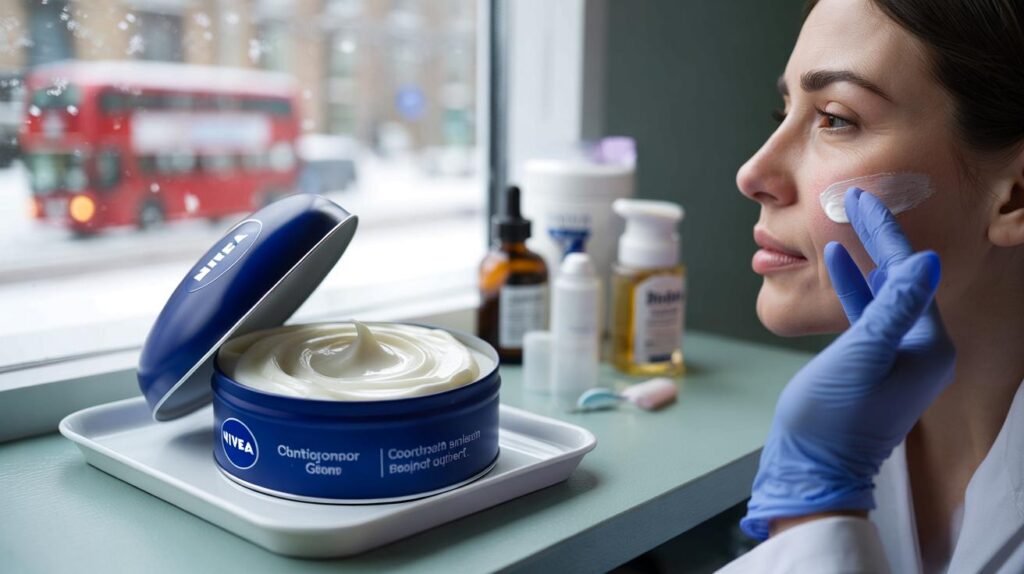
That blue tin has sat in British bathrooms for generations. Beloved, cheap and everywhere, it still sparks fierce skincare debate today.
From chilly commutes to bedtime routines, many readers keep Nivea within reach. A consultant dermatologist weighs its strengths, limits and the smartest ways to use it now.
Why people still reach for the blue tin
The original Nivea Cream launched in 1911 and never left the high street. It remains one of the most recognisable moisturisers in Britain and beyond.
Global sales remain eye-catching. Industry figures point to millions of units sold annually, and Nivea Soft alone moves roughly 400 jars per hour worldwide. That endurance comes down to price, texture and familiarity.
More than a century on, the blue tin endures because it does one job reliably: it keeps water in the skin.
Users like the dense, waxy feel because it forms a barrier against wind, cold and central heating. For dry hands, cracked heels, and tight winter cheeks, that occlusive layer brings quick relief. The scent signals “classic” to some, though fragrance-sensitive readers should take care.
What a dermatologist actually thinks
A hydrating cream isn’t a magic wand. Dermatologists rate the blue cream as a dependable moisturiser for most skin types, including sensitive skin, when used correctly. Its strength lies in sealing hydration and softening rough patches, not in treating complex concerns.
Nivea blue cream moisturises and protects, but it will not fade pigmentation, clear acne or smooth deep lines on its own.
The formula’s humectants and emollients do the heavy lifting. Glycerin draws in water. Rich lipids, including shea-derived components, cushion the skin and reduce water loss. That combination supports the barrier, which often calms stinging and tightness.
The ingredients that matter
- Glycerin: a dependable humectant that pulls moisture into the upper layers.
- Rich emollients: shea-based lipids and waxes smooth rough texture and shield from cold air.
- Fragrance: gives the signature scent; patch test if you react to perfumed products.
Because it is thick and heavily occlusive, the cream works best as the final step over lighter layers. It locks in hydration from a serum or a lighter lotion and stops water evaporating.
Who benefits most, and when to hold back
Target the blue cream where your skin needs extra cushioning. Keep it selective if you’re prone to congestion.
- Best for: dry cheeks, lips edges, hands, elbows, shins, and wind-chapped areas.
- Good in: winter, post-cold exposure, after handwashing, or over actives to reduce irritation.
- Use with care: oily or blemish‑prone T‑zones; apply only to dry patches to avoid extra shine.
- Suitable for sensitive skin: yes, used correctly; fragrance can still bother a minority.
- Children: fine for older kids’ dry patches; choose infant‑specific formulas for babies.
How to fit it into a routine
Keep your steps simple and targeted. You’ll get better outcomes if each product has a clear purpose.
- Morning: gentle cleanse, antioxidant or hydrating serum, light moisturiser if needed, SPF 30+, then a fingertip of Nivea on dry zones only.
- Evening: cleanse, targeted serum (retinoid, niacinamide or azelaic acid as needed), then Nivea to seal and comfort.
- Hands and body: reapply after washing or exposure to cold; massage into nails and cuticles.
Blue cream or Soft: which jar suits you?
| Feature | Nivea blue cream | Nivea Soft |
|---|---|---|
| Texture | Thick, occlusive, waxy | Lightweight, fast‑absorbing |
| Main job | Seal moisture, protect barrier | Everyday hydration without heaviness |
| Best for | Very dry areas, winter, night | Face in warm months, combination skin |
| Typical UK price | From about £2.99 for 75 ml | Often £3–£5 for similar sizes |
Realistic results: what it won’t do
Hyperpigmentation: you’ll need ingredients like azelaic acid, vitamin C or prescription options.
Acne: look to salicylic acid, benzoyl peroxide, adapalene or a GP referral for persistent cases. Use the blue cream only to buffer dryness around spots.
Deep lines: retinoids and daily sunscreen change the course; a heavy cream alone cannot remodel collagen.
Think of Nivea as the coat you wear over good clothes: it protects what’s underneath, but it isn’t the outfit.
Pro tips from clinic desks
- Patch test on the jawline for two nights if you’re fragrance‑reactive or have eczema.
- Layer clever: apply over damp skin or a hyaluronic serum to trap extra water.
- Buffer retinoids: a thin veil of Nivea after your retinoid often reduces flaking during the first six weeks.
- Use as a targeted mask: press a pea‑sized amount onto cracked knuckles before bed and wear thin cotton gloves.
- Don’t overdo it on the T‑zone: a rice‑grain amount goes far; too much can look greasy.
What readers ask most
Is it safe for sensitive faces?
Yes for many, because it supports the barrier. If fragrance usually triggers you, patch test first or limit to the body.
Can I use it every day on my face?
Yes, on dry areas. Combination or oily skin may prefer using it at night or only on cheeks while keeping the T‑zone lighter.
Will it treat wrinkles or blemishes?
No. Pair it with targeted serums. By reducing dryness, it can soften the look of fine lines, but it doesn’t replace actives.
Is it fine for kids?
For school‑age children with rough patches, yes. For babies, choose products formulated for infant skin.
How much should I use?
A pea for the face or a fingertip for hands. Warm between palms and press, don’t rub hard, to avoid pilling over serums.
Extra guidance to stretch your results
If you like the “slugging” trend but find pure petrolatum too shiny, the blue cream offers a more wearable alternative. Apply a thin layer over your night serum and limit it to dry zones. You get overnight softness without a full glossy film on the pillow.
Budget counts. At roughly £2.99–£4.99 depending on size and retailer, the cost‑per‑use beats many boutique balms. Spend your money where it moves the needle: a daily sunscreen, a well‑chosen retinoid, and a vitamin C or azelaic acid serum if pigmentation bothers you. Let Nivea play defence by sealing in those actives and insulating skin from the weather.



Great breakdown. At £2.99 it’s hard to argue. I’ve got sensitive cheeks—if I warm a pea‑size and press it over a hyaluronic serum, will it sit under makeup or does it pill? Definitley need a coat for my face this winter.
Fragrance is my sticking point. Even after a jawline patch test, the blue tin tingles on exfoliation days. Any fragrance‑free alternative with similar occlusion you’d recommend?