
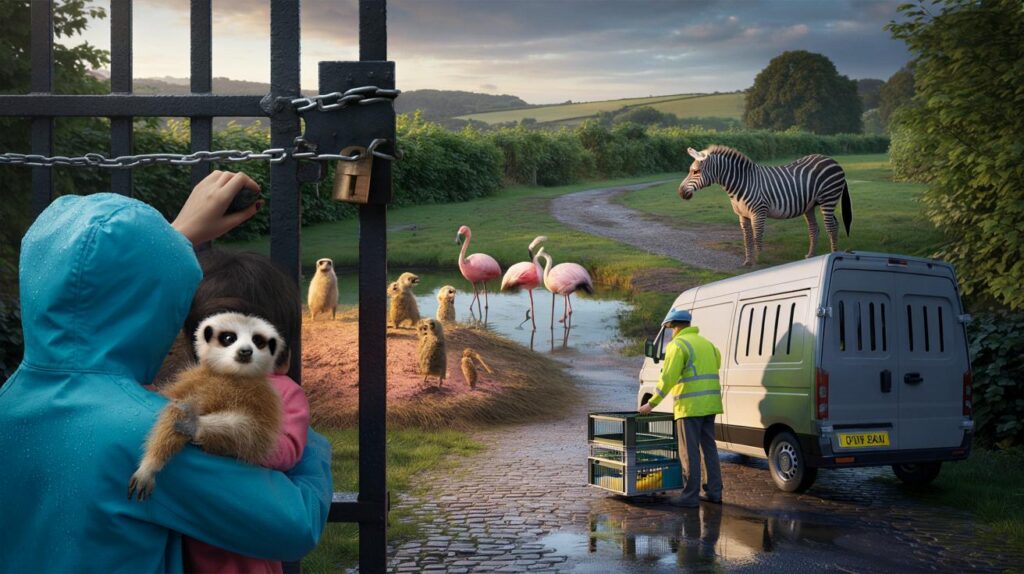
Families planning half-term outings in East Devon face a jolt as a familiar favourite reaches a quiet, decisive turning point.
Axe Valley Wildlife Park, near Axminster, will close its gates on Friday after 17 years. The owners say trading pressures have made the business unsustainable. They promise to move every animal to secure, licensed homes and to refund people with active memberships.
Why the gates are closing
The park’s team says the sums no longer add up. Rising costs, weather-hit footfall, and the squeeze on household spending have all bitten. For a small site that relies on day tickets, memberships and school visits, the margin for error is thin. Energy for heated enclosures costs more. Feed and insurance premiums have climbed. Staff must still be paid and trained. The result: a cash flow that no longer supports daily care, improvements, and compliance duties.
After 17 years welcoming thousands of visitors, the park will shut on Friday. Every animal is set to be rehomed under recognised welfare rules. Members with active subscriptions will be offered refunds.
The park thanked its staff and volunteers for years of care, and it saluted families, school groups and regulars who turned a modest Devon attraction into a community habit. That emotional note sits beside a blunt reality: small zoos feel macroeconomic tremors first and hardest.
A wider squeeze across Devon
The announcement lands shortly after the owner of Paignton Zoo confirmed the Torbay site has been put on the market, citing financial strain. Each case is different, yet the pattern is clear: energy, feed and compliance costs rise quickly, while ticket income varies with weather and wallets. Many operators now juggle maintenance backlogs and higher running costs with visitors who are spending less per trip.
What happens to the animals
The park keeps meerkats, zebras, flamingos and small wild cats, among other species. It says relocations will follow recognised procedures, which typically involve checks on receiving facilities, transport plans suited to each species, and veterinary oversight. Licensed zoos, wildlife centres and specialist sanctuaries are the most likely destinations. Moves of hoofed animals such as zebras demand secure crates, calm handling, and quarantine on arrival. Social species like meerkats require transfers that preserve stable groups.
For birds such as flamingos, transport often happens at cooler times of day, with careful control of temperature and stress. Small wild cats need quiet, low-light moves and rapid familiarisation with new enclosures. In the background, paperwork tracks each individual to ensure legality, biosecurity and traceability.
The park says animal welfare drives the timetable: each move must be safe, legal and planned, rather than rushed to a deadline.
For members and recent visitors
- Active memberships: the park says refunds will be available. Keep confirmation emails and payment references.
- Pre-booked tickets for dates after Friday: request a refund via the park’s customer channels and retain booking numbers.
- Gift vouchers and school bookings: contact administrators promptly to discuss credit or reimbursement options.
- Donations: if you wish to support animal relocations, ask how contributions will be used during the transition.
What this closure means locally
For Axminster and nearby towns, the park’s closure removes a family day out that fed custom to cafés, farm shops and B&Bs. Teachers lose an easy, curriculum-linked trip for younger pupils. Volunteers lose a routine that offered skills and community. While other attractions remain, the gap will be felt most by parents of under-10s who value short, affordable visits with animals they can see up close.
The park’s thanks to volunteers highlights a quiet backbone of such sites: unpaid hours that carry everything from brush clearing to visitor talks. Those skills will be welcome elsewhere, but the break creates uncertainty for people who gave years of weekend service.
Pressures squeezing small zoos
Across the UK, smaller wildlife parks face a tangle of rising costs and irregular income. Fuel and electricity drive heating, lighting and water filtration. Animal feed prices rise with global grain and meat markets. Specialist insurance premiums reflect risk. Compliance costs mount as standards evolve. Meanwhile, rainy summers dampen gate receipts, and cost-of-living pressures curb impulse trips and café spending.
| Pressure | Typical effect on a small zoo |
|---|---|
| Energy | Higher heating and filtration costs for tropical, aquatic and winter-sensitive species |
| Feed | More expensive meat, fish and specialist diets for carnivores and exotic herbivores |
| Staffing | Wage rises and training costs to meet safety and welfare standards |
| Compliance | Licensing, veterinary oversight and enclosure upgrades strain capital budgets |
| Weather | Poor summers reduce walk-up sales and limit event revenues |
How families can plan next steps
If you had pencilled in a visit, check other nearby attractions and verify opening hours before travelling. Farm parks, nature reserves and aquariums can provide short, manageable trips for young children. If animal welfare matters to you, look for sites that publish clear care standards, enrichment programmes and conservation outcomes. Ask about accessibility, quiet sessions and sensory-friendly facilities if you have specific needs.
Understanding the rehoming journey
Rehoming involves more than a lorry and a crate. Coordinators match animals to available spaces, factoring in age, sex, genetics and social behaviour. Receiving sites prepare enclosures and quarantine rooms. Veterinarians handle pre-move checks, vaccinations and sedation plans if needed. Transporters plan routes that avoid extremes of heat and cold, with contingency stops for welfare checks. After arrival, staff introduce animals gradually to new sights, sounds and neighbours, using barriers and visual screens to reduce stress.
Families often ask how long this takes. The answer varies by species, paperwork and space availability. Some moves can happen within days. Others—especially for larger mammals or birds requiring flock integration—may take weeks. The park has signalled it will prioritise welfare over speed, which means staggered moves as suitable homes come free.
Ways readers can still support animal care
- Consider donating to recognised British conservation charities that publish audited accounts and project reports.
- Buy tickets in advance for remaining local attractions during off-peak periods to smooth their cash flow.
- Volunteer your time or skills—horticulture, DIY, admin and education are often as valuable as money.
- Teach children responsible wildlife etiquette: quiet voices, no feeding, respect for barriers and signs.
A note for schools and clubs
If your group had a planned trip, contact the park to discuss refunds or alternative arrangements. Consider building classroom sessions around habitats and animal welfare, using simple case studies to explain why rehoming happens and how professionals keep animals safe during moves. Local nature walks, pond-dipping and citizen science projects can fill the gap until your next formal visit.
Axe Valley Wildlife Park’s story carries a clear message: small, much-loved sites can create memories for 17 years—and still reach a point where careful managers say stop. The coming weeks will centre on calm logistics, clear communication and patient care, so that animals, staff and supporters step into their next chapter with confidence.



Seventeen years gone—what a loss for local kids and cafés.
I have an active memebership—do refunds happen automatically or do we need to email with our reciept and booking ref? Also, what’s the deadline to claim? Don’t want to miss it while half‑term chaos hits our inbox.