
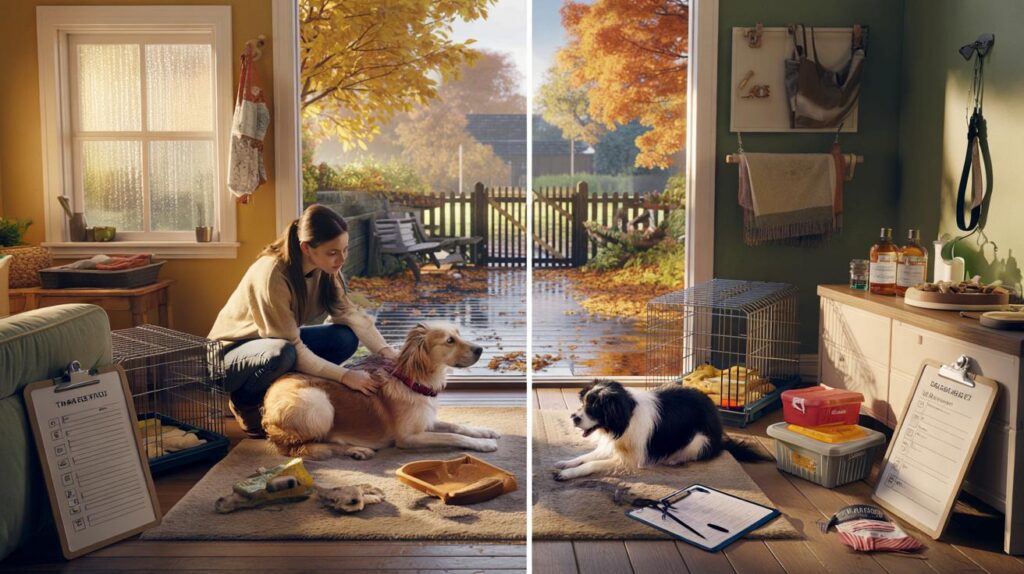
Suitcases whisper of off‑season getaways. The rain sets in. Your dog watches every move. The kennel choice can change everything.
Many owners plan short breaks once crowds thin and prices dip. Boarding looks simple on paper. In practice, stress often begins the moment you hand over the lead.
Choosing the right type of boarding
Three models dominate: home boarding in a family setting, collective kennels, and one‑to‑one care in a private unit. Each suits a different temperament.
Match the set‑up to your dog
Home boarding mimics a household. A dog slots into daily life with sofas and school runs. It suits velcro companions and shy seniors. Places are limited and rely on trust. Collective kennels take several dogs on one site. Staff rotate, runs are secure, and play yards are bigger. Social butterflies thrive, noise‑sensitive souls do not. Private units offer a quiet room, often with garden time alone. You pay more for peace. It helps anxious, intact, or medically fragile dogs.
Choose structure first, cushions later. A calm match beats any deluxe bed when nerves rumble.
- Life‑of‑the‑party dog: consider a licensed kennel with structured group play.
- Shadow‑at‑your‑heels dog: look at home boarding with limited guest numbers.
- Pain, meds or special diets: ask for individual care and written protocols.
- Young, unneutered males or bitches in season: plan for segregation or a private unit.
Testing the people, not just the gates
Facilities matter. People prevent problems. Ask who makes decisions at 2am. Ask who notices a limp before it becomes a crisis.
Questions to ask on the phone
- How many years have you operated under a local authority licence? Ask to see the current rating.
- What staff‑to‑dog ratio runs at peak and off‑peak? Press for numbers, not adjectives.
- Who holds canine first‑aid training and when was it refreshed?
- What is your heatstroke, bloat, or seizure plan? Name the vet and escalation times.
- Can you administer time‑critical meds and refrigerated treatments? Is there a log with signatures?
- How do you report welfare updates? Daily photos, app notes, or a quick call?
Competence shows in specifics: ratios, response times, medicine logs, and a named vet on standby.
Good teams defuse scuffles before they spark. They spot diarrhoea early and act. They separate feeding. They track behaviour day by day. Your dog stays safer when staff read body language, not just schedules.
Visiting without ceremony
Web galleries hide smells and drafts. Visit within opening hours, unannounced if allowed. Stand still and listen. You learn more in five minutes than in fifty photos.
What good looks like
- Clean floors without harsh chemical odours. Fresh water visible in every enclosure.
- Quiet zones for rest. Shade and wind breaks outdoors. Dry bedding off the ground.
- Solid fencing with dig guards. Double‑gate entries. Clear separation for incompatible dogs.
- Ventilation that moves air, not chill. Heating plans for damp autumn nights.
- Written exercise timetables and feeding sheets. You should see clipboards, not guesswork.
Ask about walk frequency, yard access, and bad‑weather plans. A fit adult needs more than a trot. Routines should mirror your dog’s timetable where sensible. Consistency calms guts and brains.
Turn up, look around, and ask why. A transparent operator welcomes daylight on their systems.
Respecting individual needs
Dogs carry rituals like anchor stones. Some eat slowly. Some wake before dawn. Some need a radio to settle. The boarding plan must bend to that shape.
Non‑negotiables to write into the agreement
- Bring your usual food with clear measures. Avoid sudden diet switches.
- List meds, timing, and side effects. Ask for photos of each dose given on request.
- State exercise limits for pups, seniors, brachy breeds, and joint issues.
- Authorise your own vet for records, plus the boarding vet for emergencies.
- Confirm secure transport, ID tags on‑site, and microchip checks at intake.
- Share triggers: guarding, door dashing, storms, stranger fear, or noise phobia.
Expect to answer many questions. That is a good sign. Thorough intake reduces setbacks after you return. Behaviour rarely collapses overnight when routines hold firm.
Typical UK prices and what they cover
| Boarding type | Typical nightly price | Day exercise | Overnight set‑up | Extras often charged |
|---|---|---|---|---|
| Collective kennel | £25–£40 | 2–4 yard sessions or on‑lead walks | Individual run, heated in cooler months | Med admin, extra walks, off‑peak heating surcharges |
| Home boarding (licensed) | £35–£55 | Household pottering, local walks, fewer dogs | Shared home space, crate on request | Solo walks, pick‑up/drop‑off, special cleaning |
| Private suite/one‑to‑one care | £50–£80+ | Custom plan, low arousal play | Quiet room or self‑contained studio | Behaviour work, complex meds, late check‑outs |
Rates swing with region, school holidays, and the dog’s size. Ask for a written quote with every add‑on listed. Weekend bumps and bank holiday fees stack up fast.
Paperwork that protects you
In England, boarding must hold a current local authority licence under the 2018 regulations. Ratings run from one to five stars. Scotland and Wales operate similar licensing, enforced by councils. Northern Ireland has separate rules. Insurance should name public liability and care, custody and control cover. Vaccination policies vary, yet most ask for core vaccines and kennel cough. Time any boosters at least a week before drop‑off to avoid reactions during the stay.
- Ask to see the licence certificate and inspection date.
- Request a copy of insurance schedules.
- Provide vaccine records and parasite control dates.
- Sign a vet consent form with spending limits and contact preferences.
Run a low‑risk trial before the big trip
Book a half‑day first. Then one overnight midweek. Keep drop‑off brisk. Hand over a worn T‑shirt in a zip bag and a stuffed chew for the first hour. Track appetite, stools, and sleep after collection. Adjust the plan and try again if needed.
One calm trial can save a ruined holiday and a panicked phone call at midnight.
If your dog struggles with separation
Boarding can still work with a plan. Use short absences at home over two weeks. Feed main meals in a crate or bed. Add white noise near sleeping areas. Teach a hand‑touch as a reset. Share this routine with the boarding team in writing. If stress remains high, use a house‑sitter or a friend with a licence for paid care.
Red flags that should make you walk away
- “We don’t allow visits.” Transparency matters.
- No written incident logs or med records.
- Overcrowded yards, slip leads only, no harnesses.
- Strong bleach smell or damp bedding.
- Vague answers about staff numbers, night checks, or vet cover.
- “We accept any dog together.” No assessment, no plan.
What to pack for a smoother stay
- Measured food in daily bags, plus two extra days.
- Meds in original boxes, written schedule, and a photo of your dog.
- Familiar bedding and a chew that lasts.
- Lead, harness, ID tag with the boarding address.
- A routine sheet with wake times, cues, and toilet habits.
A quick cost reality check
Price the whole stay. Seven nights at £45 is £315. Add two extra walks at £8 per day and med fees at £2 per dose, twice daily, and you add £140. Your £315 trip climbs to £455. Budget for a contingency, then decide with clear eyes.



Super helpful guide. Matching the set‑up to temperament is the piece most people skip. I love the emphasis on people over gates—asking for staff‑to‑dog ratios, first‑aid refresh dates, and a named vet is gold. Also, the reminder to bring measured food and write meds with timings saves so many upset tummies. The “one calm trial” tip is clutch; I’ve seen that single half‑day prevent meltdowns.
Is this a bit alarmist? I’ve boarded my spaniel for £35/night with zero drama, and they didn’t recite a bloat plan on the phone. Feels like box‑ticking theatre sometimes. What’s the real risk delta between “nice to have” vs must‑have protocols?