
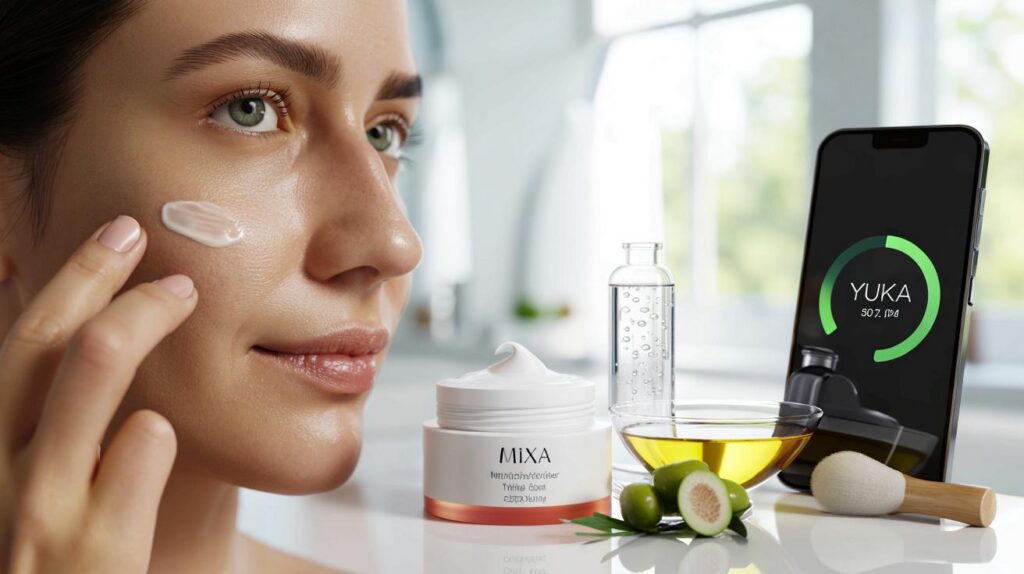
A no-nonsense face cream is climbing rankings and bathroom shelves. Dry, sensitive faces say it soothes without the greasy aftermath.
This week, a Mixa anti‑dryness moisturiser achieved a perfect 100/100 on Yuka, sparking a surge of interest among people who struggle with tightness, flaking and make‑up that won’t sit right. The buzz centres on a short ingredient list, a light texture and a duo of headline actives that aim to keep reactive skin calm while topping up moisture.
What a 100/100 on Yuka really signals
On the app, a top score usually reflects a composition that avoids controversial substances, flag‑listed allergens and heavy fragrance. For sensitive or dryness‑prone users, that matters as much as immediate hydration. The rating does not guarantee miracles, but it points to a formula built to minimise nasty surprises while delivering comfort.
100/100 typically means a short INCI, low‑risk preservatives and a fragrance‑light approach that many reactive skins tolerate well.
In plain terms, you’re looking at a cream designed to be used daily without stinging, redness or a film that suffocates make‑up. That aligns with what users report: a supple finish, no stickiness, and skin that feels nourished rather than coated.
The two‑actives play: hyaluronic acid and squalane
At the centre of the formula sit hyaluronic acid and squalane. They target different parts of the hydration puzzle. Hyaluronic acid draws water into the upper skin layers to plump and smooth. Squalane, a stable lipid related to skin’s own sebum, reinforces the barrier so that moisture doesn’t escape the moment you step into cold air or central heating.
The combination aims to top up water, then lock it in. That’s why many people notice fewer tight patches by midday and a more elastic feel during make‑up application. Crucially, squalane sinks in without the heavy after‑film associated with some occlusives, so it suits faces that dislike rich balms yet still crave relief.
| Ingredient | Role in the cream | What you may notice |
|---|---|---|
| Hyaluronic acid | Humectant that binds water to the epidermis | Softer texture, fewer fine dehydration lines, improved bounce |
| Squalane | Lipid that supports the barrier and reduces moisture loss | Reduced tightness, comfortable feel without greasiness |
Texture that behaves under make‑up
The formula absorbs quickly, leaving a flexible, satin finish rather than shine. That makes it a practical base for foundation and concealer, helping products glide without pilling. Evening use feels different: the same texture functions as a comfort layer that doesn’t clog or leave residue on the pillow.
Fast absorption, a non‑greasy slip and a soft sheen help it double as primer and night comfort in one jar.
Sensitive skin priorities: fewer surprises, more comfort
People with reactive skin often need steady routines. A pared‑back INCI can reduce variability from day to day. The Mixa positioning sits in that space: no loud perfume, no high‑risk preservative systems and an emphasis on tolerance. Dermatology guidance typically backs this approach: start simple, avoid cumulative irritants, and rebuild the barrier before layering actives.
- Good match if your face feels tight after cleansing, flakes around the nose and cheeks, or stings with strong fragrance.
- Be cautious if you’re mid‑breakout and oil‑heavy; you may prefer to patch test and use a lighter layer in the T‑zone.
- If you have known allergies, check the full INCI and test a pea‑sized amount behind the ear for 48 hours.
How to use it: a 90‑second routine that earns its place
Routine matters as much as what’s in the jar. You gain more when you apply correctly and consistently.
- Morning: cleanse gently, pat dry, apply a pea‑to‑almond‑sized amount from centre to edges, press onto the driest patches, then use sunscreen.
- Evening: cleanse, apply the same amount; if your cheeks feel rough, add a second thin layer only on those areas.
- When using serums: layer water‑based serum first, wait 60 seconds, then the cream; finish with SPF by day.
- Under make‑up: wait 90 seconds before foundation to reduce pilling and to keep coverage even.
Why it resonates right now
Seasonal shifts, heated rooms and frequent mask‑wear have driven a rise in dehydration complaints. Many people also want shorter routines that still feel comfortable for a full workday. A cream that sidesteps frequent irritants and focuses on two workhorse actives fits that mood. The Yuka score acts as a shorthand for this set of choices, helping busy shoppers shortlist without decoding every line of the label.
A high app score doesn’t replace your skin’s feedback. It narrows risk, then your face confirms the fit within two weeks.
When a perfect score isn’t the whole story
Apps focus on ingredients and potential risks, not on whether a product suits your climate, cleanser or foundation. Patch testing still saves time and money. Give any moisturiser 14 days of steady use before judging, because barrier repair and flake reduction show progressively. If you are on retinoids or exfoliating acids, apply this cream after those steps to buffer and to keep reactions low.
How it stacks up against common alternatives
- Ceramide‑rich creams: excellent for barrier repair; often feel richer. If you dislike weight, squalane‑forward textures can feel lighter.
- Petrolatum balms: brilliant for slugging on cracked areas; too occlusive for daytime under make‑up for many people.
- Gel creams: cool on application, but may lack lipid support in wind and cold; adding squalane can balance that out.
Budget and sourcing also count. Squalane today is commonly plant‑derived, often from sugarcane or olives, and chosen for stability and skin affinity. It differs from squalene, which oxidises easily and can irritate. If your skin dislikes oils, remember squalane behaves more like a lightweight emollient than a traditional oil.
Extra know‑how you can use this week
Check whether you’re dry or dehydrated
Pinch‑test your cheek gently. If fine lines appear and fade with moisturiser, dehydration plays a role (lack of water). If your skin feels rough even when hydrated, dryness features more strongly (lack of oils). A hyaluronic‑plus‑squalane pairing targets both sides, which explains the broad appeal.
A quick INCI read in 2 minutes
- Look for humectants in the first half (glycerin, hyaluronic acid) and lipids/emollients in the middle (squalane).
- Scan for strong perfume near the end if you’re reactive; less is often better for comfort.
- Note preservation: products designed for sensitive skin often use systems with lower allergy profiles.
If you want to push results, consider pairing the cream with a humidifier for bedrooms under 40% relative humidity, or add a ceramide serum at night during cold snaps. Both steps help the barrier hold onto water longer, so you apply less product and feel comfortable for more of the day.



Tried it on my Sahara-dry cheeks—no sting, no grease. 100/100 well deservd, honestly.
Is the score based only on avoiding “controversial” ingredients? Performance‑wise, how does it compare to a ceramide cream in real winter wind and central heating?