
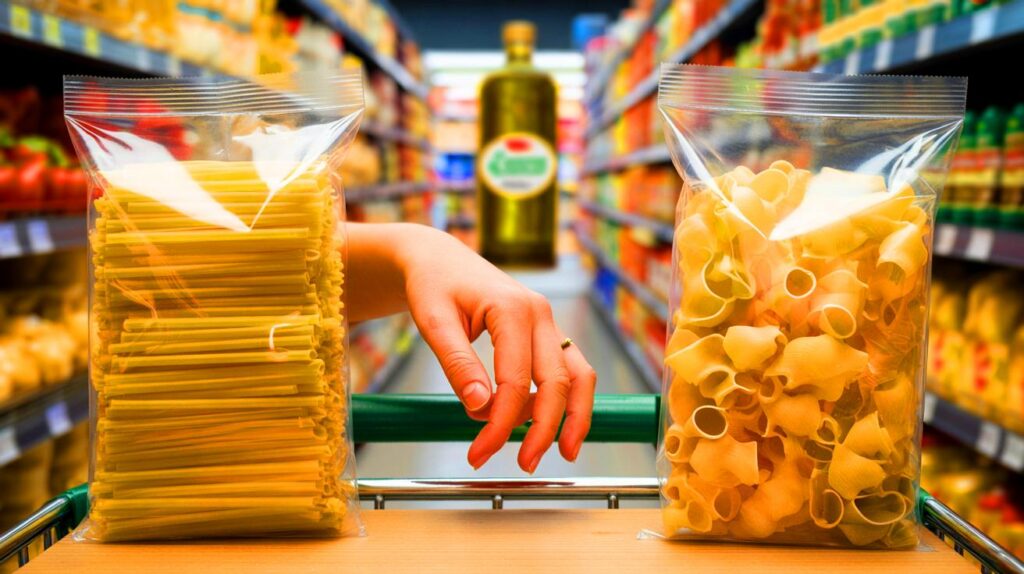
You grab pasta without thinking, like millions do. Yet a small detail on the shelf may change how your dinner turns out.
Packed aisles and quick choices mean shoppers often rely on colour and shine to judge pasta. In France, 80% of people reach for it regularly, so the signal sent by that yellow hue matters. The shade, the sheen and the feel reveal how it was made, and they can shape taste, texture and even your blood sugar response.
The supermarket shade that gives pasta away
Colour is the first clue. A very bright, glossy yellow often points to a rapid, high-heat drying process designed for speed. That treatment can harden the exterior and stress the interior, which may translate to more stickiness in the pan and a flatter flavour on the plate. A paler, ivory tone with a matte look typically indicates slower, lower-temperature drying, which tends to treat the wheat’s structure more gently.
Bright and glossy can signal fast drying; pale ivory and matte often suggest slower, gentler drying.
What a bright yellow often means
Fast drying aims to move product quickly from press to packet. The surface can look shiny and almost lacquered. During cooking, such pasta may shed more starch, cloud the water and soften unevenly. The result can be pieces that lose their bite within minutes.
How an ivory, matte look points to slow drying
Slower drying respects the protein network in durum wheat. Texture holds better, shapes keep their edges and the grain’s aroma survives the journey to your plate. You’ll notice fewer broken pieces and less gummy residue in the pan. The difference becomes obvious with ridged shapes and thicker cuts, which reward patience in production.
Texture that catches sauce
Why the surface feel matters
Run a finger across the pasta through the bag. A slightly rough, chalky feel often indicates extrusion through bronze dies. This old-school method leaves microscopic grooves that help sauces cling. A very smooth, glassy surface usually comes from Teflon dies, which prioritise speed and uniformity but give less grip.
Rough, sandy-to-the-touch pasta usually signals bronze-die shaping, which helps sauce hold rather than slide off.
Cooking and nutrition: getting the glycaemic impact right
Al dente timing changes the after-effects
Cooking pasta to firm bite keeps starch less fully gelatinised. That tends to lower the glycaemic punch compared with overcooked noodles that go soft and sticky. Drain as soon as the centre resists gently between teeth. Cooling leftovers and reheating can increase resistant starch, which behaves more like fibre for your gut.
Wholegrain and legume pastas raise fibre and protein
Wholewheat pasta brings the bran and germ, lifting fibre and micronutrients while keeping the familiar taste when sauced well. Legume-based options—chickpea, lentil or pea—combine carbohydrates with plant protein and plenty of fibre. They are handy for diners aiming to reduce meat at a meal without feeling short-changed. Pair any pasta with a generous pile of vegetables, some olive oil and a source of protein, and the dish becomes steadier on blood sugar and more filling for longer.
Not all yellow is a red flag
Egg pasta naturally looks richer and more golden, thanks to yolk. Some packs also list colourings such as turmeric or annatto, which brighten the dough without indicating drying speed. The ingredient list explains the shade. Another quiet indicator is protein per 100 g. A higher figure often reflects quality durum wheat, which supports firmer texture when cooked.
Check the label: egg or added colour can explain yellow tones; look for bronze-die and slow-drying mentions too.
Quick checklist for the aisle
- Favour an ivory, matte colour over a very bright, shiny yellow for everyday durum pasta.
- Seek a slightly rough surface; “bronze die” on the label is a good sign for sauce adhesion.
- Scan for “slow drying” or “low-temperature drying” wording, which hints at gentle processing.
- Check protein per 100 g; around the higher end for the category often means better bite.
- Plan to cook al dente and serve with vegetables and protein for a steadier glycaemic impact.
- For extra fibre, choose wholewheat or legume-based shapes; adjust sauce salt as these can be more savoury.
- If the yellow looks egg-rich, confirm it on the ingredient list rather than judging by colour alone.
What about zero‑calorie noodles
Konjac or shirataki noodles bring very few kilojoules and very little nutrition. They can create fullness in the short term, but they do not replace the energy and micronutrients that active adults need. Their springy texture divides opinion, and sauces may slip without extra thickening. Keep them for occasional use if you like the mouthfeel, and build the meal with protein, vegetables and healthy fats.
Price, labels and how to test at home
Smart buying on a budget
Slow-dried, bronze-die pasta often costs a little more. Use it where texture matters—simple tomato sauces, cacio e pepe, aglio e olio. Save cheaper, smoother pasta for hearty bakes where long oven time levels differences. Watch for supermarket ranges that quietly mention bronze dies at mid-tier prices.
Boil test and sauce cling check
Cook two brands side by side for their exact recommended times. Note the cloudiness of the water and how much foam builds. Taste each one immediately and again two minutes later. Pasta that keeps its shape and retains a fine roughness under sauce is the keeper. A simple olive oil and pepper toss will show you which one grips and which one slides.
Portions that fit real lives
Portion size changes the whole picture. A typical dry serving ranges from 60 g to 85 g per person, depending on activity and what else is on the plate. Active teenagers and heavy training days call for more. Desk days and smaller appetites may need less. Using a scale for a week helps calibrate your eye and stops the pot from getting away with you.
For the best weeknight results, salt the water well, keep a cup of starchy water for emulsifying sauces, and finish the last minute of cooking in the pan with the sauce. That technique helps even basic pasta behave like a pricier brand. If you try one upgrade this month, pick a bronze-die, ivory-toned pack and cook it to a firm bite. The change you taste is the story told by colour and texture the moment you reached for the shelf.



Learned more about pasta in five minutes than in five years. The ivory/matte clue and the bronze-die tip are game‑changers. Also didn’t realise al dente plus cooling leftovers could lower the glycaemic hit—definately trying that for lunches. I’ll stop judging by shine alone and start checking protein per 100 g. Thanks for making the aisle a bit less random.