
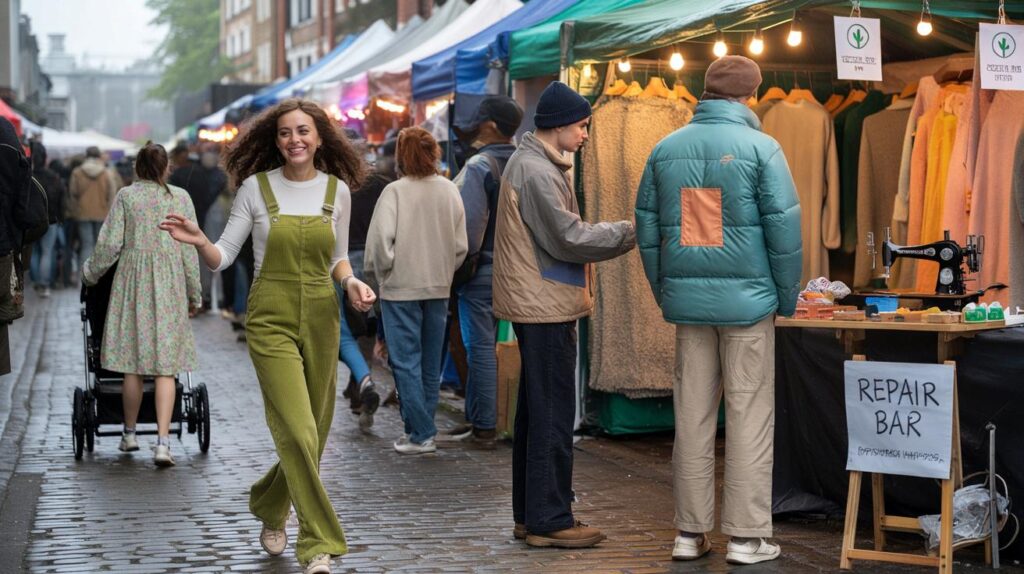
The high street is waking up. Shoppers want clothes that don’t cost the earth in every sense, and UK-born labels are stepping up with style that feels modern, looks sharp, and doesn’t wreck your budget. Between green claims and real change, the difference is in the stitching, the price tag, and what happens after the first wash.
On a drizzly Saturday in East London, I watched a queue curl around a pop-up where a rack of lime-green corduroy dungarees was going, fast. The crowd wasn’t the usual “worthy” bunch. They were cool kids, mums with prams, a bloke in a beanie comparing seams like he was shopping for a bike. A woman tried on a jumpsuit, twirled, then checked the label the way you double-check a receipt. Made ethically. Organic cotton. Fair wages listed in plain English. She nodded. It was the nod of someone who’d found the sweet spot between conscience and wardrobe joy.
We’ve all had that moment when clothes start to feel like a vote rather than a fling.
UK-born labels proving ethics can be stylish — and not silly money
Across Britain, **homegrown** brands are making sustainable fashion look like… fashion. No beige guilt, no itchy hemp sacks. Lucy & Yak turned comfy dungarees into a cult uniform, built on organic cotton and open wage transparency. Thought keeps it considered with hemp and organic knits that layer beautifully when the weather can’t make up its mind. In Cornwall, Finisterre designs sea-battered outerwear and repairs it when the elements win. These are pieces that smarten a weekday, soften a Sunday, and don’t shout “eco” from across the room.
Take Rapanui, born on the Isle of Wight. Their tees are made to order using renewable energy, then remade when worn out via a circular system that pays you to send them back. Nobody’s Child has slipped into the mainstream with dresses in Lenzing Ecovero and organic blends, often under the £100 mark, and even popping up at M&S. People Tree, a pioneer since the 90s, still proves Fairtrade and flattering can sit on the same hanger. When a trend hits, these labels don’t copy; they translate it into fabrics and fits that last more than a season.
The logic is compelling. Most estimates put fashion’s share of global emissions in the high single digits, and WRAP suggests extending a garment’s life by nine months can shave its footprint by up to a third. That’s not theory; it’s wear and tear. Brands like BAM (bamboo-based activewear with full footprint reporting) and Birdsong (made in London by women paid the Living Wage) show what accountability looks like when it’s stitched into every seam. Style that sticks around is the opposite of throwaway. It’s the everyday uniform you actually reach for.
How to shop smarter — and spend less over time
Start with cost-per-wear. It’s simple maths that changes everything. A £68 pair of Lucy & Yak trousers worn twice a week for a year works out at pennies per outing, while a £20 impulse top that falls apart after three spins is secretly expensive. Filter by fabric when you browse: GOTS organic cotton, Tencel Lyocell, recycled wool. Look for take-back schemes like Rapanui’s remanufacture or Finisterre’s Lived & Loved repairs. Choose colours you actually wear on a rainy Tuesday, not just the weekend you imagined on Instagram.
Let’s be honest: nobody does that every day. So build habits that are easy. Save three brands you trust and check their “Last Chance” or outlet pages first. Sign up for sample sale alerts. If you’re thinking activewear, TALA has recycled sets that fit like a hug, minus the scary price. Dresses for work or weddings? Nobody’s Child often sits in that sweet £49–£89 band with lined midis that don’t feel flimsy. When in doubt, read the return policy and the care label. Low heat, gentle wash, *no faff*.
Greenwashing trips us all up. Glossy words mean little without receipts. Look for third-party markers: Fairtrade, GOTS, OEKO-TEX, or B Corp (Finisterre and Baukjen carry that badge). If a brand is vague about factories, scroll on. If they publish living wage progress, audits, and fibre breakdowns, you’re onto something.
“Ethics you can feel are the ones you wear often, not once.”
- Check fabric first, not trend.
- Scan for repair or take-back schemes.
- Count cost-per-wear, not cost-per-like.
- Favour cuts you already love on you.
- Choose **genuinely affordable** staples, then add one standout.
Brands to know — and how they’re changing the script
Lucy & Yak: from a Brighton shop to a rainbow of dungarees, with open wage statements and a factory partnership they actually name. Thought: quiet, thoughtful staples and socks you’ll hoard. Finisterre: hardcore coastal gear you can mend, with wetsuit take-back and a repair service that keeps jackets out of landfill. Rapanui: circular tees with QR codes, printed on demand, designed to come back again. People Tree: handwoven stories from the artisans who make them, now with modern silhouettes that ease into a city wardrobe.
Nobody’s Child: the high-street disruptor, bringing Lenzing Ecovero and recycled blends to price points that feel humane. TALA: performance leggings that don’t cost three commutes, built with recycled polyamide and smart fits. BAM: bamboo-based layers with full life-cycle mapping you can actually read. Birdsong: made in London by makers often excluded from the industry, paid fairly, designed with wit. These aren’t museum pieces. They’re commute-proof, sofa-friendly, pub-ready clothes that enjoy real life.
Here’s the trick: pick a lane and stay in it. If you love denim, build a rotation and wash cold. If you live in dresses, choose midis with lined skirts and pockets you’ll use. If you’re outdoorsy, invest once in a weatherproof shell, then keep it going with repairs. The most ethical wardrobe is the one you wear hard and care for tenderly. Three words to tape to the mirror: **wear more, buy less**.
A wider lens: fashion that feels like a future we’d actually wear
This isn’t about perfection. It’s about momentum you can feel, from a Cornish coast battered by storms to a factory in India paying more than the bare minimum because a UK brand stood its ground. When a dress from Nobody’s Child carries you through five events, or a Finisterre jacket sees another winter thanks to a patch the colour of sea-glass, ethics stop being a homework assignment and become habit.
The UK’s role is scrappy, inventive, occasionally cheeky. We make things work with smaller teams, transparent notes, and fabrics that move with our weather and our wallets. Trends will churn. Budgets will wobble. The labels named here won’t fix fashion on their own, yet they draw a map that others can follow without losing the thrill of getting dressed. Maybe that’s the point. Not to dress like a saint. To dress like yourself, with a little more care and a lot more joy.
| Point clé | Détail | Intérêt pour le lecteur |
|---|---|---|
| UK-born brands to watch | Lucy & Yak, People Tree, Thought, Finisterre, Rapanui, Nobody’s Child, TALA, BAM, Birdsong | Concrete names to shop without hours of research |
| Smart buying method | Cost-per-wear maths, fabric-first filters, repair/take-back schemes | Spend less long-term while upgrading quality |
| Red flags vs. green lights | Vague sustainability pages vs. certifications, living-wage progress, factory transparency | Avoid greenwashing and back brands doing the work |
FAQ :
- Are ethical clothes always pricier?Not always. UK labels like Nobody’s Child, Rapanui, and Thought sit in mid-range prices, with outlet pages and long-lasting cuts that beat fast fashion on cost-per-wear.
- What certifications should I look for?GOTS for organic fibres, Fairtrade for supply chain standards, OEKO-TEX for chemical safety, and B Corp for broader impact across a business.
- Which fabrics are a safer bet?Organic cotton, linen, Tencel Lyocell, recycled wool; recycled synthetics for activewear, ideally paired with a microfibre filter bag in the wash.
- How do I avoid greenwashing fast?Scan for factory locations, wage info, and repair/take-back options. If details are missing, it’s usually not an accident.
- One habit that helps immediately?Pause 24 hours before buying. If you still want it and can picture five outfits, it’s likely a keeper.



Brilliant roundup—finally a guide that doesn’t equate “ethical” with beige sacks. I’ve had my Finisterre shell repaired once and it’s still going; cost-per-wear really does add up. Any chance you’ll add denim recs (Hiut, MUD) in a follow-up? Definately needed.