
A flash of red in shrubs lifts grey days, yet many gardens quietly shut the door on small visitors.
Across the UK, families are seeing robins at close quarters again, often perched on a spade or hopping under hedges. These garden regulars now face shrinking habitats, fewer insects and stealthy predators. Simple changes at home can tip the balance, turning a fleeting glimpse into a reliable, year‑round presence.
Why families are being asked to act
Robins have adapted well to life alongside people, yet they still need safe space, steady food and clean water. Dense housing, tidier borders and warmer winters change what they can find and when they can find it. Fewer beetles and caterpillars mean fewer calories. Unguarded feeders give cats an advantage. Poor hygiene spreads disease at speed.
Charities that track garden birds say small, consistent steps make the biggest difference. The goal is not a show garden but a working patch: cover to hide in, clear lines of sight, and feeding points that do not become traps.
Move feeders about two metres from dense cover, face nesting sites away from harsh weather, and keep everything clean. Those three habits decide whether a robin returns.
The 7 fixes that make your garden robin‑ready
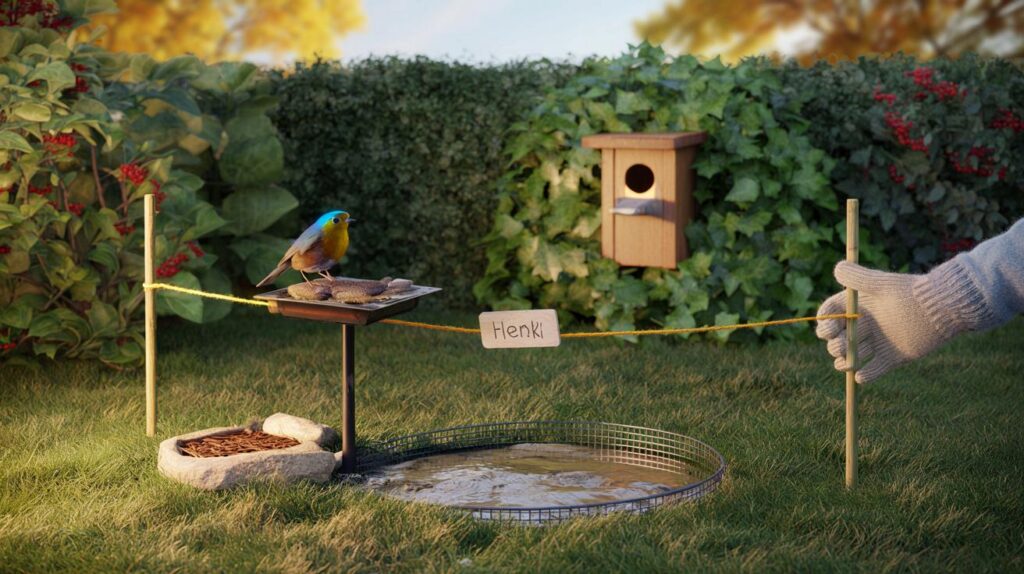
- Shift feeders about 2 metres from thick shrubs so cats cannot spring an ambush, while escape cover remains nearby.
- Install an open‑fronted nest box for robins, set 1.5–2 metres high within ivy or a shrub, facing between north and east.
- Serve the right food: mealworms (live or soaked), sunflower hearts and soft suet blends; avoid salty scraps and mouldy food.
- Offer water daily in a shallow dish 2–5 cm deep, with a rough stone for grip; refresh often and break ice without chemicals.
- Fit cats with quick‑release collars and bells, and keep them indoors at dawn and dusk during nesting season.
- Clean feeders weekly and boxes in autumn after use, using hot water or a mild disinfectant; dry thoroughly.
- Grow cover and insect‑rich plants such as hawthorn, holly, ivy, honeysuckle and rosemary; leave a small wild patch for worms.
Feeder placement that beats cat ambushes
Robins like to feed near cover but need a clear view to spot danger. Place hanging feeders or trays in open ground roughly two metres from dense hedging. That gap removes the advantage of a sprinting cat, yet birds can still dash back into safety. A baffle on a pole blocks climbing. Keep spillages under control to deter rats by using trays and sweeping up uneaten food before nightfall.
Ground feeding brings robins in quickly, especially for mealworms. If cats visit, keep ground trays inside a low, wire‑mesh guard that allows small birds through while slowing larger intruders. Rotate positions every few weeks so pathogens do not build up in soil.
Nest boxes that robins actually use
Robins prefer open‑fronted boxes tucked into vegetation rather than the round‑hole style favoured by tits. Fix the box at about shoulder height in a quiet corner, sheltered from direct sun and prevailing rain. An aspect somewhere between north and east usually avoids overheating and driving rain. Do not place boxes near busy feeders, doors or bright security lights.
Clean boxes in autumn when you are confident the site stands empty. Remove old material, scrub with boiling water, and let it dry. Wear gloves, and keep children and pets away during cleaning. Never open or move an active nest: all wild birds and their nests are protected by law.
Face open‑fronted boxes between north and east and set them within foliage. Clean only after the breeding season, and only when clearly not in use.
Food and water: what to offer, what to avoid
Robins hunt invertebrates for most of the year and switch to seeds and fruit when insects are scarce. They take small, soft items easily. Sunflower hearts and soaked sultanas work, as do chopped peanuts in winter. Live or rehydrated mealworms provide protein for adults and chicks.
Avoid dry whole peanuts for fledglings, string net bags that can trap feet, and salty or mouldy food. In warm spells, reduce fat balls, which can smear plumage. In freezing weather, replenish water twice daily. Use warm tap water to thaw ice, not salt or antifreeze. A bird bath with a rough surface helps grip; a sloping edge lets small birds step in and out safely.
| Measure | Why it matters | Target |
|---|---|---|
| Feeder distance from dense cover | Reduces cat ambush risk while keeping escape cover | About 2 metres |
| Nest box aspect | Avoids strongest sun and wettest winds | Between north and east |
| Box height for robins | Matches their preference for low, hidden sites | 1.5–2 metres |
| Cleaning routine | Prevents disease build‑up | Feeders weekly; boxes in autumn |
Cats, disease and safety
Where cats roam, prevention works better than blame. Bells on quick‑release collars can cut successful hunts. Bright collar covers make birds notice a stalk earlier. Keeping cats indoors at dawn and dusk during peak nesting weeks helps fledglings. A microchip‑controlled flap reduces night‑time roaming.
Hygiene protects the birds you attract. Rinse feeders, trays and baths often, scrub weekly, and dry before refilling. Rotate feeding spots. If you see sick birds—fluffed up, drooling, or struggling to swallow—take feeders down for a fortnight while you clean gear and the ground beneath. Wash hands after handling equipment.
What to do if you find a fledgling
Young robins often leave the nest before they can fly well and spend a day or two on the ground while parents feed them. This is normal. Keep pets indoors, give the bird space, and watch from a distance. If a juvenile is cold, injured or in immediate danger, contact a licensed rehabilitator. For transport, place the bird in a ventilated cardboard box lined with paper towel. Do not offer milk or bread.
Make it a family project
Turn the change into a weekend plan. Children can measure the two‑metre gap, top up a shallow bath, and note which foods vanish fastest. Try a simple timber box together and let ivy or honeysuckle grow around it. A small compost heap attracts worms that robins relish. Keep a notebook of first songs, first fledglings and where they forage. Over time, you will see patterns—and spot problems early.
Numbers help set expectations. Britain holds millions of robin territories, yet survival depends on winter food, spring insects and safe nesting. By spacing feeders, aiming boxes away from harsh weather and keeping kit clean, households give these birds a fair chance. If space allows, stagger several small feeding stations rather than one busy hub to reduce stress among territorial robins.
For deeper impact, add plants that fruit or flower at different times and leave a corner undisturbed through winter. A single water source with gentle slopes serves many species, not just robins. Small steps, repeated weekly, turn a brief visit into a regular call—red breast, bright eye, and that winter song right by your back door.



Brilliant guide! We shifted our feeder about 2 metres from the ivy and the robin was back within a day. This definitley helped. The cat bell tip really worked—zero ambushes this week. Quick Q: if I rotate ground trays every few weeks, should I also rake the soil or pour boiling water to reduce pathogens, or is a dry spell enough?