
A bowl of beige pasta. A child scanning the plate like a hawk. Parents trading glances that say: will tonight be the night? Picky eating can make the loveliest kitchens tense, loud, and oddly quiet at the same time. The good news: tiny, playful recipe twists can turn stalemate into smiles, without cooking five different meals.
The house smelt of garlic and warm tomatoes, and yet my son eyed the sauce as if it were lava. His sister was busy negotiating over a single pea. The dog waited hopefully under the table, like a furry mediator.
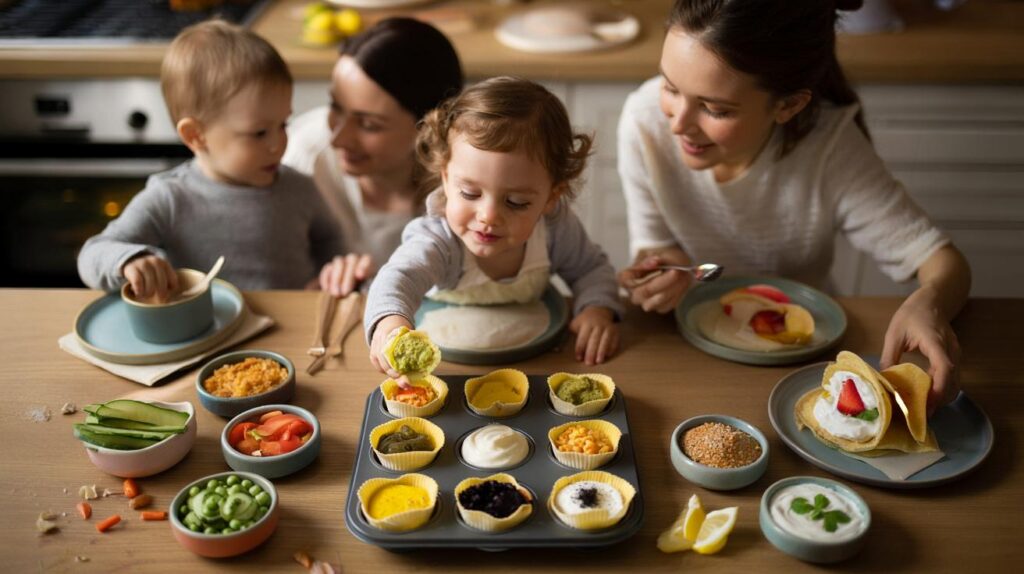
I slid over a little “taster tray” — a muffin tin with six small flavours: plain pasta, a dot of pesto, a teaspoon of yoghurt, grated cheese, chopped olives, sweetcorn. No pressure. He built his own bites, dipping like a scientist. The room softened.
He didn’t eat everything, but he ate something new with a grin and a joke. The name carried more weight than the broccoli itself. A silly label won the night.
Why picky eating isn’t the enemy of a good meal
Kids are wired for caution, especially around new textures and colours. They crave predictability, which is awkward when dinner changes daily. When meals feel like tests, little bodies tense up.
Dinner is not a battleground. It’s a place for repetition, choice, and low-stakes tries. Small freedoms — a dip, a sprinkle, a shape — give back control without turning you into a short-order chef.
We’ve all had that moment when a tiny fork hovers over a green thing like it’s a spaceship. That hesitation is normal, not naughty. Many children pass through a picky phase; exposure, not pressure, is the edge. This is not about trickery; it’s about invitation.
Recipe twists that turn noes into yeses
Rename and reframe. Call broccoli “little trees for forest explorers,” peas “green marbles,” carrots “sun sticks.” Let your child help invent the names and you’ll see their eyes change. A new label is a fresh path in the brain.
Build “you choose” plates. Offer one base plus three small add-ons: rice with pea pesto, lemon, and yoghurt; wraps with beans, grated cheese, and cucumber ribbons. Keep portions tiny and playful, like confetti. Let kids assemble, and tea becomes arts-and-crafts with snacks.
Names matter more than we think. When food feels like a game, curiosity wins. Try “pancake tacos” filled with fruit and a smear of yoghurt, “pizza waffles” topped with passata and torn mozzarella, or “noodle nests” with crunchy veg on the side. Let there be dips. Let there be skewers.
Make it stick: routines that calm the table
Use a simple rhythm. One safe food at every meal. A 20–30 minute window, then wrap. Serve family-style when you can: bowls in the middle, tongs passed around. The job of the grown-up is to choose what, when, and where; the child’s job is whether and how much.
Keep pre-meal snacks at bay for an hour so appetite can do its work. Put a folded tea towel under the plate for sensory seekers who like pressure. And put on a song, not a lecture. Let’s be honest: nobody really does that every day.
Small wins at 6 p.m. start at 3 p.m. Prep a “colour bar” of tiny toppings during a quiet moment: chopped herbs, toasted seeds, grated carrot, crushed crisps for crunch. Offer two decent dips: hummus and yoghurt-based ranch. One spoonful of choice changes the whole mood.
“You offer; they decide. That’s the pact.”
- Rainbow pancake tacos: mini pancakes folded with strawberry slices and vanilla yoghurt.
- Naan nachos: baked naan shards with a tray of beans, grated cheese, and cucumber.
- Veg confetti rice: plain rice plus bowls of peas, sweetcorn, spring onion, and toasted sesame.
- Freezer smoothie lollies: banana, spinach, yoghurt; blend and freeze in moulds.
- Pasta paint palette: plain pasta with dots of pesto, passata, and olive oil lemon drip.
What harmony tastes like
Harmony doesn’t mean everyone eats the same portion of roasted courgette. It means dinner has a gentler hum. You plate one base, offer a couple of fun twists, and let curiosity do the heavy lifting.
Some nights your “forest trees” will come home untouched. Other nights, the dip bar will vanish like a magic trick. Keep the ritual, not the results. Keep the play, not the pressure. Stories, names, and tiny choices grow brave eaters slowly, like herbs on a windowsill.
Ask for their help naming tomorrow’s dish. Save a handful of plain pasta for the cautious one and the rest for the sauce lovers. Share the wins with a friend and borrow theirs when your well runs low. The table remembers the laughter longer than the menu.
| Point clé | Détail | Intérêt pour le lecteur |
|---|---|---|
| Reframe with playful names | “Forest trees,” “treasure rice,” “lightning noodles” | Reduces fear and sparks curiosity fast |
| Cook once, customise at the table | One base + 2–3 toppings, dips, or textures | Less stress for you, more control for them |
| Keep a calm, repeatable ritual | Time limit, one safe food, family-style serving | Steadier mood, fewer standoffs, better appetite |
FAQ :
- How do I stop dinner becoming a standoff?Offer one base, two small choices, and a time limit. Keep your calm voice. When the timer ends, clear without drama and try again tomorrow.
- What if my child refuses vegetables full stop?Place tiny veg on the table anyway, no pressure. Pair with favourite carbs and a dependable dip. Exposure without battles builds trust.
- Is hiding vegetables okay?Blending is fine if you also offer visible veg. Sneak and show. Kids need to learn what veg looks, smells, and crunches like.
- How big should portions be?Start small, like a tablespoon. Let children ask for more. Little bodies self-regulate better when the first ask is tiny.
- What if school lunches are beige?Balance at home, not perfection. Add colour at breakfast or tea: fruit, yoghurt, veg sticks, smoothies. The week matters more than the day.



Tried the muffin-tin taster tray tonight—total game‑changer. My 5‑year‑old built “pasta paint” bites with yoghurt, pesto, and cheese, then actually crunched a broccoli “tree” while giggling. The house vibe went from tense to chatty in minutes. “You offer; they decide” gave me a script to stop nagging, which I definitley needed. I also prepped a little color bar at 3 p.m. like you suggested; having toppings ready made dinner feel like arts-and-crafts, not tests. More low-effort, playful recipies like this, please!