
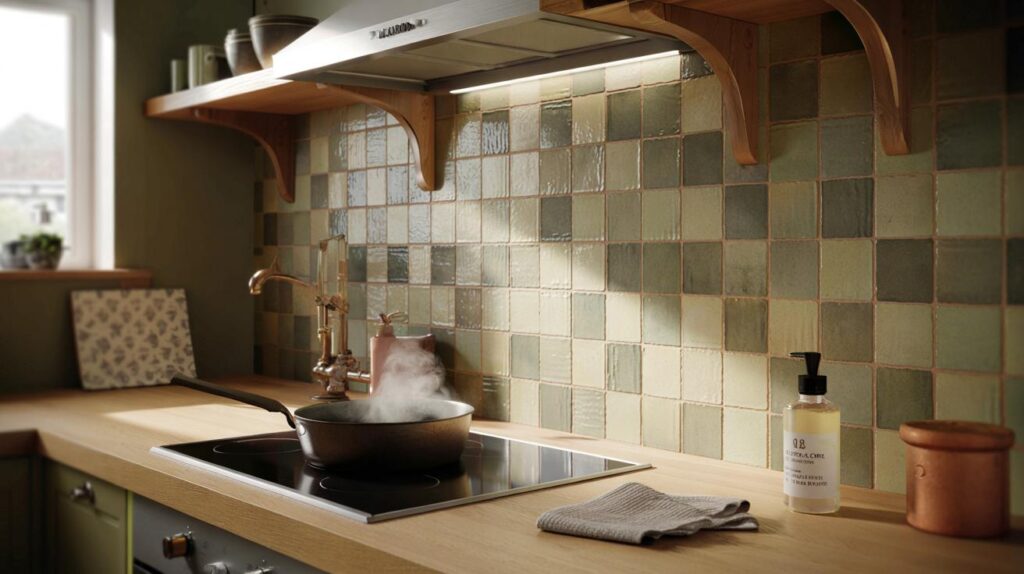
Autumn kitchens are changing gear, and mood boards tell a different story to last year’s glossy catalogues and showrooms.
Homeowners across Britain are falling out of love with pretend textures and picture-perfect veining. The shift points toward warmer tactility, practical care and surfaces that wear their story with pride. A humble material from potteries is suddenly centre stage.
Why imitation fatigue has set in
Stone-look panels spread fast because they promised glamour without the bill. The trick soon felt familiar. Repeated prints, too-smooth edges and identical panels broke the illusion. The kitchen, used daily and seen up close, does not forgive fakery for long.
Post-pandemic habits add pressure. People cook more often, wipe down more often and notice finishes under bright LED strips. Texture that traps grease starts to irritate. Households want surfaces that feel real to the touch and look honest from every angle.
After a decade of copycat finishes, a lived-in kitchen now asks for authenticity, warmth and straightforward upkeep.
The material making noise in 2026
Designers, tilers and DIYers are turning to raw ceramic for splashbacks, side walls and even worktop rises. By “raw”, they mean visible grain, gentle variation and trims kept simple rather than hidden behind plastic edging. The appeal is direct: tactile charm, robust performance and timeless colour.
Glazed ceramic gives a smooth wipe-down surface with a soft sheen. Unglazed variants, such as quarry or terracotta, bring depth and a chalky touch. Both sit comfortably beside oak, ash, stainless steel and painted cabinetry. Subtle irregularities stop kitchens feeling like showrooms and help new installations blend with older homes.
In 2026, the conversation moves from copying marble to celebrating clay: tiles that show their kiln-born character and earn a patina.
How raw ceramic performs in real life
- Heat tolerance: ceramic shrugs off steam and hob heat when fitted with the right backer and gap from burners.
- Cleaning: glazed faces wipe clean with mild soap; satin glazes hide splashes better than high gloss under strip lighting.
- Stains: choose glazed tiles or seal unglazed ones; epoxy grout resists turmeric, beetroot and oil.
- Durability: chips are rare on walls; in the few cases they occur, a single tile swap fixes the mark.
- Hygiene: non-porous glaze and tight grout lines discourage mould when ventilation is sound.
Style playbook: from small flats to family hubs
You do not need a full refit to steer the room toward ceramic. Small, targeted moves carry big visual weight and stay friendly to budgets.
- Tile only the hot zone behind the hob and keep the rest limewashed for soft contrast.
- Use 100 × 100 mm handmade-look squares to add rhythm in a compact galley without crowding it.
- Set a single shelf on discreet brackets and tile to its underside to form a neat utility ledge.
- Mix two related shades across the splashback—olive and sage, sand and cream—to avoid a flat block of colour.
- Raid reclamation yards or clearance bins for end-of-line tiles; a patchwork can look curated rather than cobbled.
Colour moves that warm a winter kitchen
Earth pigments read calm under low daylight. Terracotta, ochre, wheat and tobacco pair well with walnut and bronze taps. For cooler schemes, try celadon, smoke blue or chalk while keeping grout warm to ground the wall. A 2 mm spacer with almond or light taupe grout adds craft without shouting.
Costs, care and lifespan at a glance
| Option | Typical material cost (per m²) | Heat resistance | Cleaning | Look over time | Install difficulty |
|---|---|---|---|---|---|
| Stone‑effect laminate/vinyl panel | £45–£110 | Moderate; can warp near high heat | Embossed textures trap grease | Pattern repeat shows; edges age | Low; cut and stick |
| Raw ceramic tiles (glazed) | £25–£80 | High when fitted properly | Wipes clean; grout needs care | Soft variation improves with time | Medium; cut, set, grout |
| Raw ceramic tiles (unglazed/terracotta) | £30–£90 | High; seal and reseal as needed | Needs sealer; easy day‑to‑day | Patina deepens; charming wear | Medium; adds sealing steps |
| Natural stone slab | £120–£400 | Very high | Depends on stone and sealer | Can etch or stain; dramatic | High; template and fabricate |
A realistic budget check: a 3 m² splashback in glazed ceramic at £35 per m² totals about £105 in tiles, plus adhesive, grout and trims at £40–£80. Compare this with a £140 per m² stone‑effect panel: £420 in panels for the same area. On materials alone, ceramic can save roughly £315–£375 before labour. Fitters price by day or by metre; ask for a written scope covering substrate prep, corner finishing and silicone lines.
For many households, the numbers stack up: less upfront spend than faux stone panels, and a surface that looks better with age.
Installation notes and pitfalls to avoid
- Substrate matters: prime paint and skim rough plaster; cement backerboard near hobs is a safe bet.
- Plan sightlines: start your layout from the worktop centre or the cooker hood line to balance cuts.
- Mind the gap: leave a 2–3 mm shadow joint above the worktop and seal with sanitary silicone.
- Pick the right grout: epoxy near heavy splashes; cementitious with polymer for standard zones.
- Finish edges cleanly: use a porcelain trim or a neat tile return rather than plastic caps.
Performance in busy homes
Parents value fast wipe‑downs after weeknight cooking. Smooth, satin glazes reduce drag on cloths and clear oil in one pass. Textured faux stone often needs a brush and a second product. Over a month of daily dinners, that difference can reclaim several hours. In heavy‑use kitchens, ceramic also avoids the scuffed corners and lifting seams that plague stick‑on panels.
Safety sits high on the list. Ceramic behind hobs cuts the risk of heat damage. Keep the minimum distance from gas burners recommended by your tile supplier, and use a heat‑rated silicone at the edges.
Sustainability and health angles
Many UK and EU factories fire tiles with recycled clay content and publish low‑VOC data for glazes and adhesives. Local sourcing trims transport miles versus imported stone. Damaged tiles can be replaced one by one instead of binning a whole panel. Offcuts suit coaster sets, shelves and utility splash zones, reducing waste.
Looking ahead: what to specify right now
For a classic look, try 100 × 200 mm bevel‑free rectangles in a gentle off‑white with almond grout. For a punchy update, reach for stacked 50 × 150 mm bars in sage or petrol blue. Large‑format porcelain slabs work when you want minimal joints behind a rangecooker, though they need pro handling.
If you rent, mount a removable tile board: thin cement sheet, primed, tiled and screwed to studs with visible caps. It protects the party wall and comes with you when you move, while the screw holes are easy to fill.
Extra pointers you can use this weekend
Run a quick simulation of cost and time. Measure your splash zone in metres, multiply width by height to find m², add 10% for cuts. Price two tile options and one panel option, include trim and a tube of colour‑matched silicone. Note the cleaning kit you already use; with glazed ceramic, a mild detergent and a microfibre cloth usually replace specialist sprays. If you cook curry or fry often, upgrade to epoxy grout in the first metre above the hob for stain resistance.
Risk check: avoid tiling onto flaky paint or fresh plaster that has not cured. Watch for sockets sitting too proud after tiling; ask an electrician to refit longer screws and spacers. Aim task lighting at the wall before fixing tiles so raking light does not exaggerate lippage. These small steps keep the finish calm and the maintenance simple through 2026 and beyond.



I ditched my faux-stone splashback last year; satin-glazed ceramic is so much easier to wipe. The repeated print was driving me mad. Epoxy grout near the hob = no turmeric ghosting. Wish I’d read this before buying the stick‑on panel.
Quick calc check: does that “save £320 and 3 hours a month” figure include adhesive, notched trowel, spacers, tile saw hire and silicone, or just tile vs panel cost? Labour swings it a lot where I live.